>>
Technology>>
Smart home technologies>>
Smart Homes and Safety Risks: ...Smart Homes and Safety Risks: Can Technology Be Used in Domestic Violence Cases in Florida?
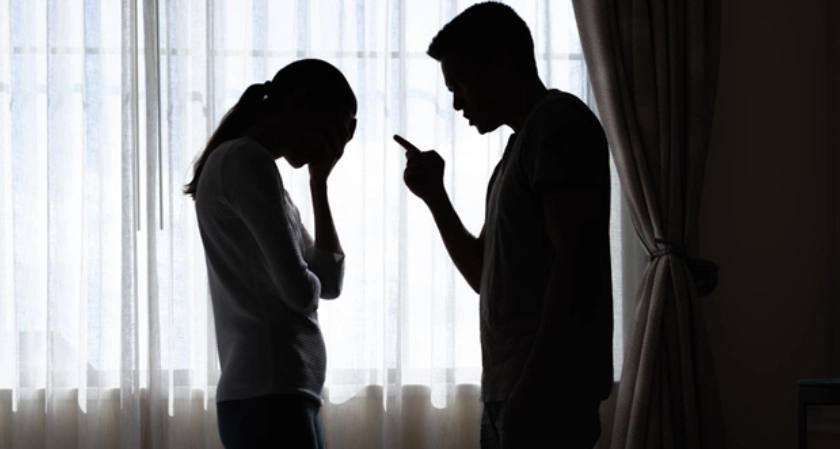
Smart home technology has transformed how Americans interact with their living spaces. From voice-activated assistants to automated thermostats and remotely controlled security cameras, Internet of Things (IoT) devices offer unprecedented convenience and connectivity. However, this same technology that promises to simplify our lives has created an unexpected vulnerability: a new avenue for abuse and coercive control in domestic relationships.
According to the CDC's National Intimate Partner and Sexual Violence Survey, technology-facilitated abuse affects a significant portion of domestic violence survivors. As smart home devices become more prevalent in American households, understanding how this technology can be misused and how the legal system responds has become increasingly critical.
How Smart Home Devices Enable Surveillance and Control
Smart home technology operates through interconnected devices that communicate via shared networks and apps. While this connectivity creates efficiency, it also creates potential for unauthorized access and manipulation. Abusers can exploit these systems in several ways.
Remote access features allow someone with login credentials to control devices from any location. Thermostats can be adjusted to uncomfortable temperatures, smart locks can prevent entry or exit, and lighting systems can be manipulated to create psychological distress. Voice-activated assistants and security cameras designed for home protection can instead become surveillance tools, monitoring conversations and tracking movements within the home.
The challenge for victims lies in the subtlety of this abuse. Unlike physical violence that leaves visible evidence, technology-facilitated control can be nearly invisible to outsiders. A thermostat that constantly changes temperature might seem like a technical malfunction. A smart lock that fails to work could appear to be a connectivity issue. This ambiguity makes it difficult for victims to prove abuse and for others to recognize the pattern of control.
Understanding Florida's Legal Framework
Florida law has evolved to address technology's role in domestic violence cases. Under Florida Statutes Section 784.048, cyberstalking is defined as engaging in a course of conduct to communicate words, images, or language through electronic communication and directed at a specific person, causing substantial emotional distress.
The statute recognizes that harm does not require physical presence or traditional stalking methods. Electronic harassment, surveillance, and control through technology fall within the scope of behaviors that Florida courts can address through injunctions and criminal charges.
Florida's domestic violence laws also encompass a broad range of abusive behaviors beyond physical assault. Courts can consider patterns of coercive control, including the misuse of technology, when evaluating petitions for domestic violence injunctions. This holistic approach acknowledges that abuse manifests in multiple forms, and technology has become an increasingly common tool for maintaining power and control over intimate partners.
Evidence Challenges in Technology-Based Abuse Cases
Proving technology-facilitated abuse presents unique evidentiary challenges. Unlike physical injuries documented through medical records, digital abuse requires different forms of documentation. Screenshots of threatening messages, activity logs from smart home apps, and patterns of unauthorized device access become critical evidence.
However, gathering this evidence can be complicated. Shared accounts and devices in households blur the lines of authorized access. An abuser might argue they have legitimate reasons to access shared home systems. Additionally, victims may lack the technical knowledge to document digital abuse effectively or may fear that attempting to gather evidence will escalate the situation.
Florida courts have increasingly recognized these challenges. Judges may accept testimony about patterns of technological interference alongside traditional evidence. Witnesses can explain how smart home systems work and how they can be manipulated. Cell phone records, IP address logs, and account activity histories can corroborate victims' accounts of technological harassment and surveillance.
Protective Measures and Legal Remedies
When technology becomes a tool of abuse, Florida law provides several protective mechanisms. Domestic violence injunctions can include specific provisions addressing technological harassment. Courts can order abusers to relinquish access to shared accounts, prohibit the use of tracking or surveillance technology, and mandate password changes for shared systems.
Criminal charges for cyberstalking, stalking, and harassment can proceed independently of or alongside injunction proceedings. Violations of injunctions carry serious consequences, including criminal penalties. If an abuser continues to access smart home systems or use technology for surveillance after a court order prohibits such behavior, they face potential jail time and additional charges.
Beyond legal remedies, safety planning for technology abuse requires specific strategies. Victims working with advocates often need to secure new devices, create new accounts with unique passwords, and implement multi-factor authentication. In some cases, completely disconnecting from smart home systems becomes necessary for safety, even though it means sacrificing the convenience these systems provide.
Digital Safety in the Connected Home Era
The intersection of technology and domestic violence requires both legal and practical responses. Florida domestic assault defense lawyer increasingly encounters cases where smart home devices play a central role in patterns of abuse. These cases require understanding both the technology involved and the legal frameworks available to address its misuse.
For those experiencing technology-facilitated abuse, several steps can help establish safety. Documenting every instance of suspicious device behavior, changing passwords on all accounts, enabling two-factor authentication, and consulting with professionals who understand both the technological and legal dimensions of the situation are all important measures.
Technology companies have begun addressing these concerns by implementing features like activity logs, multi-user permissions, and easier account separation processes. However, the rapid pace of technological advancement means that legal protections and safety measures must continually evolve.
Moving Forward with Technology and Safety
As smart home technology becomes more sophisticated and widespread, the potential for both beneficial use and harmful misuse will continue to grow. Florida's legal system has taken important steps to recognize technology-facilitated abuse as a serious form of domestic violence, but challenges remain in detection, documentation, and prevention.
The convergence of technology and domestic violence represents a complex challenge requiring collaboration between legal professionals, technology companies, advocacy organizations, and policymakers. Understanding how everyday devices can become tools of coercion is the first step toward creating effective protections for those at risk.
For anyone experiencing technology-facilitated abuse in Florida, knowing that legal protections exist and that courts recognize this form of harm can be empowering. The law continues to adapt to technological realities, and resources are available for those navigating the intersection of digital connectivity and personal safety.