>>
Technology>>
Data analytics>>
What Does It Take to Run a Suc...What Does It Take to Run a Successful Data Center?
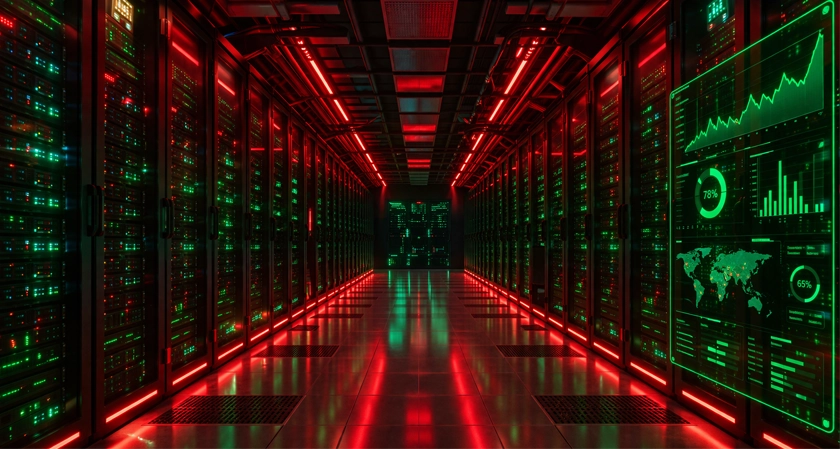
The digital world often feels like it exists purely in the clouds. We talk about data as if it’s weightless and invisible. But the reality is much more grounded than that. Honestly, behind every video stream and every saved file is a physical building filled with humming machines. Running a successful data center is an immense challenge. It requires a perfect balance of engineering and strategy. It’s not just about having the fastest hardware. It’s about building a resilient, efficient ecosystem.
But what happens when that balance shifts?
I guess we don't think about the physical weight of the internet until we're standing in a room that vibrates with the power of a thousand servers.
The Foundation of Physical Infrastructure
A data center starts with its physical shell. The location matters more than most people realize. You’ve got to consider things like the local climate and how close you are to the power grids. A successful facility needs a layout that really promotes airflow. Hot and cold aisle containment is a standard practice for a reason. By separating the cooling air from the exhaust air, you’re saving a massive amount of money.
Power is the lifeblood of the whole operation. You can’t have a single point of failure here. This means having redundant power feeds from the utility company. It also means having massive battery backups and diesel generators on standby. If the lights go out for even a second, the consequences are disastrous.
And that’s the point. Reliability is the only currency that matters in this business.
A successful operator treats power as a precious resource that must never be interrupted. You know, it's that feeling of holding your breath during a summer storm, hoping the grid holds up.
The Human Element
We often focus on the machines, but people run the show. A successful data center needs a dedicated team of technicians and engineers. These are the people who swap out failing drives at three in the morning. They’re the ones who monitor the building management systems for any signs of trouble.
Finding the right talent is a challenge in such a specialized field, which is why workforce solutions, such as SST data center staffing, are so useful for keeping a facility fully operational with qualified experts. Training and procedures are what separate the amateurs from the pros. Every action should be documented. There should be a clear plan for every possible emergency.
Honestly, it’s about the quiet confidence of a tech who has seen it all before.
When a crisis hits, you don't want people guessing what to do next.
Cooling and Climate Control
Heat is the primary enemy of electronics. When thousands of servers are packed into a tight space, they generate an incredible amount of thermal energy. Keeping them cool is a constant battle. Traditional air conditioning is often not enough anymore. So, many modern facilities are moving toward liquid cooling or using outside air when the weather allows.
Have you ever considered how much energy it takes just to keep a computer from melting?
Efficiency in cooling is measured by Power Usage Effectiveness. A successful data center strives for a score as close to one as possible. This means that almost all the energy coming into the building is going to the computers, not the cooling fans. Monitoring humidity is just as important. If the air is too dry, static electricity builds up. If it’s too damp, corrosion starts. It’s a delicate environmental dance.
Maybe it’s less of a dance and more of a high-stakes wrestling match with physics.
Connectivity and Network Design
A data center that can’t talk to the world is just a very expensive warehouse. Connectivity is what gives the facility its value. This requires multiple fiber optic paths entering the building from different directions. If a construction crew accidentally cuts a line on one street, the data center shouldn't go offline.
Building a carrier-neutral facility is often a hallmark of success. This allows clients to choose from various service providers. It creates a competitive environment that lowers costs and increases performance. The internal networking is just as vital. High-speed cabling and smart switching fabric ensure that data moves between racks without any bottlenecks.
Security and Risk Management
Data is the most valuable asset in the modern economy. Protecting it is a heavy responsibility. Physical security starts at the perimeter. You need high fences and cameras. Inside the building, access must be strictly controlled. Biometric scanners are a common sight in high-end facilities. Only authorized personnel should ever be near the server racks.
But is physical security enough in a digital age?
Cybersecurity is the other half of the equation. While the data center provider might not manage the data on the servers, they’ve still got to protect the management networks. This involves firewalls and constant monitoring for unusual activity. Risk management also includes fire suppression. Using water is usually a bad idea around electronics. Instead, successful centers use gaseous systems that can put out a fire without ruining the hardware.
Scalability and the Future
Technology moves fast. A data center built today must be ready for the hardware of tomorrow. This means having a modular design. You should be able to add more power or more cooling without tearing down walls. Scalability is what allows a business to grow alongside its customers.
Sustainability is also becoming a requirement for success. Clients want to know that their data isn’t destroying the planet. Investing in renewable energy sources and water recycling systems is no longer optional. It’s a core part of a long-term business strategy.
The most successful facilities are those that look ahead and adapt before they’re forced to change. It’s the hum of the laptop at midnight, knowing the data is safe in a building miles away that actually cares about the future.