>>
Industry>>
Banking and insurance>>
Why Are More Drivers Switching...Why Are More Drivers Switching To Contactless Parking Payment Systems?
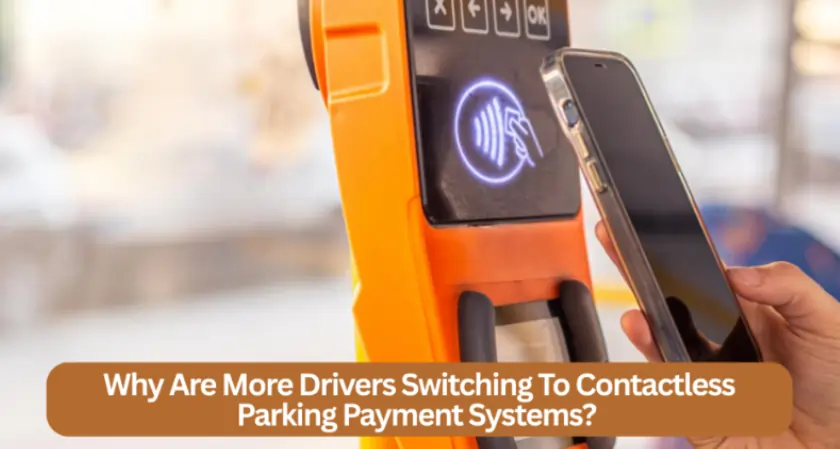
You pull into a parking spot, only to realize you don't have any coins. The machine does not accept cards, and the line behind you grows. Situations like this frustrate drivers every day. Parking should be simple, yet outdated systems often slow people down and create unnecessary stress. As a result, it often turns a quick stop into an unnecessary delay.
However, contactless payment options are changing that experience. Drivers can now pay through mobile apps, tap cards, or digital wallets without touching a machine or carrying cash. Not only is the process faster, but it is also cleaner and more reliable. Meanwhile, cities and private operators are upgrading infrastructure to support these systems, making them easier to access than ever before. This shift reflects a broader move toward convenience-driven urban services.
In the following sections, this article explains why more drivers are moving to contactless parking payments and what benefits are driving that shift.
1. Faster Payment Experience
The shift toward parking payment systems has gained traction because drivers want speed and ease of use. Traditional payment methods often require exact change or physical interaction with machines. Contactless solutions remove that friction. A simple tap or phone scan completes the process in seconds, reducing wait times and keeping traffic moving.
Drivers value time savings, especially in busy urban areas. Parking meters that rely on coins or outdated card readers slow down entry and exit. Contactless methods eliminate these delays. Users can start a parking session instantly, even before stepping out of the car. That convenience adds up over time and improves the overall driving experience.
Research supports this preference for faster transactions. Moreover, digital payment systems improve urban mobility efficiency by reducing idle time and congestion. Faster payment is not just a convenience. It directly impacts traffic flow and city operations.
2. Improved Hygiene and Safety
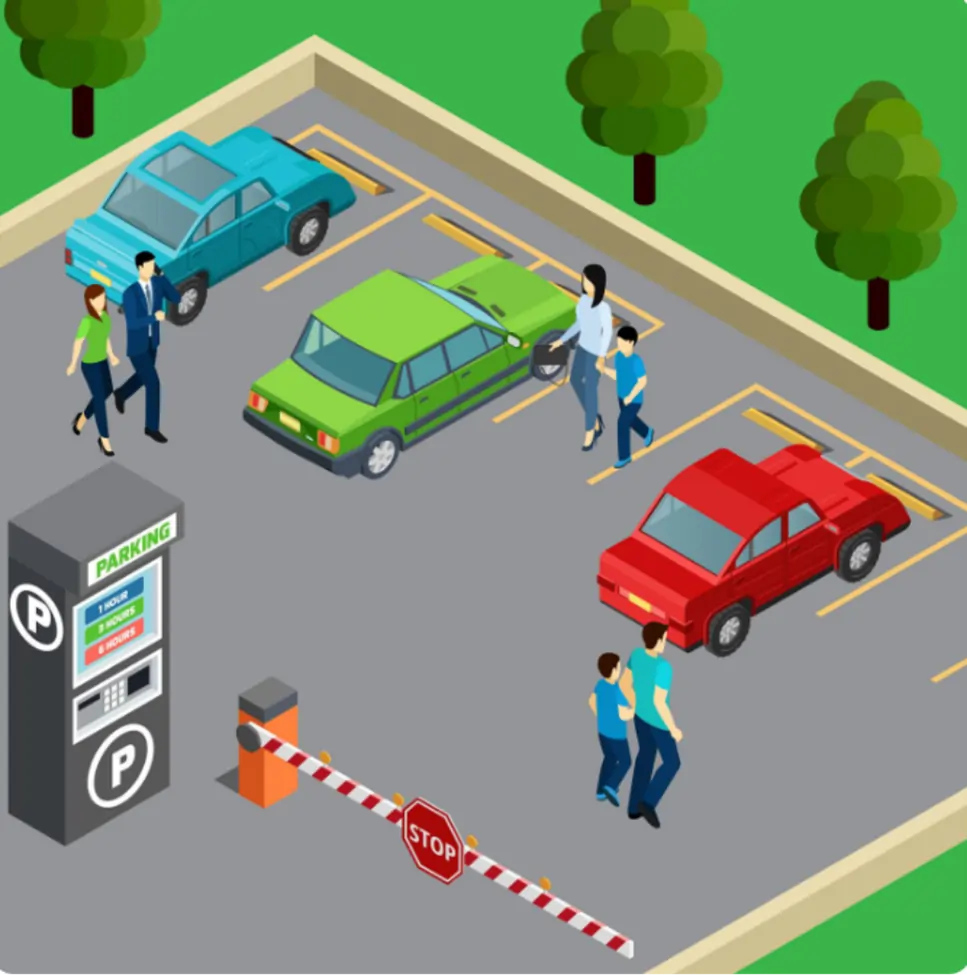
Public awareness around hygiene has changed driver behavior. People now think twice before touching shared surfaces like parking meters. Contactless payment reduces that concern by removing the need for physical interaction. Drivers can complete transactions using their own devices.
Safety extends beyond hygiene. Handling cash in public spaces can expose drivers to theft or loss. Digital payments reduce that risk. There is no need to carry coins or worry about leaving a wallet at a machine. Everything happens securely through encrypted systems.
A study found that contactless systems significantly reduce surface contact in public infrastructure, lowering potential health risks in high-traffic areas. This shift toward safer interactions plays a major role in user adoption.
3. Better Control Over Parking Time
One major advantage of contactless systems is flexibility. Traditional meters often lock drivers into fixed time slots. If plans change, drivers must return to the meter or risk fines. Contactless platforms allow users to extend or end sessions remotely.
This control reduces stress. Drivers no longer need to guess how long they will stay. If a meeting runs late, they can add time through an app. If they leave early, some systems even stop billing automatically. That level of control creates a more user-friendly experience.
Clear notifications also help drivers stay informed. Many systems send alerts before the time expires. These reminders prevent penalties and give users confidence. Instead of worrying about parking limits, drivers can focus on their tasks.
4. Reduced Operational Friction
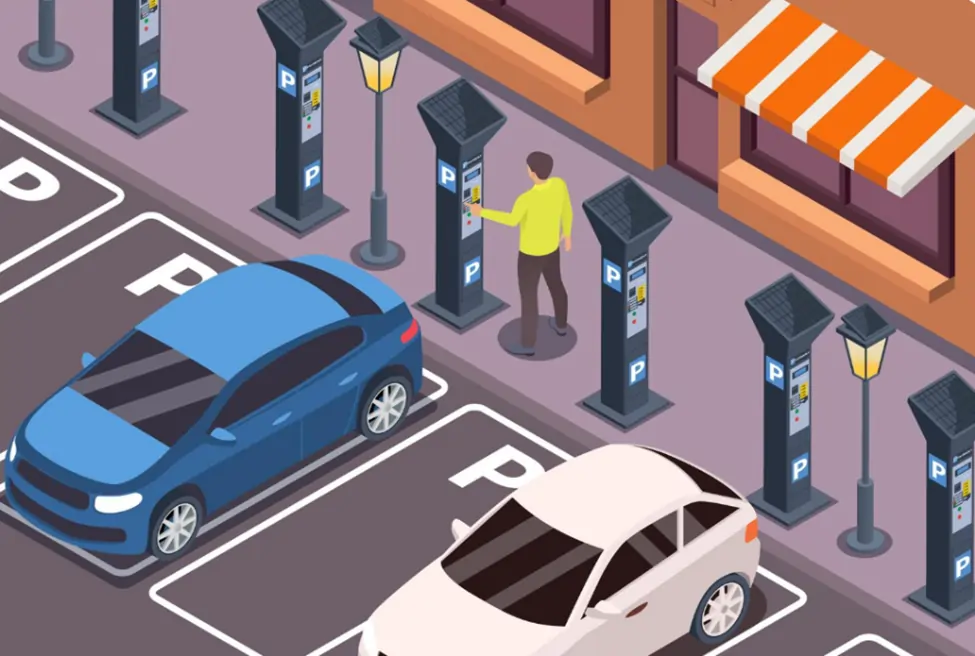
Contactless parking benefits drivers. It also improves efficiency for operators and municipalities. Traditional systems require regular maintenance, cash collection, and hardware repairs. These tasks increase operational costs and create points of failure.
Digital systems streamline operations. Payments are processed electronically, which reduces the need for physical infrastructure. Fewer mechanical parts mean fewer breakdowns. Operators can monitor usage data in real time and adjust pricing or availability as needed.
Data insights are another advantage. Contactless platforms generate valuable information about parking patterns. Cities can use this data to optimize space usage and improve planning. This creates a more efficient ecosystem that benefits both drivers and administrators.
5. Growing Trust in Digital Payments
Drivers are more comfortable with digital payments than ever before. Mobile wallets, tap-to-pay cards, and app-based transactions have become part of daily life. Parking is simply catching up with that broader trend.
Trust plays a key role in adoption. Modern systems use secure encryption and authentication methods. Users feel confident that their financial data is protected. This confidence encourages repeat use and long-term reliance on contactless solutions.
Younger drivers expect digital convenience. They prefer systems that align with how they already pay for goods and services. As this group becomes a larger share of the driving population, demand for contactless parking will continue to grow.
6. Easier Integration with Smart Cities
Contactless parking systems align well with smart city infrastructure. Many cities now use connected technologies to manage traffic, reduce congestion, and improve urban mobility. Parking plays a central role in that ecosystem. Digital payment systems integrate with sensors, apps, and centralized platforms to create a seamless experience for drivers.
Real-time availability is a major advantage. Drivers can check for open parking spots before arriving, reducing unnecessary driving. Less circling means lower fuel consumption and fewer emissions. Contactless systems support this by linking payment directly to location data and parking duration.
City planners also benefit from this integration. Data collected from digital parking systems helps identify high-demand areas and usage trends. With accurate insights, cities can make better decisions about pricing, zoning, and infrastructure upgrades. This creates a more efficient and responsive urban environment.
Conclusion
Contactless parking payment systems solve real problems that drivers face every day. They remove delays, improve safety, and offer better control over parking time. At the same time, they help operators reduce costs and manage resources more effectively. The shift is not just about convenience. It reflects broader changes in how people interact with technology in public spaces.
If you want a smoother parking experience, start using contactless options whenever available. Choose systems that allow mobile payments and real-time control. Small changes like this can save time, reduce stress, and make everyday driving more efficient.