>>
Industry>>
Healthcare>>
The Work Nobody Sees: How Elia...The Work Nobody Sees: How Elias David Lopez Andrade Is Strengthening Healthcare Data From the Inside
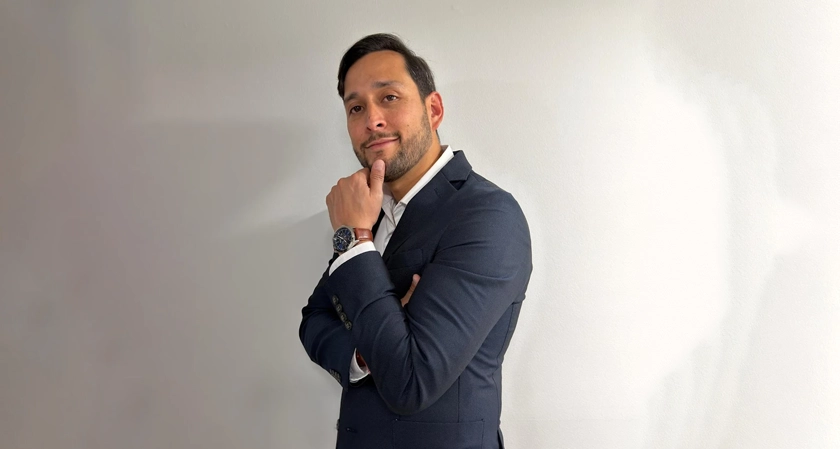
When most people walk into a hospital or visit their doctor, they trust that the information in their file is correct. The medications listed, the diagnoses recorded, the dates, the history. Nobody really stops to question it. And honestly, most of the time, people should not have to. But that level of reliability does not just happen on its own. There are professionals working carefully in the background, making sure healthcare data is accurate, consistent, and structured well enough to actually be useful when it matters.
Elias David Lopez Andrade has spent the better part of two decades, across three industries and two countries, doing exactly that kind of work, and right now he is doing it inside the U.S. healthcare system.
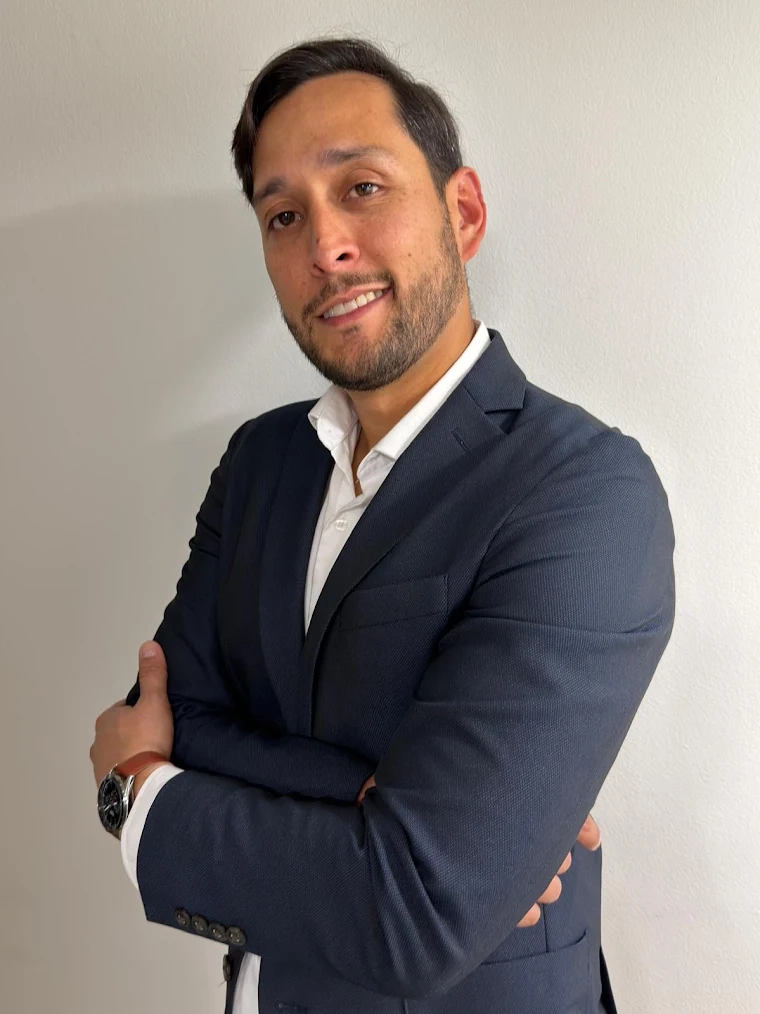
With over 17 years of experience across government, telecommunications, and healthcare, Elias has built a career that does not fit neatly into one box. He has worked on national-level data initiatives in Mexico, supported federal programs with geospatial and statistical reporting, navigated the complexity of telecommunications systems, and is now focused on one of the most consequential data environments in the United States: Electronic Health Record systems.
His title today is Data Analyst, but the work behind that title is broader than it sounds.
A Foundation Built on Public Service
Elias did not start his career thinking about hospital records or patient data, he started it thinking about accuracy. Early in his career in Mexico, he was part of national-level geospatial and statistical reporting initiatives that supported public programs and large-scale decision-making processes. The work was technical, but the purpose was straightforward. Give decision-makers information they can trust, and better decisions follow.
Working within government and telecommunications environments taught him something that would stay with him throughout his career. Data rarely arrives clean. It comes from multiple sources, in different formats, with different standards behind it. Pulling that into something coherent and reliable is a skill that takes years to develop, and Elias developed it the hard way, by working through real problems in high-pressure environments.
"I saw how inaccurate or poorly managed data could affect large-scale operations," he reflects. "Especially in government programs, where the consequences of bad information go beyond operations, they affect people."
That understanding of the human side of data, the fact that numbers on a screen represent real decisions affecting real lives, became central to how he approaches his work.
Crossing into a New Country and a New Industry
Transitioning from large-scale data systems in Mexico to healthcare technology in the United States was not a straightforward move for Elias. It meant adapting to a new regulatory environment, learning different operational standards, and proving himself in an industry he was entering from the outside.
Elias is honest about what that required. "It meant continuous learning and a lot of attention to detail," he says. "Every industry has its own language and its own standards. You have to understand the environment before you can improve it."
What made the transition possible was the foundation he had already built. The core skills of data validation, quality assurance, and systems thinking transfer across industries. The specifics change. The discipline does not.
In healthcare, he found an environment where that discipline matters enormously. Electronic Health Record systems hold the clinical and administrative information that healthcare organizations depend on every single day. When those systems are running well, nobody notices. When they are not, the effects are felt across the entire operation, from clinical workflows to administrative reporting to the accuracy of patient records.
Elias works to make sure they run well.
The Problem Most Organizations Do Not See Coming
Ask Elias what the most common challenge is in healthcare data environments, and his answer is consistent. Organizations tend to focus on the tools that display data and underinvest in the processes that keep that data accurate over time.
"Even minor inconsistencies in a data environment can have a significant impact," he explains. "In healthcare, a small error in a patient record is not a small thing. It can affect how care decisions are made and how well the system performs overall."
This is the problem he has spent years working on. His work involves validating data across complex EHR systems, identifying gaps in data quality, and improving reporting accuracy to support more reliable operational decisions. His work directly contributes to improving the reliability of data used in critical healthcare environments where accuracy is essential. He also develops dashboards and reporting solutions that support data-driven decision-making and provide greater visibility into healthcare operations. The goal is always the same: make the data reliable enough that the people depending on it can focus on their actual jobs without second-guessing what they are looking at.
It is careful, methodical work, requiring both technical depth and an understanding of how the organization actually functions. And it rarely gets the recognition it deserves, which is partly why professionals like Elias often go unnoticed despite the significance of what they contribute.
Giving Back Outside the Office
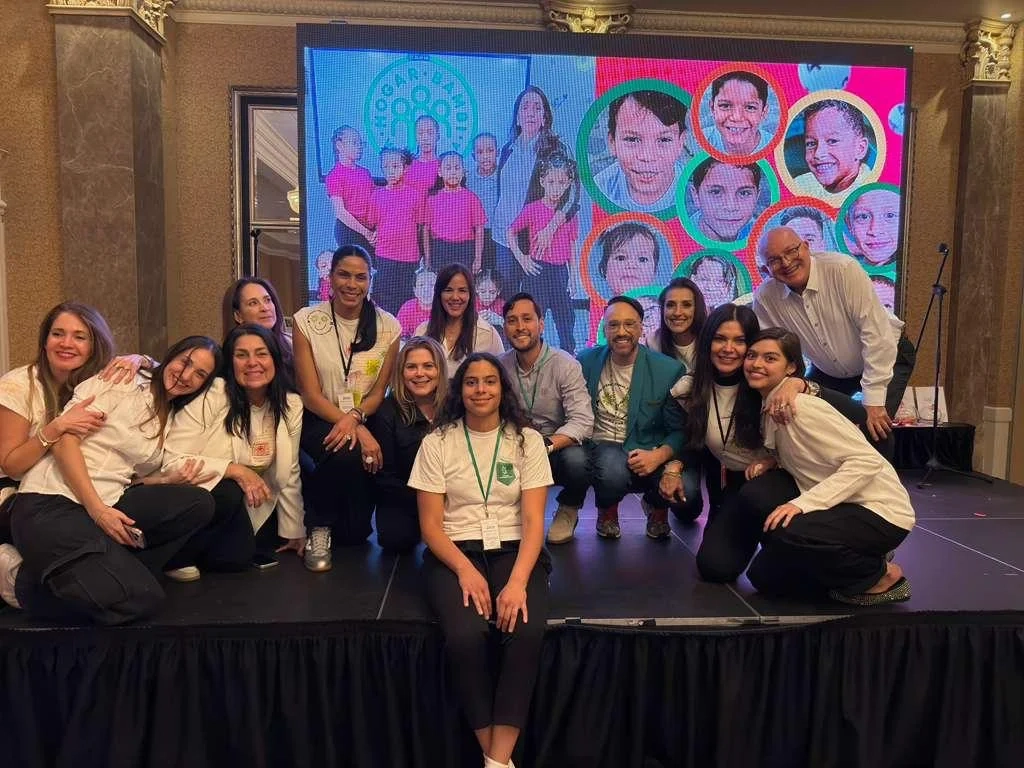
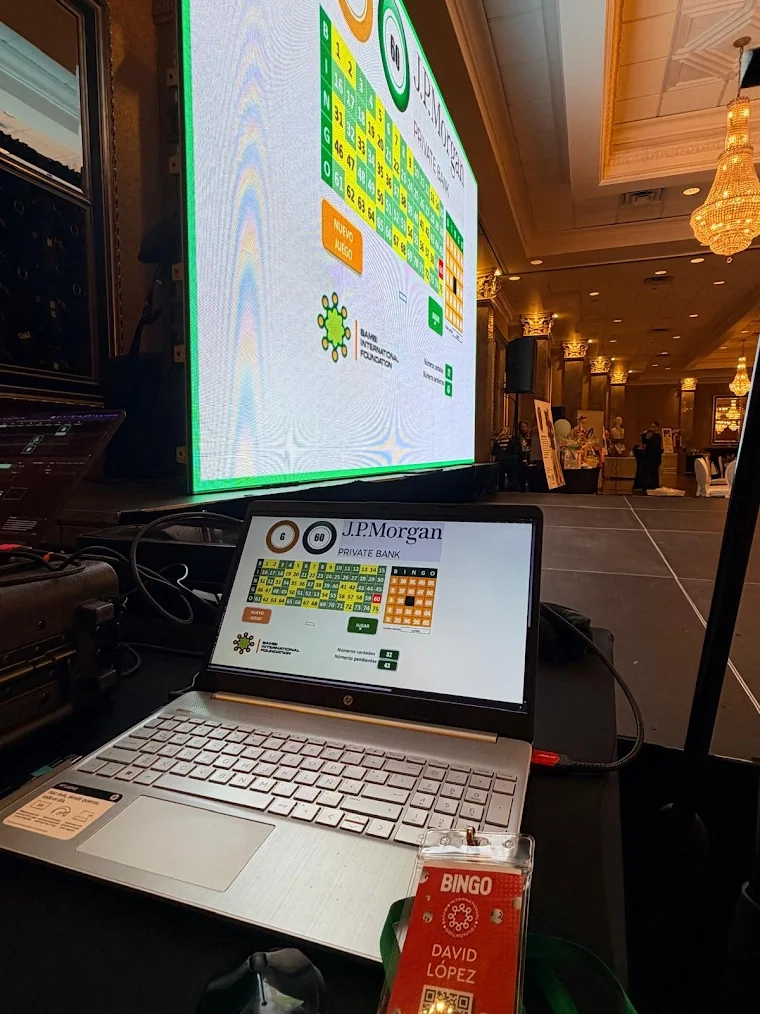
His instinct to apply technical skills toward practical solutions extends beyond his professional role. In Miami, Elias volunteered with the Bambi International Foundation, where he developed a digital solution that improved the efficiency of their bingo fundraising events. The result was a smoother, more scalable process that helped the organization increase its fundraising capacity.
It is a small detail in a long career, but it says something about how he thinks. When a process is not working as well as it could, he looks for a structural reason and builds something to fix it. That tendency shows up whether he is working inside a hospital data system or helping a nonprofit run a more effective fundraiser.
What Comes Next
Elias is clear about where he is headed. He wants to continue growing within the healthcare technology space, contributing to data systems that are more reliable, more efficient, and better equipped to support the organizations that depend on them. He is particularly interested in scalable solutions that reduce errors and support stronger healthcare operations across the United States.
His advice to others working in data-driven fields reflects the same values that have shaped his own path. "Technical skills matter," he says. "But understanding how data affects real outcomes, that is what gives the work meaning. In healthcare, accuracy is not just an operational goal. It directly affects someone's care."
For the professionals, administrators, and organizations working to strengthen how healthcare systems function, that perspective carries real weight. The systems people rely on do not maintain themselves. Behind every reliable record, every accurate report, every dashboard that tells the truth, there is someone doing the careful work that makes it possible.
Elias David Lopez Andrade is one of those people.
About the Author
Sashindra Suresh is an experienced writer specializing in artificial intelligence, software development, and emerging technologies. With a strong ability to translate complex technical concepts into clear, engaging insights, she has contributed to a wide range of publications and platforms. Her work focuses on making cutting-edge innovations accessible to both industry professionals and curious readers alike.