>>
Technology>>
Data analytics>>
What the Digitization Wave Mea...What the Digitization Wave Means for Businesses Sitting on Decades of Analog Data
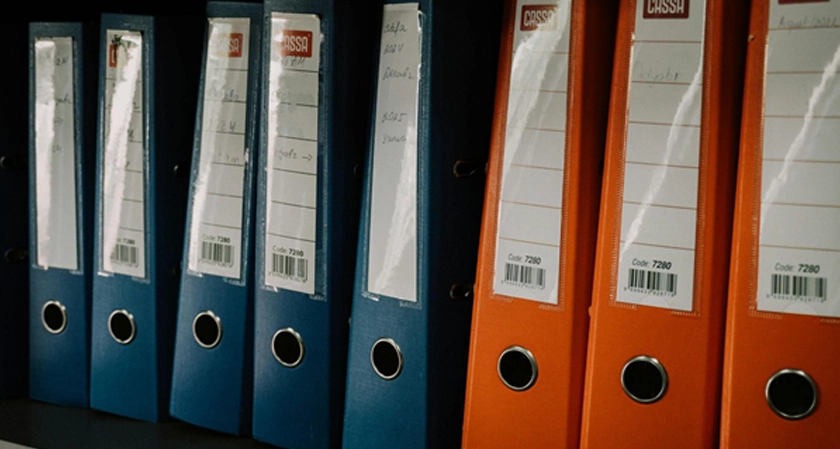
Digitization now touches almost every part of business. It shapes how companies sell, serve customers, manage risk, and make decisions. Yet many organizations still depend on records that were never built for today’s pace. Paper files, scanned PDFs, handwritten forms, and archived folders still hold important information. The problem is simple. That information exists, but teams cannot always use it when needed. For businesses sitting on decades of analog data, the challenge is bigger than storage. It affects speed, accuracy, compliance, and AI readiness. This matters even more as AI frameworks are reshaping innovation across modern enterprises. Companies want smarter systems, faster workflows, and better insight.
The hidden value locked inside old records
Old records are not just old paperwork. They often contain years of business knowledge. A signed contract may explain a customer relationship. A repair log may show why one machine keeps failing. In other words, analog data can still be useful. Very useful.
The issue is access. A folder in an off-site storage facility cannot feed a dashboard. A paper file in a branch office cannot support real-time service. Once these records become structured and searchable, they become more valuable. They can support better planning, faster service, stronger reporting, and smarter operations.
Digitization is not just scanning paper
Many businesses start with scanning. That makes sense. But scanning alone is not enough. A scanned contract without searchable text is still difficult to use. A scanned invoice without metadata can disappear inside a shared drive. Real digitization goes further. It includes:
- document preparation
- scanning
- OCR
- indexing
- metadata tagging
- quality checks
- retention mapping
- secure storage
Each step matters. OCR turns printed or handwritten content into machine-readable text. Metadata gives each file context. That may include:
- the title
- date
- department
- customer ID
- document type
- retention category
Quality checks make sure the digital version is complete and accurate. This is where many projects succeed or fail. Why? Because a messy digital archive is still messy. It is just harder to clean later. Advice from teams working on large-scale archive organization, including Capture, often stresses that scanning without proper indexing and retention planning usually creates more work later on.
Why the business case is getting stronger
The business case for digitization is no longer abstract. Document work consumes real time. In one Adobe survey of 1,019 employed Americans, workers spent an average of 24 hours and 54 minutes each week editing, summarizing, reading, and creating documents. Also, 71% said they felt overwhelmed when processing workplace documents. That tells us something important. Documents are not background work. They shape productivity every day. Paper-heavy workflows make this worse. Teams spend time:
- searching
- rekeying
- checking
- copying
- waiting
Digitization can reduce those delays. It helps employees find files faster. It also helps teams respond faster to customers, auditors, and partners.

Prioritize digitization to save time, reduce errors, and improve service.
Still, the cost of integrating technology in business processes matters. Volume, document condition, OCR needs, metadata depth, privacy rules, and integrations all affect the budget. So, digitize everything at once? Usually, no.
The risks of waiting too long
Waiting can feel cheaper. At first. But paper records create risks that grow over time. Files can be lost during office moves. They can be damaged by floods or fires. They can sit in cabinets after key employees leave. Some may contain sensitive data with no clear access history. That is a problem for regulated industries.
Healthcare organizations, for example, must protect health information through administrative, physical, and technical safeguards. Companies handling personal data in Europe also face strict rules around accuracy, storage limits, and security.
Then there is AI. Many businesses want to connect old records to new AI systems. But weak controls can create serious exposure. IBM’s 2025 research found the global average data breach cost was $4.4 million. It also found that 97% of organizations with AI-related incidents lacked proper AI access controls. Governance matters.
How leaders should start the digitization journey
A good digitization project starts with a simple question. What do we actually have? Leaders need a clear inventory before scanning begins. That means identifying records across offices, warehouses, or branch locations.
Next comes prioritization. Not every record deserves the same effort. High-use records should often come first. These may include:
- customer files
- invoices
- contracts
- HR files
- legal documents
- claims records
- maintenance logs
Compliance-heavy files also deserve attention. However, some records may be duplicates. Others may be expired. Some may be ready for secure disposal under retention rules. This is why planning matters. Teams should define ownership, access rights, metadata standards, storage rules, and validation steps early.
A phased approach reduces waste. It also helps companies prove value before scaling the project.
Where AI and automation fit into the next stage
AI becomes much more useful when records are searchable and structured. That is where AI tools for intelligent document processing come in. IDP uses OCR, classification, extraction, validation, and machine learning. Together, these tools help systems understand the content inside business documents.
Think about an invoice. AI can find the supplier name, amount, due date, and account number. In a loan file, it can help identify missing forms or incomplete fields. In an insurance claim, it can route unusual cases for review. The same logic applies to medical forms, shipping records, and supplier contracts.

Prepare clean records so AI can classify, extract, and route data.
Helpful? Absolutely. But it is not magic. AI still needs clean data, clear permissions, and human review. People must configure systems, train models, monitor results, and handle unusual cases. Clean records make those projects stronger.
How to choose the right digitization partner
The right partner can make a major difference. Speed matters, but it should not lead the decision alone. Accuracy, security, and long-term access matter just as much. Start with OCR quality. Can the provider capture text clearly and reduce errors?
Then look at metadata. Each file should have enough detail to be found later. Chain of custody also matters, especially for sensitive records. So do encryption, audit logs, retention support, and quality checks.
Location can matter too. A healthcare provider may need domestic processing. A financial firm in the European Union may need EU-based data handling.
File formats deserve attention as well.
- Searchable PDFs help with daily access.
- PDF/A supports long-term archiving.
- TIFF files may suit image preservation.
- CSV exports can support data analysis.
Finally, think about integration. Digitized records should connect with the systems teams already use. The goal is not just digital storage. The goal is better access, better control, and better use.
Turning old information into future-ready value
Analog records can still support modern business goals. But value does not appear just because paper becomes a file. Records need structure. They need quality checks, access rules, metadata, retention policies, and security. For businesses sitting on decades of analog data, digitization should not begin as a rushed scanning project. It should begin as a practical business roadmap.