>>
Industry>>
Travel and hospitality>>
8 Essential Travel Tips for Yo...8 Essential Travel Tips for Your First Trip to Namibia
The Silicon Review
15 June, 2026
Author:
Guest
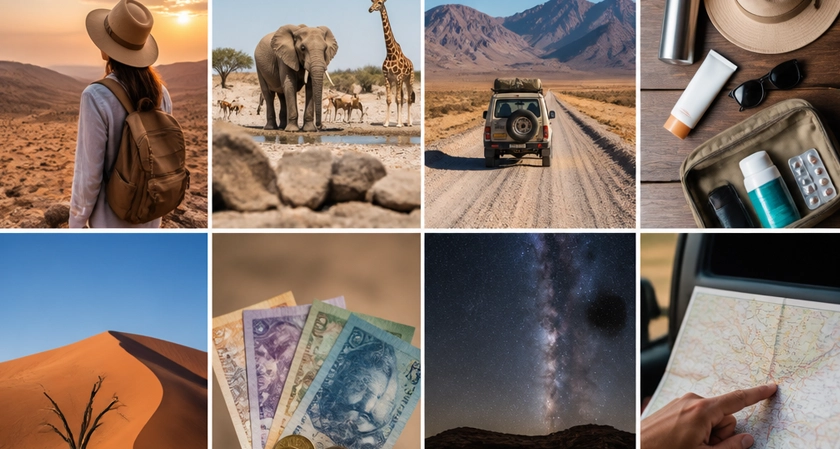
Namibia stands as one of Africa's most captivating destinations, offering dramatic desert landscapes, incredible wildlife, and some of the world's highest sand dunes. If you're planning your first visit to this southwestern African gem, proper preparation will make all the difference between a good trip and an unforgettable adventure. Here are eight essential tips to help you make the most of your Namibian journey.
Understanding the Vast Distances
Namibia is enormous, roughly twice the size of California, yet home to only about 2.5 million people. This means you'll encounter long stretches of road between destinations, sometimes driving for hours without seeing another vehicle. Plan your itinerary realistically, allowing adequate time for travel between attractions rather than trying to cram too much into your schedule.
Most travelers underestimate driving times, especially on gravel roads where speeds rarely exceed 80 kilometers per hour. A journey that looks short on a map might take half a day in reality. Build in buffer time and remember that the journey itself, with its stunning scenery, is part of the experience.
Choosing the Right Vehicle
Your choice of vehicle can make or break your Namibian adventure. While some main routes are paved, many of the country's most spectacular destinations require driving on gravel roads. A 4x4 vehicle with high clearance is essential if you plan to explore beyond the main highways or visit places like Sossusvlei, Damaraland, or the Skeleton Coast.
Don't assume you can handle a 4x4 if you've never driven one before. Take time to familiarize yourself with the vehicle's features, practice changing a tire, and understand how to engage four-wheel drive. Many rental companies offer brief tutorials, which are worth every minute of your time.
Timing Your Visit Strategically
Namibia's climate varies dramatically throughout the year, and choosing the right season affects everything from wildlife viewing to road accessibility. The dry winter months from May to October offer the best game viewing as animals congregate around water sources, plus you'll enjoy clear skies and comfortable daytime temperatures.
Summer months from November to April bring occasional rains, particularly in the north, which can make some roads impassable but transform the landscape into a green paradise. If you're interested in Namibia tours that focus on photography, the dramatic storm clouds during this season create spectacular lighting conditions.
Stocking Up on Supplies
Between towns, you'll find vast stretches of absolutely nothing. Always carry more water than you think you'll need, at least five liters per person per day. Stock up on snacks, basic food supplies, and fuel whenever you pass through a town, even if your tank is half full.
Many remote lodges and campsites have limited or no supplies available for purchase. Planning ahead prevents the disappointment of arriving hungry at a campsite with no firewood or food options nearby.
Respecting Wildlife Encounters
Namibia offers extraordinary wildlife experiences, from desert-adapted elephants to massive seal colonies. However, these are wild animals in their natural habitat, not zoo exhibits. Maintain safe distances, never feed wildlife, and always stay in your vehicle in national parks unless in designated areas.
If you encounter animals on the road, which happens frequently, stop and give them space to pass. Rushing or honking can stress animals and create dangerous situations. Patience rewards you with better viewing opportunities and keeps both you and the wildlife safe.
Preparing for Limited Connectivity
Internet and cell phone coverage is spotty outside major towns. Download offline maps before your trip and don't rely on being able to Google information on the road. Let someone know your itinerary and expected arrival times at each destination.
This digital detox can actually be one of Namibia's greatest gifts. Embrace the opportunity to disconnect from constant notifications and truly immerse yourself in the stunning landscapes around you.
Booking Accommodation in Advance
Namibia's tourism infrastructure is well-developed but limited in capacity. Popular lodges and campsites fill up months in advance, especially during peak season from June to October. Book your accommodation as early as possible to avoid disappointment and ensure you can visit your preferred destinations.
Last-minute travelers often find themselves with limited options or facing long detours to find available beds. Early planning also often means better rates and more choices regarding room types and locations.
Conclusion
Namibia rewards the well-prepared traveler with experiences that remain etched in memory forever. By understanding the country's unique challenges and planning accordingly, you'll position yourself to fully embrace everything this remarkable destination offers. From the towering dunes of Sossusvlei to the wildlife-rich plains of Etosha, your first Namibian adventure awaits with proper preparation and an open sense of wonder.