>>
Industry>>
Waste Management>>
California EPR compliance Dead...California EPR compliance Deadlines Drive Urgent Flexible Film Recycling Solutions
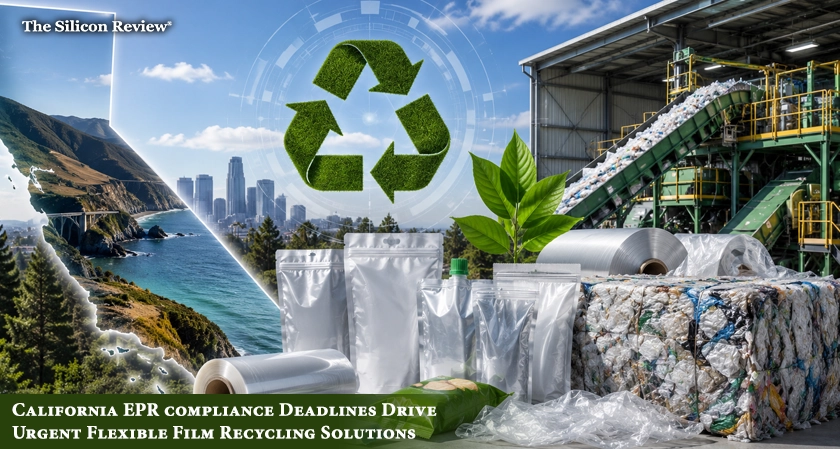
California's 2027 EPR compliance deadlines are driving urgent investment in flexible film recycling technologies. The Silicon Review reports on the race to recycle plastic pouches and bags.
California's 2027 Extended Producer Responsibility compliance deadlines are creating urgent demand for flexible film recycling solutions as brands scramble to meet state requirements for plastic packaging waste.
The epr compliance law requires producers of single-use packaging to join a producer responsibility organization by July 1, 2027, and achieve specified recycling rates for plastic packaging by 2030. Flexible films including pouches, bags, and wrappers are the most challenging materials to recycle.
Flexible film recycling technologies are rapidly evolving to meet the California deadline. Chemical recycling processes that break plastic down into molecular building blocks offer a path to recycle multilayer films that mechanical recycling cannot process.
The epr compliance market for flexible film recycling is estimated at $2.5 billion annually. Major brand owners including Unilever, Procter & Gamble, and Nestle have committed to using recycled content in flexible packaging by 2030.
California's EPR law is the most ambitious in the nation, covering all single-use packaging and requiring producers to fund recycling infrastructure. At least six other states are considering similar legislation.
As California EPR deadlines approach, The Silicon Review examines how flexible film recycling technologies are scaling to meet the 2027 compliance requirements.
Q: What are the California EPR compliance deadlines?
A: California's EPR compliance law requires producers of single-use packaging to join a producer responsibility organization by July 1, 2027, and achieve specified recycling rates for plastic packaging by 2030.
Q: Why is flexible film recycling urgent for epr compliance?
A: Flexible films including pouches, bags, and wrappers are the most challenging materials to recycle. Producers need flexible film recycling solutions to meet state requirements for plastic packaging waste.
Q: How does chemical recycling help with flexible film recycling?
A: Chemical recycling processes break plastic down into molecular building blocks, allowing multilayer films that mechanical recycling cannot process to be recycled.
Q: How large is the epr compliance market for flexible film recycling?
A: The epr compliance market for flexible film recycling is estimated at $2.5 billion annually.
Q: Which brand owners are investing in flexible film recycling?
A: Major brand owners including Unilever, Procter & Gamble, and Nestle have committed to using recycled content in flexible packaging by 2030.
Q: Are other states considering similar EPR laws?
A: Yes, at least six other states are considering EPR legislation similar to California's law.