>>
Industry>>
Environmental sustainability>>
El Niño Returns: Are More Wea...El Niño Returns: Are More Weather Extremes About to Hit the World?
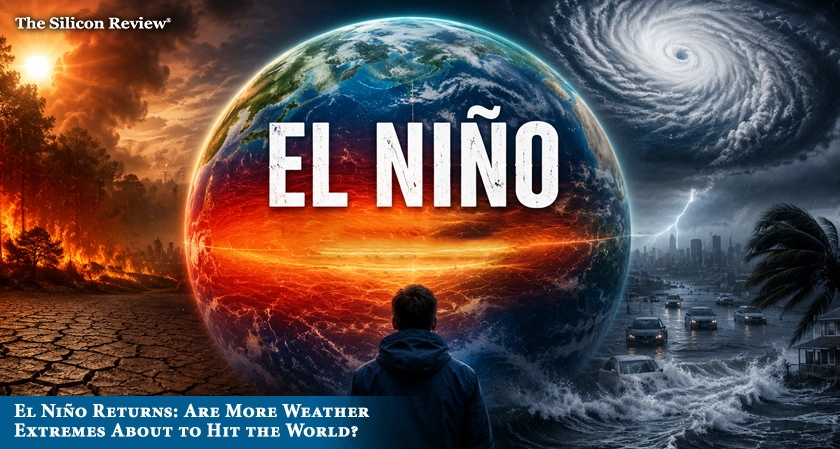
El Niño is back, and the threat of Weather extremes could stretch far beyond hotter days.The climate pattern can trigger extreme weather, from droughts and heat waves to floods and powerful storms, affecting millions worldwide. As oceans warm, millions could feel the impact on food supplies, water resources, and daily life. Can the world withstand another climate shock as El Niño gains strength? The Silicon Review asks.
The powerful Pacific climate phenomenon, which periodically reshapes weather patterns across the globe, has officially formed after months of warming ocean temperatures. While El Niño is a natural event, experts warn that its return comes at a particularly dangerous time when the planet is already experiencing unprecedented levels of heat driven by climate change.
For environmental sustainability advocates, the concern is not merely another warm year. It is the possibility of a cascading chain of disruptions affecting food production, water availability, energy systems, and vulnerable communities across multiple continents.
Meteorologists report that sea surface temperatures in the tropical Pacific have climbed above critical thresholds used to define an El Niño event. More importantly, atmospheric conditions are beginning to respond to the warming ocean, signaling that the phenomenon is gaining strength and could influence global weather patterns for months to come.
Several climate models suggest this event has the potential to become one of the strongest El Niño episodes in recent years. If those forecasts prove accurate, the world could see more intense heat waves, weather extremes, prolonged droughts, devastating floods, and increased wildfire activity.
The greatest concern is that El Niño is arriving on top of an already warming climate. Scientists explain that the phenomenon naturally releases heat stored in the Pacific Ocean into the atmosphere, effectively adding fuel to a planet that has been breaking temperature records with alarming frequency.
While El Niño occurs naturally every few years, researchers warn that a warming world has the potential to amplify its impacts, making extreme weather events more costly and more disruptive than in the past.
The Silicon Review examines: If one climate pattern can influence food security, water supplies, energy production, and economic stability worldwide, are governments truly prepared for what a powerful El Niño could bring?
FAQ:
Q: What is El Niño?
A: El Niño is a natural climate pattern caused by unusually warm ocean temperatures in the tropical Pacific, affecting weather around the world.
Q: Why is this El Niño attracting attention?
A: Scientists believe it could become a particularly strong event, increasing the likelihood of extreme weather and climate-related disruptions.
Q: How can El Niño affect environmental sustainability?
A: It can impact agriculture, freshwater resources, biodiversity, renewable energy generation, and climate resilience efforts.
Q: Which regions are most vulnerable?
A: Parts of South America, East Africa, Australia, Southeast Asia, and North America often experience significant weather impacts during El Niño events.