>>
Technology>>
Aviation>>
From Sri Lanka to the Flight D...From Sri Lanka to the Flight Deck: Sandika Jayamaha's Story of Aviation, Safety, and Leadership
The Silicon Review
05 June, 2026
Author:
Sashindra Suresh
When passengers think about aviation safety, they often picture advanced aircraft, sophisticated technology, and highly regulated airline operations. Those systems are critical, but airline pilot Sandika Jayamaha believes safety begins much earlier.
Long before a pilot sits in the cockpit of a commercial airliner, habits are formed, judgment is developed, and professional standards are established. In Sandika's view, the quality of pilot training can influence safety throughout an aviator's entire career.
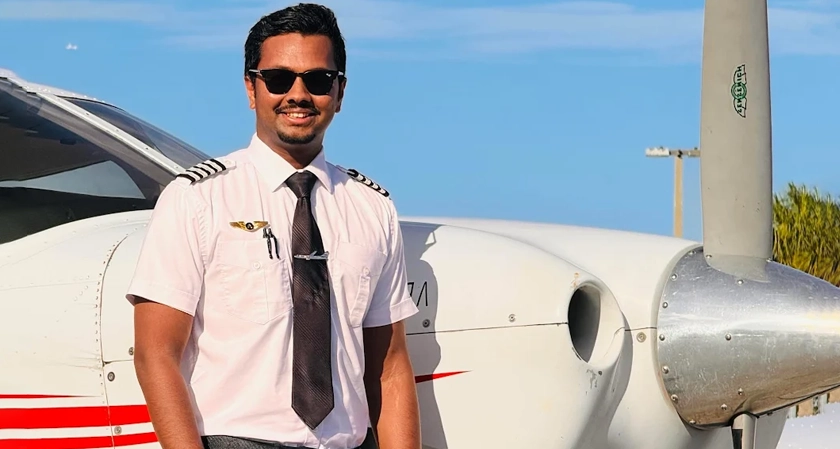
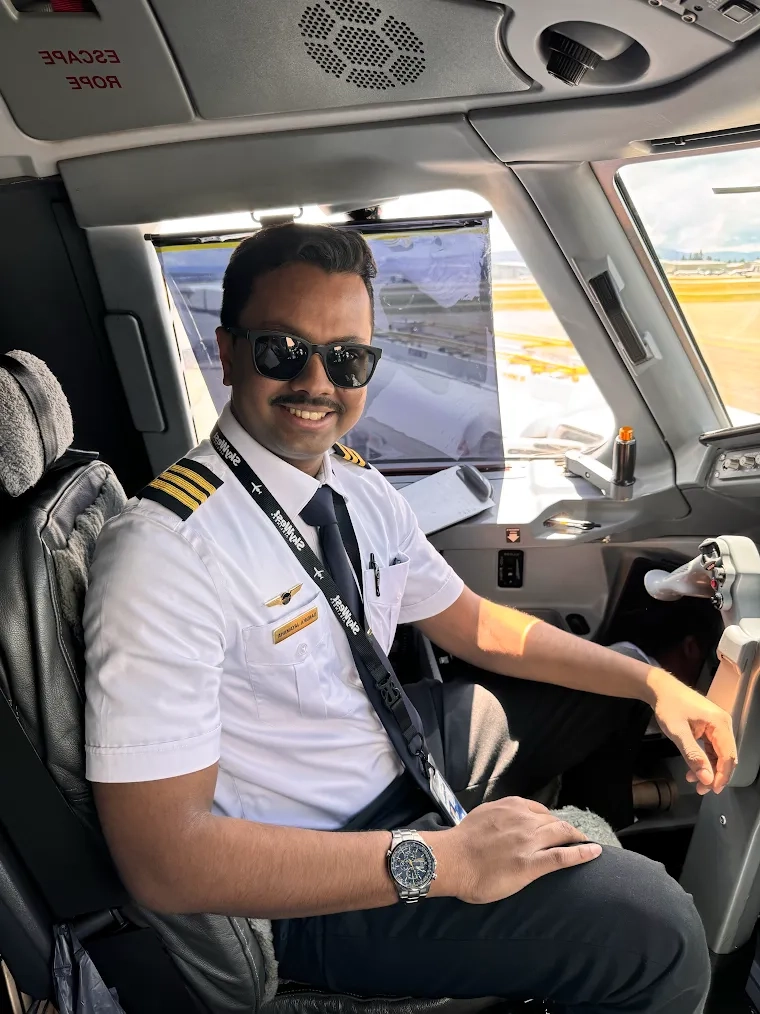
That belief has shaped his own journey from a young aviation enthusiast in Sri Lanka to a First Officer flying the Embraer 175 in U.S. airline operations today.
A Childhood Fascination with Flight
Sandika's interest in aviation began when he was five years old and boarded his first commercial flight. The experience left a lasting impression. He became fascinated not only by aircraft themselves, but by the level of professionalism required to safely transport people around the world every day.
Growing up in Sri Lanka, he set his sights on becoming a pilot at an early age. Encouraged by his father's belief that any goal could be achieved through dedication and hard work, he pursued opportunities that often placed him ahead of his peers.
He entered college at just fifteen years old and earned his bachelor's degree by seventeen. Shortly after turning eighteen, he began flight training and quickly demonstrated an aptitude for aviation. He completed his first solo flight after only 9.1 hours of instruction, one of the fastest solo achievements his flight school had seen at the time.
While those milestones were significant, he says they reinforced an important lesson that has stayed with him throughout his career: long-term success depends on discipline, preparation, and continuous improvement.
Building a Career Across Multiple Areas of Aviation
Determined to pursue professional aviation opportunities, Sandika later moved to the United States to continue his education and flight training. The transition brought new challenges. He had to adapt to a different culture, educational system, and professional environment while continuing to pursue ambitious academic and career goals. Being one of the youngest people in many classrooms and professional settings also required him to earn credibility through performance rather than age or experience.
Over time, he built a diverse background that combined aviation operations, safety management, and pilot development.
His academic achievements include a Bachelor of Business Administration, an Associate of Science in Aviation Science, and a Master of Science in Aeronautics with a specialization in Aviation Safety from Embry-Riddle Aeronautical University, where he graduated with a 4.0 GPA. He is currently pursuing a second master's degree in Business Analytics to further strengthen his understanding of data-driven decision-making and risk analysis.
At just twenty-three years old, Jayamaha had already served as a Flight Instructor, Part 141 Check Airman, pilot evaluator, Assistant Director of Safety, and graduate degree holder.
The Link Between Pilot Training and Aviation Safety
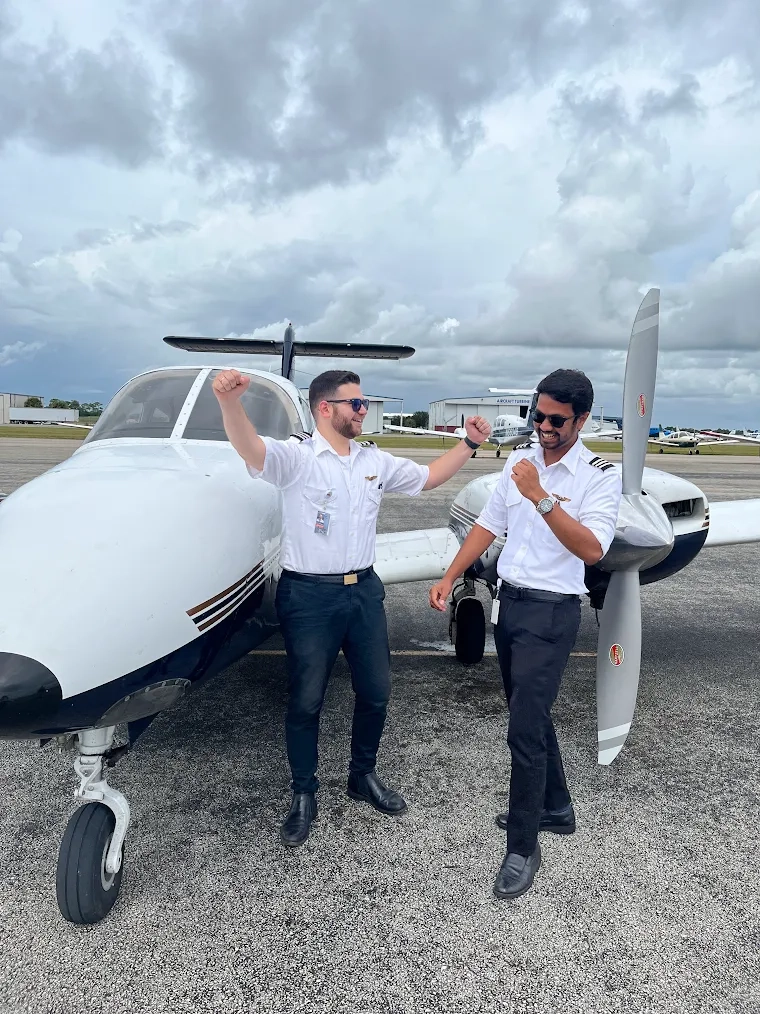
Before joining the airlines, Jayamaha spent much of his career working directly with aspiring pilots. As a Flight Instructor and Part 141 Check Airman, he trained and evaluated students at various stages of their aviation development. As Assistant Director of Safety, he participated in safety management activities, risk mitigation initiatives, and operational safety programs affecting both instructors and students.
Those experiences strengthened his understanding of how aviation safety is built.
According to Jayamaha, safety is rarely the result of a single decision or training event. It develops through consistent habits, sound judgment, effective communication, and professionalism over time. Many of those qualities are introduced during the earliest stages of flight training.
For that reason, he believes flight instructors play a critical role in the aviation industry. Their responsibility extends beyond teaching technical skills. They help students build confidence, develop decision-making abilities, and learn how to manage risk in a dynamic environment.
"The lessons pilots learn early in training often stay with them throughout their careers," Jayamaha says.
The Reward of Helping Others Succeed
While flying has been a lifelong passion, some of Sandika Jayamaha's most rewarding professional experiences came from helping others achieve their own goals. Throughout his time as an instructor, he watched students’ progress from complete beginners to certificated pilots capable of operating aircraft independently.
Moments such as a student's first solo flight or successful checkride often represented far more than a training milestone. They reflected months of preparation, persistence, and personal growth.
Those experiences reinforced his appreciation for mentorship and the important role experienced professionals play in developing future aviators.
As the aviation industry continues to face growing demand for qualified pilots, Jayamaha believes that conversations about workforce development should focus not only on the number of pilots entering the profession, but also on the quality of training and the professional culture being passed on to future generations.
Using Data to Strengthen Safety
In addition to his operational experience, Sandika has developed a strong interest in aviation safety and risk management.
Modern aviation generates significant amounts of operational data, creating opportunities to identify trends, evaluate risks, and improve decision-making before problems arise.
His academic focus on aviation safety and business analytics reflects a growing industry shift toward proactive safety management supported by data analysis. Even so, he believes technology works best when it supports skilled professionals rather than replacing them.
The strongest safety cultures, he says, are built by people who remain open to learning, communicate effectively, and are willing to continuously improve both themselves and their organizations.
Looking Ahead
Today, Sandika Jayamaha serves as a First Officer flying the Embraer 175 in Part 121 airline operations and has accumulated more than 1,500 hours of airline flight experience.
His long-term goals include becoming an airline captain, serving as a Check Airman, and taking on greater leadership responsibilities in aviation safety.
More importantly, he hopes to continue contributing to pilot development and safety initiatives that help strengthen the industry for years to come.
For Sandika, aviation has always been about more than operating an aircraft. It is about building the knowledge, judgment, and professionalism that allow people to fly safely every day.
As aviation continues to evolve, he believes the industry's future will depend on the same principle that guided his own journey: investing in people and giving the next generation of pilots the tools they need to succeed.
About the Author
Sashindra Suresh is an experienced writer specializing in artificial intelligence, software development, and emerging technologies. With a strong ability to translate complex technical concepts into clear, engaging insights, she has contributed to a wide range of publications and platforms. Her work focuses on making cutting-edge innovations accessible to both industry professionals and curious readers alike.