>>
Industry>>
Gaming and vfx>>
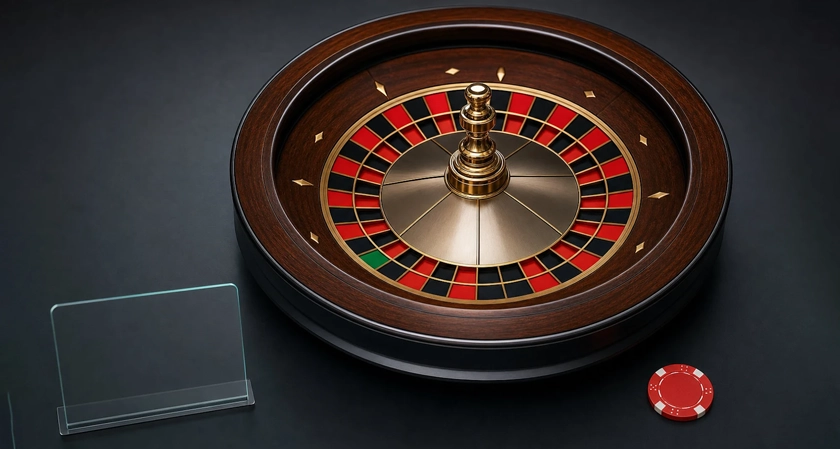
How Casino Online Betscore rou...How Casino Online Betscore roulette tables look and feel on screen
The Silicon Review
18 June, 2026
Author:
Guest
First impressions in a roulette lobby rely heavily on the layout, pace, and on-screen composition rather than any particular set of rules. The presentation of Casino Online Betscore is experienced through https://betscore.com/nz/, where details like visual clarity and timing cues play a prominent role in the table’s appeal. Small interface details—such as spacing, labeling, and animation—can shape comfort and encourage exploration before a single chip is placed.
Roulette fundamentals remain steady from table to table, but how the action is presented influences the player’s interest in joining or staying. Clarity of grid, wheel visibility, and the pace of each round are front and center as users browse through different tables. Distinct visual presentation and clean overlays make a table feel approachable, while cluttered screens or confusing menus may deter engagement. This article explores the ways the roulette presentation uses interface elements, camera work, and rhythm to offer a comfortable on-screen experience without reference to strategy or outcomes.
The visual welcome when you open a roulette table
Many roulette tables may look alike at first, but key differences in their visual arrangement heavily influence the initial impression. A well-organized screen with clear boundaries between various bet areas allows viewers’ eyes to relax and quickly orient themselves. Large, easy-to-read numbers and labels help users follow the action even if they arrive mid-round. Color selection is equally important since low contrast can make options blend together and obscure standard grid points, while well-chosen palettes highlight available choices. If the interface feels overloaded with panels, pop-ups, or icons, navigation becomes slower and more demanding for the user. These design choices contribute to whether a table feels smooth to join, aside from the standard mechanics in every round.
Organization and placement of information on the screen also affect usability and comfort. When digital tables are designed so primary elements like the wheel and main betting grid remain fixed and prominent, viewers can maintain attention easily as play progresses. Collapsible panels or shifting overlays can create cramped layouts and reduce visibility, making it tougher to keep track of outcomes and bets. When the interface maintains consistent structure, such as visible timers and easily located result panels, navigating the table feels more like following well-marked signage and less like solving a puzzle. This sense of order is what often keeps someone watching table action instead of clicking away to find a better-designed option.
How grid clarity, chip feedback, and timing cues affect decisions
The betting grid serves as the main interactive element, so clear structure directly impacts user confidence. Casino Online Betscore uses sharp lines, readable text, and stable scaling to help bettors pick their positions with accuracy. Visual chip feedback—such as a glow or soft highlight when chips are placed—reassures users that their inputs are registered. When feedback is subtle or delayed, doubt can arise and slow the process. Obvious timing cues, like countdown clocks and clear “final bets” prompts, let people know when their window for action will close. A predictable countdown and response help minimize stress, creating a more consistent experience for users even when the pace is brisk and rounds flow one into the next.
Visible timing elements should grab attention without breaking focus. Countdown timers that stand out—without being distracting—allow players to decide at a glance if they have time remaining. If the timer or “final bets” indicator is hidden amidst menus or icons, users risk missing deadlines and may hesitate during busy moments. Visual shifts, rather than just audio, usually support faster responses and clearer transitions between round phases. Displaying table settings, bet limits, and pace information up front, as Casino Online Betscore does, means viewers are less likely to be caught off guard. As users gain trust in visible and reliable cues, the rhythm of open bets, final notice, and conclusion becomes ingrained for smoother session flow.
Why camera framing and overlays change what you trust and notice
The angle and framing used for the roulette table feed shape a viewer’s sense of control and clarity. Casino Online Betscore offers tables that alternate between wide views showing the dealer and close-ups of the wheel, allowing for easy tracking of the spin’s outcome. Predictable camera changes—at organized points like the drop of the ball or bet closure—provide continuity and minimize confusion. Overlay panels, if designed with restraint and positioned at the screen edges, can enhance comprehension by adding recent results or current status without blocking essential action. However, overlays that are too dense or placed over key areas compete with important visual cues, making the overall experience busier than necessary.
Supportive overlays and information banners should aid quick scanning and limit distraction. Simple labels for last results, countdowns, and table status maintain viewer focus on the flow of the round. When tables limit the amount and density of animated banners, players can keep their attention on the roulette wheel rather than sifting through excessive graphics. Sharp camera focus and steady transition between frames reinforce trust, ensuring viewers confirm outcomes with little ambiguity. When visual elements are designed for readability—combined with minimal but informative overlays—the result is a session with clarity, confidence, and ease of use that doesn’t rely on explanations or background knowledge.
How table rhythm and interface stability shape the on-screen experience
Table rhythm is determined not just by speed, but also by how clearly each round’s phase is marked on screen. Clear, predictable transitions between betting, closing, and result reveal create a sense of comfort and order. Interface stability—where key areas like grids, timers, and result displays keep to fixed positions—reduces mental overhead and encourages users to focus on the wheel’s action instead of frequently scanning for crucial details. Tables reinforce this sense of reliability through smooth updates when showing results and rapid transitions to new rounds, all without jarring interface shifts that disrupt concentration. Maintaining an orderly cadence makes fast-paced sessions approachable for new and returning viewers alike.
The lasting impression of a session is often set by how long results remain on display and how swiftly a new round launches. Some tables highlight the outcome long enough for viewers to absorb, while others turn over quickly, relying on side panels for history. What matters most is whether information remains accessible and timelines are easy to track. A steady rhythm, marked by reliable timers and fixed status displays, invites people to engage without extra effort. Consistent presentation and interface clarity allow each visit to feel straightforward, while small design flourishes keep sessions lively and visually distinctive without adding unnecessary complexity.




















Comments