>>
Industry>>
Environmental sustainability>>
How Eco-Friendly Windows Reduc...How Eco-Friendly Windows Reduce Your Carbon Footprint
The Silicon Review
03 June, 2026
Author:
Allen Brown
Modern architecture increasingly prioritizes environmental sustainability as global carbon emissions continue to reach critical levels. Residential buildings contribute significantly to this collective ecological footprint, primarily through excessive energy consumption required for constant heating and cooling. Implementing energy-efficient building components represents an accessible and highly effective strategy for property owners looking to mitigate their environmental impact.
The Mechanics Of Thermal Insulation
Insulated window units function by creating a robust thermal barrier between internal living spaces and the external environment. Multiple panes of glass trap thin layers of still air or dense inert gases like argon to slow down heat transfer significantly. Consequently, indoor temperatures remain remarkably stable without constantly relying on mechanical heating or cooling devices.
Standard glass panes conduct heat rapidly, making homes highly susceptible to outdoor weather fluctuations and seasonal extremes. Advanced eco-friendly designs utilize specialized low-emissivity coatings that reflect infrared light while letting visible light pass through completely. Such innovative technology keeps seasonal heat outside during the summer months and seals valuable warmth indoors throughout winter.
Decreasing the workload of home climate control systems directly reduces electricity and gas consumption across all seasons. Because most municipal energy grids still rely heavily on fossil fuels, lower consumption translates directly into reduced greenhouse gas emissions. Homeowners achieve both financial savings and environmental preservation through enhanced thermal insulation.
Understanding The Role Of Double Glazing
Double glazing involves two sheets of glass separated by a vacuum or gas-filled space to enhance insulation performance. The specialized configuration cuts energy loss by up to half compared to outdated single-glazed alternatives. Incorporating these advanced systems ensures that homes retain energy far more efficiently throughout the entire year.
Property owners frequently pair these windows with modern entryways to maximize the thermal efficiency of their building envelope. Installing high-performance uPVC double glazed doors ensures that major entry points do not become weak links in household energy retention. The combination creates a comprehensive airtight barrier that optimizes indoor climate control effortlessly.
Eliminating drafts and persistent cold spots helps maintain a comfortable living space with minimal resource usage. Reducing fuel burning for home heating prevents substantial amounts of carbon dioxide from entering the atmosphere annually. Choosing comprehensive double-glazing solutions represents a vital step toward achieving long-term residential sustainability targets.
Environmental Advantages Of Modern Frame Materials
Sustainable window manufacturing relies heavily on choosing framing materials that minimize environmental degradation during production. Traditional metal frames require high energy expenditure during extraction and refinement, whereas modern polymers offer better thermal properties and lower manufacturing emissions. Selecting the right frame material determines the lifetime ecological footprint of the entire window unit.
Unplasticized polyvinyl chloride, commonly known as uPVC, has emerged as a premier choice for green construction projects worldwide. The material possesses exceptional durability, resists harsh weather conditions, and provides excellent insulation without degrading over several decades. Long-lasting frames eliminate the need for frequent replacements, conserving natural resources over time.
Specific polymer formulations and composite materials can significantly lower embodied energy and carbon dioxide emissions compared to traditional glass fiber systems. Utilizing optimized PVC mixtures represents an efficient pathway toward cleaner construction practices. Choosing low-emission frame materials helps reduce the overall environmental burden of building renovations.
Reducing Home Energy Consumption
Buildings account for a major share of global electricity consumption, largely driven by internal temperature regulation needs. Sustainable windows address this issue directly by reducing the mechanical energy required to keep interiors safe and comfortable. Lower demand on the electrical grid minimizes the burning of coal and natural gas at power plants.
Seasonal temperature extremes often force heating and cooling systems to run at maximum capacity, straining energy infrastructures. Eco-friendly glass systems flatten these demand spikes by stabilizing the indoor climate naturally through passive insulation. The resulting energy savings accrue month after month, culminating in substantial carbon reductions.
Upgrading old windows allows property owners to reduce their reliance on carbon-intensive utility providers. Clean energy transitions are accelerated when overall demand is minimized through smart, passive architectural design. Energy conservation remains the most reliable and effective form of emission reduction available to individual citizens.
Maximizing Natural Daylight And Solar Gain
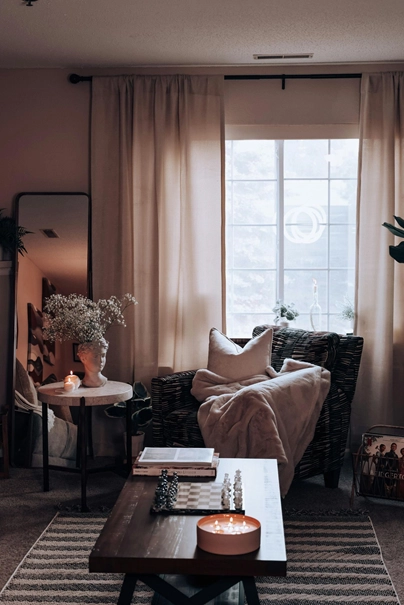
Eco-friendly windows are engineered to balance insulation with the strategic utilization of natural sunlight. Maximizing daylight reduces the need for artificial indoor lighting during daytime hours, cutting electricity usage further. Properly positioned glass maximizes useful light while controlling unwanted solar heat.
Solar heat gain can be managed precisely through modern glazing treatments tailored to specific geographic climates. Cold regions benefit from windows that harvest solar warmth, whereas hotter areas require coatings that reject solar heat. Tailoring windows to local climates optimizes passive energy management.
Relying on natural light enhances indoor living quality while simultaneously cutting down utility emissions. Lowering artificial lighting requirements helps decrease a household’s daily operational carbon footprint. Smart window design harmonizes internal living conditions with external natural elements.
The Importance Of Lifespan And Durability
Product longevity plays a crucial role in assessing the true sustainability of any home improvement component. Windows that fail within a decade require replacement, doubling the carbon emissions associated with manufacturing and transport. Durable materials ensure that the initial environmental investment yields returns for generations.
Sustainable windows resist rotting, warping, and corrosion even when exposed to harsh coastal or urban environments. High resistance minimizes maintenance requirements, eliminating the need for chemical paints and sealants that harm ecosystems. Robust construction guarantees consistent thermal performance throughout the product lifecycle.
Investing in durable window installations prevents excess waste from overwhelming local landfills prematurely. Keeping functional materials in use for thirty years or more preserves natural resource reserves. Extended product lifespans maximize the carbon-offsetting potential of energy-efficient designs.
Minimizing Condensation And Internal Moisture
Traditional windows often suffer from condensation when warm indoor air meets freezing glass surfaces. Accumulating moisture encourages mold growth, which degrades structural integrity and threatens respiratory health. Advanced glazing keeps internal glass surfaces warm, preventing moisture accumulation.
Eliminating condensation reduces the need for energy-intensive dehumidifiers or frequent repairs to damaged walls. Well-insulated frames prevent damp air from penetrating hidden gaps around window boundaries. Maintaining dry interiors protects building materials from premature decay and environmental rot.
Healthier indoor environments require fewer chemical interventions and less mechanical air treatment. Protecting structural components ensures the building retains its efficiency without needing emergency renovations. Moisture control remains an underappreciated benefit of comprehensive carbon reduction strategies.
Lowering Embodied Carbon Through Recycling
Embodied carbon refers to the total greenhouse gas emissions generated during material extraction, production, and transport. Eco-friendly window manufacturers actively address this factor by implementing closed-loop recycling systems. Recycling old window materials into new frames reduces the demand for virgin resources.
Modern polymers can be melted down and reformed multiple times without losing structural strength or insulation value. The recycling process consumes far less energy than producing entirely new raw materials from scratch. Sustainable manufacturing practices ensure that waste products are diverted back into productive supply chains.
Supporting manufacturers that prioritize circular economies helps drive down industrial carbon emissions. Consumers can actively participate in global green initiatives by choosing fully recyclable window fixtures. Minimizing waste at the manufacturing stage ensures cleaner production cycles worldwide.
Upgrading to eco-friendly windows represents a practical and highly effective method for lowering residential carbon emissions. Enhancing thermal boundaries reduces daily dependency on mechanical HVAC systems, translating into immediate energy conservation. Long-term environmental stewardship relies on these passive design choices to create truly sustainable living spaces.
Investing in advanced glazing solutions ultimately benefits both household finances and global climate initiatives. Durable materials, lower embodied carbon, and optimized energy efficiency make modern windows indispensable tools for green living. Sustainable retrofitting paves the way toward a cleaner, more resilient future for communities worldwide.