>>
Industry>>
Architecture and interior design>>
How to Incorporate Moroccan Ti...ARCHITECTURE AND INTERIOR DESIGN
How to Incorporate Moroccan Tile USA for Stunning Kitchen Remodels
The Silicon Review
19 June, 2026
Author:
Guest
Embarking on a kitchen remodel can be an exciting yet challenging endeavor. One of the most impactful elements you can introduce is Moroccan tile. Known for its intricate patterns and vibrant color rendering, Moroccan tile can breathe new life into any kitchen space. This article explores how Moroccan Tile USA can be effectively incorporated into your kitchen remodel, transforming it into a stunning centerpiece of your home. From selecting the perfect tile to ensuring its longevity, we'll guide you through the process, ensuring your kitchen not only meets but exceeds your design expectations.
How Moroccan Tile Can Transform Your Kitchen Space
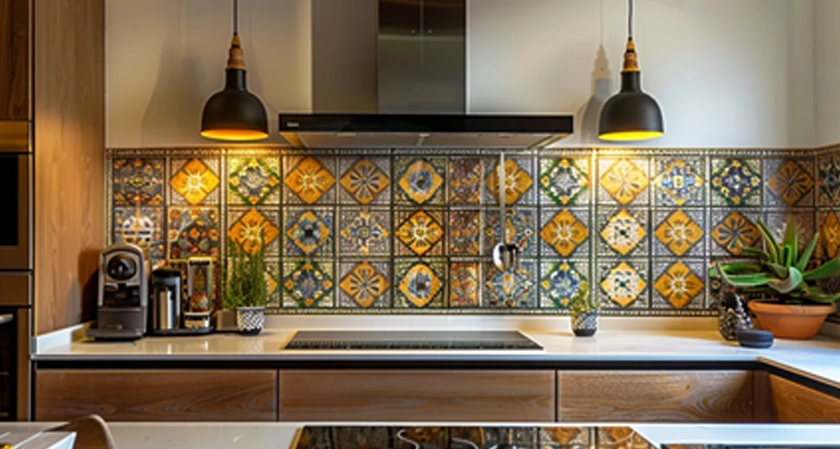
The unique appeal of Moroccan tile lies in its versatility and distinctive aesthetic. These tiles can add a touch of exotic elegance to any kitchen, making it a focal point in your home. In the design development phase, using a mood board can help visualize how these tiles can complement other elements like cabinetry and countertops. Incorporating Moroccan Tile USA is particularly effective when used as a backsplash or a feature wall, adding depth and character to your kitchen environment. According to recent analysis from Architectural Digest, incorporating such rich textures and patterns can significantly enhance the overall ambiance of a kitchen.
Choosing the Right Moroccan Tile for Your Remodel
Selecting the right Moroccan tile involves more than just picking a pattern that catches your eye. It's crucial to consider factors such as durability, maintenance, and the existing kitchen style. Start by examining the specification sheet of various tile options to ensure they meet your practical needs. Moroccan Tile USA offers a range of options that can suit both traditional and contemporary settings. Tiles with LEED Certification are also available, ensuring your remodel aligns with eco-friendly practices. This attention to detail during the schematic design phase can prevent costly change orders down the line.
Incorporating Moroccan Tile into Various Kitchen Styles
Moroccan tiles are adaptable to a variety of kitchen styles, from rustic to modern. In a farmhouse-style kitchen, for example, these tiles can be used to contrast with wood elements and millwork, creating a balanced yet dynamic look. For modern kitchens, incorporating Moroccan tiles with sleek surfaces and minimalist cabinetry can add a layer of sophistication. The key is to integrate these tiles seamlessly into the FF&E (furniture, fixtures, and equipment) plan of your kitchen. This approach, coupled with a thorough site analysis, ensures that the tiles are both functional and aesthetically pleasing.
Incorporating Moroccan tiles into a transitional kitchen can be particularly rewarding. By blending traditional patterns with contemporary elements, you create a timeless look that remains stylish over the years. A recent study from Houzz suggests that such a combination can increase your home's resale value, making it a wise investment.
Maintaining the Beauty of Moroccan Tile in Your Kitchen
Once you've installed your Moroccan tiles, proper maintenance is essential to preserve their beauty. Regular cleaning with non-abrasive materials will prevent the tiles from losing their vibrant color. For tiles used in high-traffic areas, consider applying a sealant to protect against stains and wear. Ergonomics should also be considered; ensure easy access to cleaning supplies and tools for maintaining the tiles. By integrating maintenance planning into the initial design development phase, you can extend the lifespan of your tiles and keep them looking their best.
Conclusion
Moroccan tile can significantly enhance the visual and functional appeal of your kitchen remodel. By choosing the right tiles and integrating them into your design scheme, you create a space that is both beautiful and practical. For those seeking to add distinctive flair and timeless elegance to their kitchens, the range offered by Moroccan Tile USA provides an excellent starting point. A well-planned kitchen remodel not only elevates your home's aesthetic but also adds lasting value.




















Comments