>>
Industry>>
Management consulting>>
The Importance of Building Lea...The Importance of Building Leadership Continuity and Organizational Coherence for Lasting School Improvement
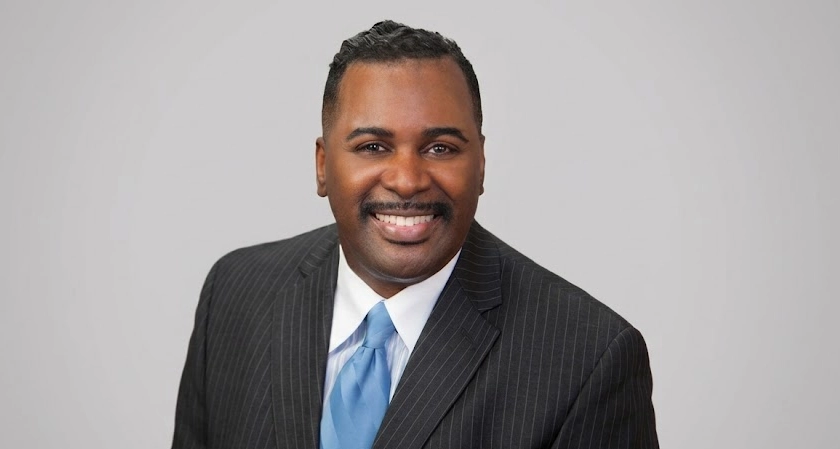
Dr. Thomas Maridada suggests that many school districts possess thoughtful ideas for improvement, yet sustaining those efforts over time often depends on leadership continuity and the organizational systems that support implementation. As the founder of the Center for Strategic Leadership and Organizational Coherence (CSL) and CEO of the Institute for Organizational Coherence (IOC), he advocates for building structures that help improvement efforts remain consistent across leadership transitions and evolving priorities.
That perspective emerges from years spent working across classrooms, district leadership, nonprofit advocacy, and educational system development. While student outcomes remain a central focus for district leaders, Maridada observes that conversations about improvement frequently emphasize launching initiatives while giving less attention to how those initiatives will endure over time. “Early gains may look encouraging, but a broader question is still unresolved,” he says. “How will progress continue through changes in leadership, governance priorities, and organizational direction?”
According to Maridada, educational improvement benefits from being viewed through a long-term lens. He believes that student achievement, instructional quality, and organizational learning develop through sustained effort, making decade-long horizons particularly valuable when evaluating district progress.
This view appears even more relevant in light of leadership mobility across the sector. According to a 2024 report, 20% of the 500 largest school districts experienced superintendent transitions within a single year, continuing a pattern of elevated turnover. “Such findings indicate the importance of designing systems that can maintain momentum even as leadership changes occur,” Maridada states.
For him, the challenge extends beyond individual leadership positions. He points to the recurring tension that can emerge when governance bodies and district leadership operate with differing priorities or timelines. In those circumstances, energy may shift toward managing competing expectations, while long-range educational goals tend to receive less sustained attention. Student learning, he argues, benefits when stakeholders share a common understanding of desired outcomes and maintain alignment around those objectives over extended periods.
This emphasis on continuity seems connected to how professional expertise develops. Maridada notes that teaching, school leadership, and district administration evolve through experience, reflection, coaching, and repeated cycles of learning. Educators refine instructional decisions through practice, while leaders strengthen their ability to guide complex systems over time. “Professional expertise grows through continuous learning, thoughtful reflection, and opportunities to apply lessons across multiple contexts,” he remarks. “Schools flourish when people have the time and support to deepen that expertise.”
That principle also informs his perspective on evaluating educational initiatives. New instructional models, intervention strategies, and professional learning efforts often require time before their full implications become visible. When districts move quickly from one initiative to another, opportunities for refinement and organizational learning may become limited. Maridada believes schools benefit from studying implementation carefully, examining evidence, and making informed adjustments before reaching conclusions about effectiveness.
Creating that continuity requires intentional leadership development. Through CSL’s work with districts, Maridada advocates for leadership pathways that help educators progress from classroom roles into broader leadership responsibilities. Such systems may help preserve institutional knowledge while preparing future leaders to build upon existing successes. In his view, sustainable improvement becomes more attainable when organizational expertise is distributed across many individuals instead of concentrated within a single position.
Leadership pipelines may also influence other priorities that districts frequently identify, including literacy advancement, teacher development, and instructional quality. As educators gain experience and receive mentorship, districts can create opportunities for knowledge transfer across generations of teachers and leaders. “The strength of a school system often reflects the strength of its people-development systems,” Maridada emphasizes. “The organization develops a deeper capacity for improvement when educators continuously learn from one another.”
The conversation around sustainability has gained additional significance as districts navigate evolving financial realities. According to an industry report, many school systems are preparing for funding pressures associated with changing enrollment patterns, rising operational costs, and increased student needs. Within that environment, Maridada suggests that districts may benefit from investing in organizational capabilities that support continuous improvement over time. Strong professional learning systems, leadership development structures, and data-informed decision-making processes can help organizations adapt thoughtfully as circumstances evolve.
Maridada views infrastructure as an essential component of educational progress. Programs and incentives may create momentum, yet long-term improvement often depends upon systems that support implementation, evaluation, and refinement. Data can inform strategic decisions, identify emerging needs, guide professional learning, and support continuous improvement cycles. Equally important, districts need frameworks that help educators examine outcomes, learn from experience, and strengthen future practice.
Overall, Maridada believes educational progress emerges through collective effort sustained over time. “Meaningful change is built through people, relationships, and systems that continue learning together,” he says. “Organizations can create conditions where improvement can continue well into the future when they cultivate coherence across leadership, governance, and professional practice.”












Comments