>>
Other>>
Politics>>
Peru President Returns the Fuj...Peru President Returns the Fujimori Name to Power, But Can the Peru Government Escape Its Dark Past?
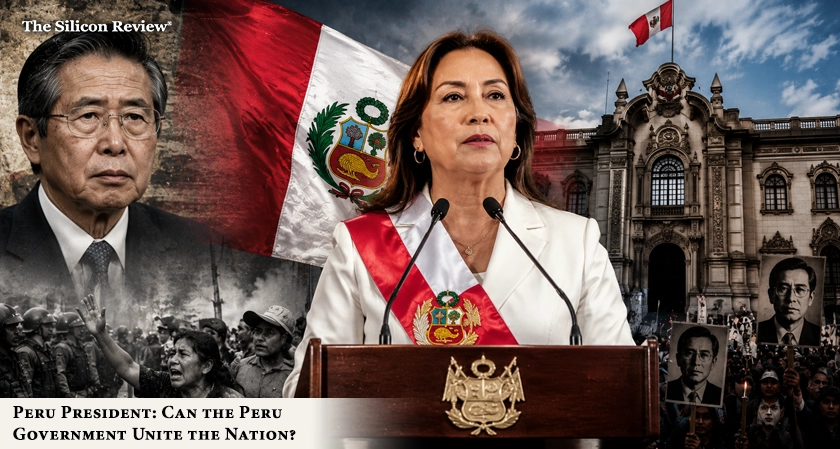
Peru has elected Keiko Fujimori as its new Peru president, bringing one of the country's most controversial political families back to power. But can the Peru government finally deliver stability, or is Peru walking back into the same political storm?
Peru has chosen its next Peru president, but the result has reopened old wounds instead of ending political uncertainty. Keiko Fujimori narrowly defeated left-wing rival Roberto Sanchez in one of the closest elections in the country's history, returning the Fujimori name to the presidential palace more than two decades after her father's dramatic fall from power.
The victory was razor-thin, with fewer than 50,000 votes separating the two candidates out of more than 18 million ballots cast. The result reflects a country split almost down the middle.
Did Peru vote for change, or simply bring back a name it never truly left behind?
The new Peru government steps into office carrying enormous pressure. Peru has burned through eight presidents in just ten years, while violent crime, extortion gangs, and political chaos have pushed public trust to record lows. Fujimori has promised to restore "order and hope," vowing tougher action against criminals and stronger leadership. But many Peruvians remain unconvinced.
"Each time we draw closer to starting on the path of order and hope for all Peruvians," Peru President-elect Keiko Fujimori wrote on X after being officially declared the winner.
For supporters, she represents experience and stability. For critics, she represents the return of a political dynasty that still casts a long shadow over the country.
Can the Peru president promise a fresh start while carrying one of Peru's most divisive political legacies?
The debate centers on the legacy of her father, Alberto Fujimori, who ruled Peru from 1990 to 2000. He was praised for defeating Maoist insurgents and bringing runaway inflation under control. But his presidency ended in disgrace after convictions for corruption and human rights abuses, leaving behind a legacy that continues to divide the nation.
That history now follows Keiko Fujimori into office.
Adding to the tension, Roberto Sanchez has questioned the election outcome, alleging irregularities in overseas voting and refusing to immediately recognize the result. His claims have only deepened concerns over whether the country can move beyond another bitter election.
How can the Peru government unite the country when so many refuse to trust the result?
Fujimori has promised dialogue and says her government will listen to every side. Yet promises alone will not erase years of instability, political infighting, and public frustration.
As the new Peru president prepares to take office, Peru faces a defining test. The Silicon Review Asks Will this be the beginning of lasting stability, or has the Peru government simply reopened one of the most controversial chapters in the nation's history?
FAQ:
Q: How close was the Peru presidential election?
A: Keiko Fujimori won by fewer than 50,000 votes out of more than 18 million ballots, making it one of Peru's closest presidential elections.
Q: When will the new Peru president take office?
A: The Peru president is expected to take office on July 28 for a five-year term.
Q: Why is the Fujimori name significant in Peru?
A: The Fujimori family has shaped Peruvian politics for decades. While many credit Alberto Fujimori with defeating insurgents and stabilizing the economy, others criticize his record on corruption and human rights.
Q: Who was Keiko Fujimori's main opponent?
A: Keiko Fujimori defeated left-wing candidate Roberto Sanchez in the presidential runoff.
Q: Why does the Peru government face pressure immediately?
A: Peru has seen frequent leadership changes, rising organized crime, and declining public confidence, leaving the new Peru government under pressure to deliver quick results.
Q: Has the election result been accepted by everyone?
A: No. Roberto Sanchez questioned the handling of overseas votes and initially refused to recognize the election outcome.












Comments