>>
Industry>>
Lifestyle and fashion>>
What Your Clothes Say Before Y...What Your Clothes Say Before You Even Speak
The Silicon Review
10 June, 2026
Author:
Guest
Most people like to believe first impressions are built through conversation. We tell ourselves that personality, intelligence, humor, and character reveal who we really are. While that may be true over time, the reality is that people begin forming opinions long before introductions happen.
Whether someone walks into a meeting, attends a social event, enters a restaurant, or joins a gathering of strangers, clothing becomes part of the silent conversation. People notice effort, attention to detail, confidence, and self-awareness before a single word is exchanged. Clothing does not determine who a person is, but it often influences how others initially interpret them.
The Language of Effort
One of the strongest messages clothing communicates is effort. People instinctively recognize when someone appears intentional about their appearance. That does not necessarily mean expensive clothing or luxury brands. Instead, it often means wearing items that fit properly, suit the occasion, and appear well cared for.
A person wearing clean, coordinated clothing often appears more organized and reliable than someone whose outfit feels careless or rushed. Even when those assumptions are inaccurate, they still occur. Human beings constantly look for shortcuts when evaluating unfamiliar situations, and appearance becomes one of those shortcuts.
The interesting part is that effort tends to be noticed more than fashion itself. Most people cannot identify specific brands, but they can recognize when someone appears comfortable, prepared, and confident.
Comfort Often Signals Confidence
People tend to focus on what clothing looks like, but how clothing feels can be just as important. Uncomfortable clothing often changes posture, body language, and behavior. Someone constantly adjusting sleeves, collars, or waistbands may appear distracted or uneasy.
This is one reason classic wardrobe pieces remain popular year after year. A well-made beige cardigan mens can project a sense of ease and confidence without appearing overly formal or attention-seeking. The person wearing it may simply look comfortable in their environment, which often creates a stronger impression than an outfit designed purely to attract attention.
Confidence rarely comes from trying to stand out. More often, it comes from feeling comfortable enough to focus on the people and experiences around you rather than worrying about what you're wearing.
Different Environments Create Different Expectations
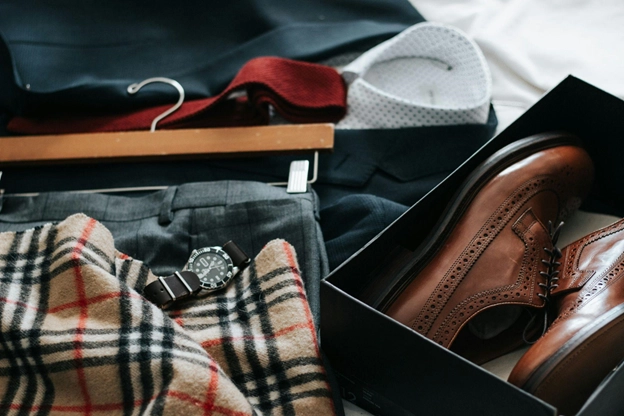
Clothing also communicates an understanding of context. What works at a weekend gathering may feel completely out of place during a formal celebration. Likewise, a business event often requires a different approach than a casual dinner with friends.
People naturally evaluate whether someone understands the environment they are entering. When clothing feels appropriate for the occasion, it signals social awareness. When it feels disconnected from the setting, it can create distraction.
This does not mean following rigid fashion rules. Modern style has become more flexible than ever. However, understanding expectations remains valuable because it demonstrates consideration for the people and situations around us.
Why Details Matter More Than Trends
Fashion trends come and go, but details tend to leave longer-lasting impressions. The condition of shoes, the fit of a jacket, the quality of fabrics, and the overall coordination of an outfit often influence perception more than whatever happens to be fashionable at the moment.
Many people spend significant time chasing trends while overlooking fundamentals. Yet the individuals who consistently appear polished usually focus on consistency rather than novelty. Their clothing choices feel intentional rather than reactive.
Small details also communicate personality. Some people prefer traditional styles. Others gravitate toward modern silhouettes or bold colors. Those preferences become part of a person's visual identity and contribute to how others remember them.
Clothing and Personal Identity
What we wear often reflects how we see ourselves. Someone who values practicality may prioritize durability and comfort. Someone attending important events may invest more attention in formal attire. Neither approach is inherently better; they simply communicate different priorities.
For many people, clothing becomes a way to align external presentation with internal identity. Formal pieces from collections such as https://designerchurchsuits.com/ usually appear at weddings, celebrations, religious gatherings, and milestone events where people want their appearance to reflect the importance of the occasion.
The clothing itself may not create confidence, but it can reinforce how someone wants to present themselves during meaningful moments.
The Impression That Stays Behind
Interestingly, people rarely remember entire outfits. Instead, they remember impressions. Someone seemed approachable. Someone appeared professional. Someone looked confident. Someone felt trustworthy.
Those impressions are usually created through dozens of small visual signals working together. Clothing becomes one part of that equation alongside posture, facial expressions, tone of voice, and behavior.
The goal is not perfection. Most people are not judging every detail of an outfit. Instead, they are responding to the overall message being communicated. When clothing feels authentic, appropriate, and comfortable, it tends to support positive impressions naturally. Before any conversation begins, those silent signals have already started speaking.