>>
Technology>>
Software>>
Why Browser-Based File Tools A...Why Browser-Based File Tools Are Replacing Enterprise Software
The Silicon Review
18 June, 2026
Author:
Guest
The architecture of corporate productivity is undergoing a quiet but massive shift. For decades, the standard playbook for enterprise file management, conversion, and modification was built on a single, rigid foundation: heavy desktop software. If an employee needed to compress a batch of PDF documents, edit a vector graphic, or convert a complex spreadsheet, the process was predictable, slow, and expensive. It involved purchasing individual user licenses, waiting for the IT department to approve and deploy the software, and dealing with periodic, disruptive system updates.
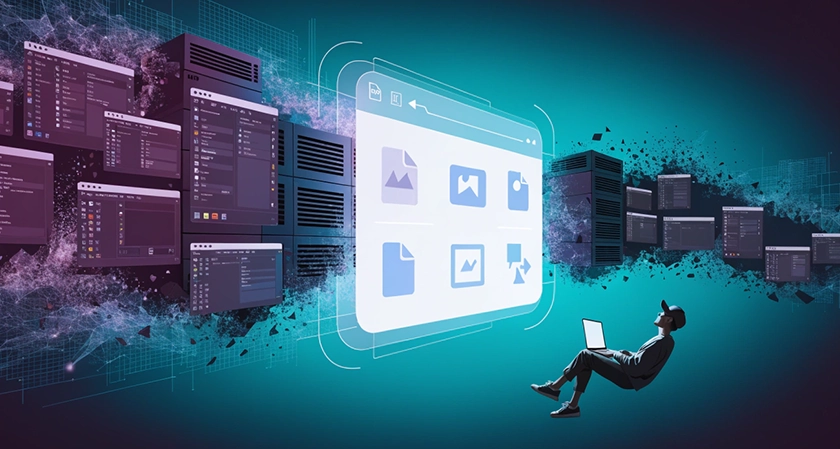
Today, that traditional model is rapidly crumbling. Modern business operations move too fast to be restricted by the bottleneck of local software installations. IT decision-makers and progressive business leaders are increasingly shifting their strategies toward lightweight, browser-based alternatives. The era of the heavy desktop suite is ending, replaced by an agile ecosystem of web tools that run instantly in any browser tab, require zero local footprint, and deliver immediate operational efficiency.
The High Financial and Operational Cost of Legacy Desktop Software
To understand why corporations are abandoning traditional desktop applications, one must look closely at the hidden overhead costs associated with them. The true expense of enterprise software extends far beyond the initial purchase price or subscription fee. Legacy systems demand substantial internal resources simply to remain operational and secure across a large organization.
First, there is the massive burden placed on internal IT support desks. Every local installation represents a potential point of failure. Employees frequently open IT tickets for software crashes, installation errors, font compatibility issues, and registry conflicts. Furthermore, managing software versions across a hybrid or remote workforce is an absolute logistical nightmare. When half of a team is running an outdated version of a file processor while the other half has updated to the latest release, file corruption and collaboration barriers are inevitable. Browser-based tools completely eliminate these friction points by ensuring every user globally is always interacting with the exact same, up-to-date version of the software.
Zero Installation: The Power of Instant Workflows
In a highly competitive corporate landscape, speed and agility are critical differentiators. When a team member is finalizing a multi-million dollar proposal or preparing a client presentation under a tight deadline, they cannot afford to wait forty-eight hours for an IT administrator to approve a software license and install a local application.
The modern workforce expects immediate solutions to tactical problems. Browser-based file tools fulfill this expectation perfectly by shifting the entire computational workload from the user's local hardware to secure cloud environments. An employee can simply open a web browser, upload a document, execute the required task—whether it is merging documents, protecting a file with encryption, or converting formats—and download the completed asset within seconds. This frictionless approach drastically increases daily operational velocity, enabling teams to execute micro-tasks instantly without interrupting their primary workflows.
Overcoming the Licensing Overhead and Financial Waste
From a financial perspective, traditional enterprise software licensing structures are inherently inefficient. Many software giants force corporations into complex, long-term contracts packed with bloated feature sets that the vast majority of employees will never actually use. Organizations routinely pay for premium, all-inclusive software suites when their staff members merely require basic file adjustments or quick format conversions.
This mismatch between software capability and actual user need results in massive capital waste. Forward-thinking Chief Information Officers (CIOs) are audited on software utilization rates, and the data is clear: paying for heavy desktop seats for every single corporate employee is no longer financially justifiable. Transitioning to accessible, on-demand web applications allows businesses to drastically lower their software overhead, freeing up crucial budget space for strategic investments rather than wasting money on idle software licenses.
Modern Security Standards and Browser Reliability
Historically, the primary argument against using web-based tools for corporate document management was data security. Legacy IT professionals were hesitant to let sensitive company data leave the local machine, preferring the perceived safety of an internal hard drive. However, the rapid advancement of cloud security frameworks and browser architecture has completely flipped this dynamic.
Modern web browsers are incredibly secure, sandboxed environments. Furthermore, leading web platforms operate on strict data privacy protocols, processing files in real-time and permanently wiping them from cloud servers immediately after execution.
Democratizing Technology: A Look at Modern Tooling Shifts
This transition toward web-based infrastructure is not just a theoretical concept; it is actively reshaping how daily tasks are managed across global industries. We see organizations replacing bulky media editors with web-based design platforms, shifting from local spreadsheets to collaborative online documents, and substituting native file managers with versatile browser utilities.
A prime example of this industrial transformation in action can be observed through the adoption of Documents.io's tools. Platforms like this embody the exact principles of the modern, agile enterprise: completely removing barriers to productivity by providing instantly accessible, high-performance file management solutions directly inside the web browser. Users do not need to read complex instruction manuals, navigate corporate procurement procedures, or enter license keys. The utility is there when needed, performs the task flawlessly with clean design, and demands absolutely nothing from the user's local operating system or hardware resources.
Key Benefits Driving the Transition to Browser Tools:
- True Cross-Platform Compatibility: Web tools perform identically whether an employee is operating on Windows, macOS, Linux, or a mobile operating system.
- Reduction in IT Tickets: Zero software installation means zero local bugs, drastically reducing the burden on internal corporate help desks.
- Instant Scalability: A company can scale from ten users to ten thousand overnight without deploying a single line of code or managing internal software rollouts.
- Reduced Hardware Dependency: Shifting processing demands to the cloud means companies no longer need to purchase ultra-expensive, high-spec laptops for standard office personnel.
The Future of Enterprise Infrastructure is Lightweight
As remote and hybrid work models become permanently embedded in global corporate culture, the dependency on heavy, centralized desktop infrastructure will continue to decline. The future belongs to decentralized, ultra-accessible, and highly secure software environments that adapt to the user's location and device rather than forcing the user to adapt to the software's restrictions.
Business leaders who proactively audit their software portfolios and transition away from bloated legacy systems stand to gain a massive competitive edge. They benefit from significantly reduced operational costs, happier and more autonomous employees, and an IT infrastructure that is agile enough to respond to changes in real-time.
Conclusion
The argument for heavy, local enterprise software is losing ground every single day. The combination of high licensing overhead, intense IT maintenance demands, and systemic workflow bottlenecks makes legacy software a liability rather than an asset in the modern digital economy.
By embracing lightweight, browser-based alternatives, organizations unlock a level of operational freedom that was previously impossible. The transformation is already well underway, and companies that prioritize instant, accessible web utilities over outdated desktop programs are positioning themselves to lead the next generation of digital business efficiency.




















Comments