>>
Industry>>
Automotive>>
Evaluating Whether Yokohama Ti...Evaluating Whether Yokohama Tires Live Up to Their Reputation
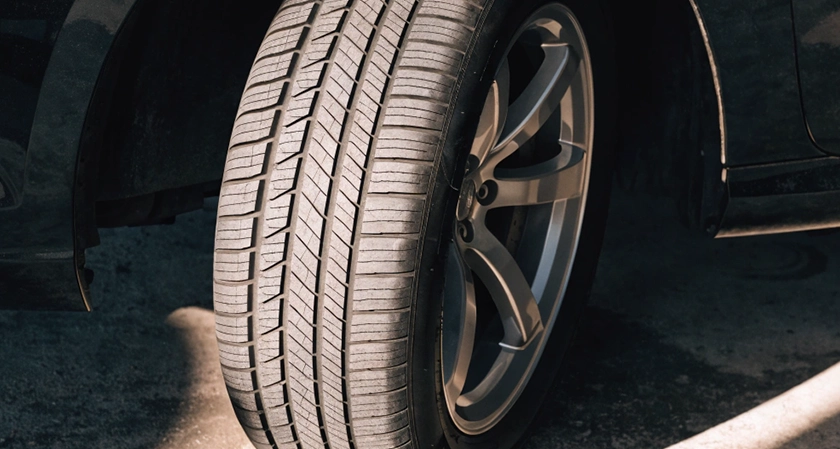
Tire shoppers often hear that Yokohama balances grip, comfort, and price better than many rivals. That claim deserves a closer look, because tire quality shows up in braking, heat control, treadwear, cabin noise, and seasonal behavior. Catalog breadth also matters. A fair verdict comes from measurable signals, not reputation alone. With that standard in place, the current lineup gives enough evidence for a clear, practical assessment.
Brand Snapshot
For those asking, “Are Yokohama tires good?” assess them through listed sizes, use cases, and price bands rather than sales language. The catalog covers passenger cars, sport coupes, crossovers, pickups, and larger utility vehicles. Entry pricing starts near $178 for an all-terrain option, while top summer fitments exceed $465. That spread indicates broad reach, not a narrow specialty focus.
UTQG Signals
Uniform Tire Quality Grading figures offer one of the clearest clues. Listed treadwear values run from 280 to 800, depending on purpose. Lower numbers usually favor grip and steering feel. Higher figures often suggest longer usable life under routine commuting. Touring products sit farther up that scale, while summer performance choices remain lower, which aligns with the expected trade-offs between adhesion and longevity.
Dry and Wet Grip
Traction grades on the page range from B to AA, depending on the category. Stronger ratings appear on several performance and all-season products, which support confidence under wet braking. Temperature grades stay largely within A and B, a useful sign for heat management during sustained highway travel. None of those marks promise perfect behavior, yet they do show competence where safety concerns carry real weight.
Quiet Road Behavior
Comfort matters just as much as cornering for many households. Road noise, tread vibration, and impact harshness shape how a vehicle feels during daily use. The catalog description points to quiet running and stable handling, especially in touring or highway-oriented choices. Firmer sport tires usually bring more cabin sound, so buyer satisfaction depends heavily on matching the tread pattern to the actual driving routine.
Off-Road Choice
The lineup extends well beyond paved commuting. Its truck and utility family includes all-terrain, extreme-terrain, and mud-focused options, giving owners room to choose by surface and duty cycle. An all-terrain version starts at around $178.01, while a more aggressive X-AT starts at around $234.99. Those figures place the brand in a competitive middle tier, where many shoppers expect honest capability without high cost.
Model Examples
One mud-terrain option also carries a rebate of up to $80 during the offer window. Savings help, though fit matters more than discounts. An all-terrain tire usually suits mixed use better than a mud pattern, which can generate more noise and faster wear during steady pavement miles. Selection should follow terrain, weather, and daily mileage.
Performance Credentials
Enthusiast buyers will usually look to the ADVAN family first. One street-focused summer model starts around $180.99 and covers wheel sizes from 15 to 20 inches, which keeps fitment broad. Higher-end sport options rise above $465.15 per tire. That pricing shows the company can serve modest-budget and premium-performance demands within the same range, without forcing every buyer into a single bracket.
Price Versus Lifespan
Value is rarely about sticker price alone. A tire that costs less upfront can become expensive if its tread depth wears out early or wet braking performance declines with age. Here, the catalog suggests a favorable balance between purchase cost and service life, especially in touring and all-season categories. Proper inflation, rotation, alignment, and load control still determine whether that value appears on the road.
Limits To Note
No tire maker fits every driver equally well. Several sport-oriented choices give up tread life for sharper response. More aggressive off-road patterns can raise cabin noise and reduce ride smoothness. Some categories also lack direct UTQG comparisons, particularly mud-terrain products. Drivers who face heavy snow or repeated exposure to ice may still need a dedicated winter setup rather than a general all-season solution.
Best Fit Buyers
This lineup makes the strongest case for drivers who want balanced performance rather than one extreme trait. Commuters, families, pickup owners, and weekend back-road drivers can each find a sensible match. It looks less compelling for shoppers who care only about the lowest upfront cost or the longest possible tread life. For the large market, the range appears broad, credible, and thoughtfully segmented.
Conclusion
Measured by listed grades, category depth, and current pricing, the reputation holds up better than marketing alone would suggest. Strong traction marks, wide treadwear spread, and coverage across touring, off-road, and sport segments support a favorable judgment. The better conclusion is careful rather than glowing. These tires look like a sound option for many vehicles, provided the selected model matches climate, surface, and driving style.













Comments