>>
Industry>>
Banking and insurance>>
Faster Transactions Are Drawin...Faster Transactions Are Drawing Users Toward Bitcoin Payments
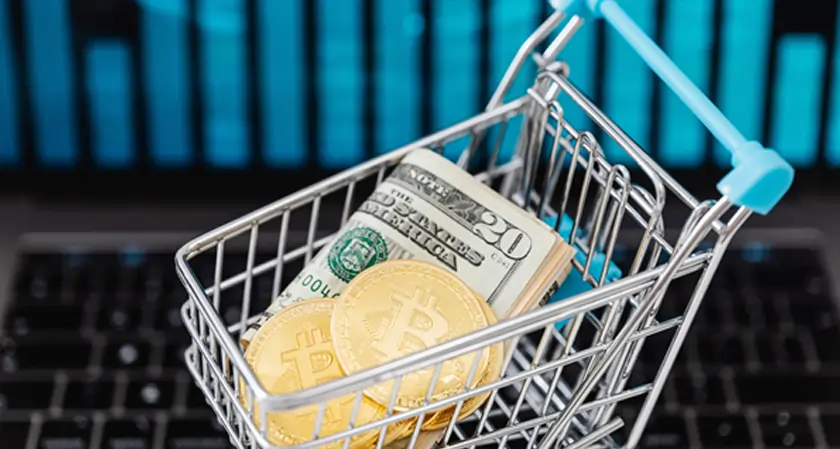
A lot of consumers are looking for quickness when they make payments in current times. After all, users want to make the transaction as quickly as possible while they are on the go. Whether they are making a purchase online or trying to move money to friends or family, they are looking for quicker ways to make transactions.
One payment method that is becoming more popular is Bitcoin transactions. It has expanded over the last couple of years, with statistics finding that over 400 million people globally are using cryptocurrency instead of other methods.
Bitcoin has become a digital currency that individuals are using more to make payments and receive money in the digital world. In fact, a lot of people are wondering how can I pay with Bitcoin to make an effective and quick payment. Here is our guide to how faster transactions are drawing users towards Bitcoin payments in their day-to-day life.
How are transactions getting faster?
With Bitcoin growing as an online digital currency, transactions have had to be improved to ensure it’s reliable and convenient for its users. It can take several minutes, if not longer, for a payment to go through depending on the network traffic. Therefore, to ensure consumers have a convenient transaction, the technology for Bitcoin payments has to evolve.
Bitcoin’s technology is being updated to make transactions easy for its users. They use blockchain technology, which has benefits for users and helps to make the process a lot quicker. They have a peer-to-peer network, which means the computers connect directly without the need for a third party. This solves the issue of needing a bank to deal with the transactions, which can save time and money.
With this peer-to-peer network, the transaction can occur smoothly while keeping the costs low for all parties involved.
In addition, they are also now using the Lightning Network, which has also made the transactions much faster. The Lightning Network creates off-chain payment channels between users, allowing transactions to occur instantly without requiring a blockchain confirmation for each individual payment. The blockchain is used to open and close these channels, while activity between those two points settles off-chain at much higher speed.
This new lightning network works along the Bitcoin blockchain and helps to reduce traffic through the network, meaning that users can send and receive Bitcoin much quicker, making it much more convenient for daily use.
Merchants are accepting these payments
Another reason why users are moving towards Bitcoin is that more merchants now are offering this as an option. More retailers and online websites now accept Bitcoin payments, and this has enabled more companies to use this as a currency and to make transactions.
Major companies now accept it as a currency, including Microsoft. In addition, there are now platforms which enable you to swap the currency for a gift card that retailers accept, or add it to an app such as through Oobit, and then you can pay in-store or online retailers using this app.
Cheaper transaction costs
When a person pays a business, there are often transaction costs involved. For instance, paying an international business or receiving money, can lead to charges from the bank. With Bitcoin transactions, the cost can be reduced in some cases. Companies can convert it as necessary into their local currency, so this makes it more appealing to them, especially when they have international customers.
This not only saves money for businesses and workers who work in an international setting, but it makes the transaction smoother and cheaper all round, ultimately giving a faster transaction period. Sole traders are using it more too when working with international clients so they don’t face large charges.
What This Means for Everyday Transactions
A benefit to Bitcoin payments as well is that it offers an easy route to moving money without the need for a bank. Cutting out this middle point makes the transaction much faster and easier, giving those businesses and individuals better access to their money. They can easily transfer the Bitcoin currency, making for a smoother and faster transaction.
With these transactions done digitally, it is even easier and more convenient in the modern world. With a large majority of people now using platforms such as Oobit, this allows them to make transactions on their phone much more easily with the mobile app and enables them to pay any retailer or business that uses Visa.
Bitcoin transactions are now a lot faster but also offer high security while making the payments. The transaction uses crypto, which prevents fraud and can enable people to make payments safely as well as quickly.













Comments