>>
Industry>>
Healthcare>>
GLP-1 Drugs Are Making Revolut...GLP-1 Drugs Are Making Revolution in Healthcare, Is Health Insurance Cost Becoming the Biggest Enemy of Innovation?
The Silicon Review
13 July, 2026
Author:
Jishnuu
GLP-1 drugs are transforming weight loss and reshaping modern healthcare, but millions are still locked out by insurance barriers. As CVS Health CEO David Joyner warns that costs remain too high and savings uncertain, Is price becoming the biggest obstacle to a medical revolution?
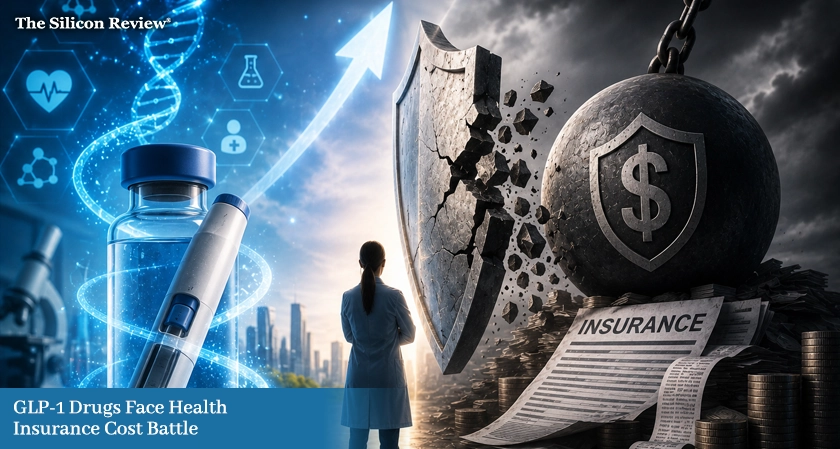
GLP-1 drugs have sparked a healthcare revolution, promising major weight loss and better health outcomes. But as demand explodes, health insurance providers are pushing back over costs and evidence. Who decides access to life-changing medicine?
David Joyner, CEO of CVS Health, which owns Aetna insurance, says employers are not ready to pay the enormous costs of covering these drugs. While many experts believe GLP-1 treatments could improve long-term health, Joyner argues that current evidence has not proven they will save enough money to justify today's prices.
Can healthcare innovation survive if patients cannot afford access?
Joyner said the biggest challenge is the price tag. Drugs from Eli Lilly and Novo Nordisk, including popular GLP-1 treatments, have list prices above $1,000. Even after discounts negotiated by pharmacy benefit managers, employers say the cost remains too high as they already struggle with rising healthcare expenses.
CEO David Joyner said. “Everybody intuitively believes these medications create long-term health benefits, but the evidence hasn’t yet demonstrated that paying today’s prices generates enough downstream savings,” Joyner added "The economics simply aren’t there yet"
Are insurers protecting healthcare budgets, or protecting profits?
Supporters of GLP-1 drugs argue that wider coverage could help reduce obesity-related conditions, including heart disease, high blood pressure, and cholesterol problems. They believe early investment could lower future medical costs.
But insurers want stronger proof before committing billions of dollars.
The controversy highlights a bigger problem inside the US healthcare system. Patients often face high prices, complicated insurance rules, and disconnected medical records. Joyner said improving technology and using artificial intelligence could make healthcare more efficient and easier for patients to navigate.
CVS Health itself has faced criticism because it operates across insurance, pharmacies, and healthcare services. Critics question whether such integration creates conflicts of interest. Joyner rejected those concerns, saying the model helps lower costs and improve efficiency.
The fight over GLP-1 drugs is becoming a test of the entire health insurance system. As demand continues to rise, The Silicon Review asks are insurers making a smart financial decision, or blocking millions from a medical breakthrough because of cost?
FAQ:
Q: What are GLP-1 drugs?
A: GLP-1 drugs are medications designed to help with weight loss and improve conditions linked to obesity, including diabetes, heart disease risks, and metabolic problems.
Q: Why are GLP-1 drugs facing health insurance coverage challenges?
A: Health insurance providers say the high cost of GLP-1 drugs and limited proof of long-term healthcare savings make broad coverage difficult.
Q: Why are GLP-1 drugs so expensive?
A: Popular GLP-1 treatments from companies like Eli Lilly and Novo Nordisk have list prices that can exceed $1,000, creating major cost concerns for employers and insurers.
Q: What did CVS Health CEO David Joyner say about GLP-1 drug coverage?
A: David Joyner said the current economics do not justify widespread coverage because evidence has not yet shown enough long-term savings from these medications.
Q: Could GLP-1 drugs reduce healthcare costs in the future?
A: Supporters believe GLP-1 drugs could lower costs by reducing obesity-related conditions such as heart disease, high blood pressure, and cholesterol problems.
Q: Why are insurers demanding more evidence?
A: Insurers want stronger proof that covering expensive GLP-1 drugs today will reduce future medical expenses and improve overall healthcare outcomes.
Q: What role does CVS Health play in the GLP-1 drugs debate?
A: CVS Health, which includes Aetna insurance and pharmacy services, is involved in decisions about healthcare costs, coverage, and access to medications.
Q: Are GLP-1 drugs changing the healthcare industry?
A: Yes. GLP-1 drugs are creating a major shift in weight management treatment while raising new debates about affordability, insurance coverage, and medical innovation.




















Comments