>>
Other>>
Politics>>
Iran Nuclear Talks Under Fire:...Iran Nuclear Talks Under Fire: US President Trump Threatens to Bomb Bridges and Power Plants Unless Tehran Returns to Negotiations, Is US Really Seeking Peace?
The Silicon Review
15 July, 2026
Author:
Jishnuu
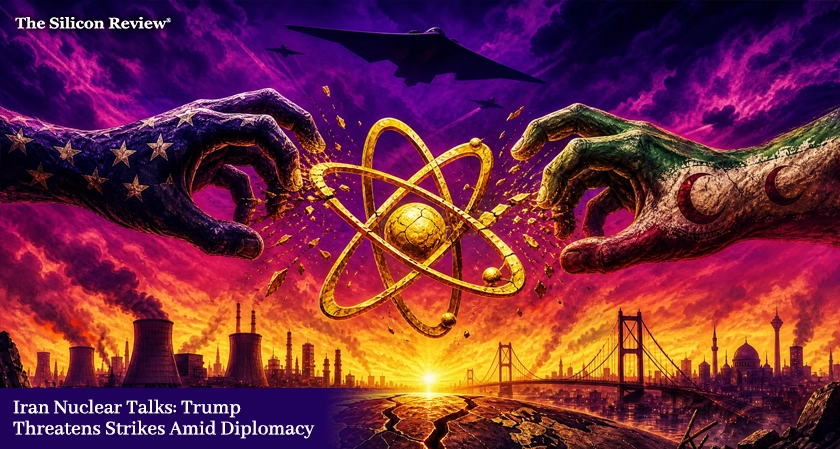
US President Donald Trump has threatened to bomb Iran's bridges and power plants unless Tehran resumes Iran nuclear talks, despite ongoing negotiations. As diplomacy and military action collide, are international relations entering one of their most dangerous and contradictory phases in years?
Peace talks are on the table, but so are bombs. As Iran nuclear talks continue, President Donald Trump is threatening to strike Iran's bridges and power plants unless Tehran falls in line. Is this hard diplomacy or a dangerous gamble that could ignite a bigger conflict? If the goal is a deal, why does the message sound like war?
Trump's latest remarks have put the spotlight back on Iran nuclear talks, even as Washington and Tehran remain engaged in negotiations aimed at ending months of military confrontation. Speaking in an interview with Fox News, Trump said US strikes would continue "until I say it's enough" and refused to rule out attacks on critical infrastructure or even a limited ground campaign. At the same time, he claimed American officials had reached out to Iran, urging its leaders to make a deal.
"They'll continue until I say it's enough. You know the word the military likes to use is degrade. They've been degraded to a very low level,” US President Trump said.
US Central Command (CENTCOM) confirmed another seven-hour wave of attacks on dozens of Iranian military positions near the Strait of Hormuz, saying the strikes were intended to reduce Iran's ability to threaten commercial shipping. Washington has also resumed its naval blockade around Iranian ports, increasing pressure on Tehran while negotiations remain active.
Can peace survive when missiles become part of the conversation?
CENTCOM has also accused Iran of attacking seven commercial ships over the past week, leaving several civilian crew members dead, injured, or missing. The US says its military response is necessary to protect international shipping and regional stability. Iran, however, continues to reject the accusations and has condemned the American military campaign.
The consequences stretch far beyond the Middle East. The Strait of Hormuz handles a significant share of the world's oil trade, meaning every new strike has the potential to disrupt energy supplies, shake financial markets, and deepen uncertainty in international relations.
For now, Iran nuclear talks remain alive but they are being tested by growing military pressure, rising mistrust, and increasingly aggressive rhetoric. Diplomats continue to negotiate, while military commanders prepare for the next strike.
As the world watches peace talks unfold alongside military operations, The Silicon Review asks If America truly holds the strongest negotiating position, why does it still need to threaten bombs to keep Iran at the table and does that expose strength, or the limits of its leverage?
FAQ:
Q: What are the Iran nuclear talks?
A: The Iran nuclear talks are negotiations between the United States and Iran aimed at limiting Iran's nuclear activities in exchange for sanctions relief and reducing regional tensions.
Q: Why did President Trump threaten Iran?
A: Trump warned that the US could target Iran's bridges and power plants if Tehran refuses to return to negotiations or fails to meet American demands.
Q: Are the Iran nuclear talks still ongoing?
A: Yes. Despite continued military strikes and heightened tensions, diplomatic negotiations between Washington and Tehran are still underway.
Q: Why is the Strait of Hormuz important?
A: The Strait of Hormuz is one of the world's busiest oil shipping routes. Any conflict there can disrupt global energy supplies and increase oil prices.
Q: What role is CENTCOM playing in the conflict?
A: US Central Command (CENTCOM) is leading American military operations, including airstrikes and naval actions targeting Iranian military capabilities.
Q: How could this affect international relations?
A: Continued escalation could strain international relations, increase instability in the Middle East, impact global markets, and make future diplomatic agreements more difficult.
Q: Why are experts questioning Trump's strategy?
A: Critics argue that threatening military action while pursuing Iran nuclear talks sends mixed signals and could weaken trust needed for successful negotiations.




















Comments