>>
Industry>>
Construction>>
The Skilled Labor Crisis Is Sh...The Skilled Labor Crisis Is Shaping the Future of Housing, Jeannine Clark Urges For Structural Change

A housing crisis usually gets measured in dollars and square footage, but Jeannine Clark of Access Design + Build measures it in crooked walls. In her view, less attention is given to the skilled labor crisis that continues to influence how homes are built and how well they perform over time. Recent news shows that the US construction sector will need to attract approximately 456,000 new workers by 2027 to keep pace with demand. This places renewed attention on the importance of trade education and workforce development.
Clark believes the discussion deserves to go much further than filling vacant positions. As a designer and builder with extensive experience in residential construction, she argues that the shortage of skilled tradespeople is affecting the quality and adaptability of modern homes. From the materials selected on site to the way homes support people throughout different stages of life, she maintains that craftsmanship is one of the industry’s most valuable assets.
She explains, “The backbone of how you get better workers has always been apprenticeship. You have experienced tradespeople training the next generation, and there’s an equal investment from the employer and the employee.” Clark believes those mentorship pipelines have steadily weakened over recent decades while large production builders have increasingly prioritised predictable profits over craftsmanship. She argues that this shift has encouraged faster construction methods, greater reliance on inexperienced labour, and reduced attention to the finer details that determine whether a home performs well years after completion.
Material quality compounds the challenge. Clark explains that even before construction begins, builders may receive lumber that falls below the standards required for precise framing. Responsible contractors often reject those materials, but she believes some developments may continue using them to maintain construction schedules.
“First, you’ve got the boards, then you’ve got people who aren’t picking the right boards, then you’ve got people who don’t know how to put the boards straight,” she says. “It just cascades down the line.”
She believes many buyers never realise that those seemingly minor compromises can gradually evolve into cracked drywall, uneven windows and doors, and other deterioration that require continual repairs. Those maintenance demands often create greater financial pressure than homeowners anticipated when purchasing a newly built property.
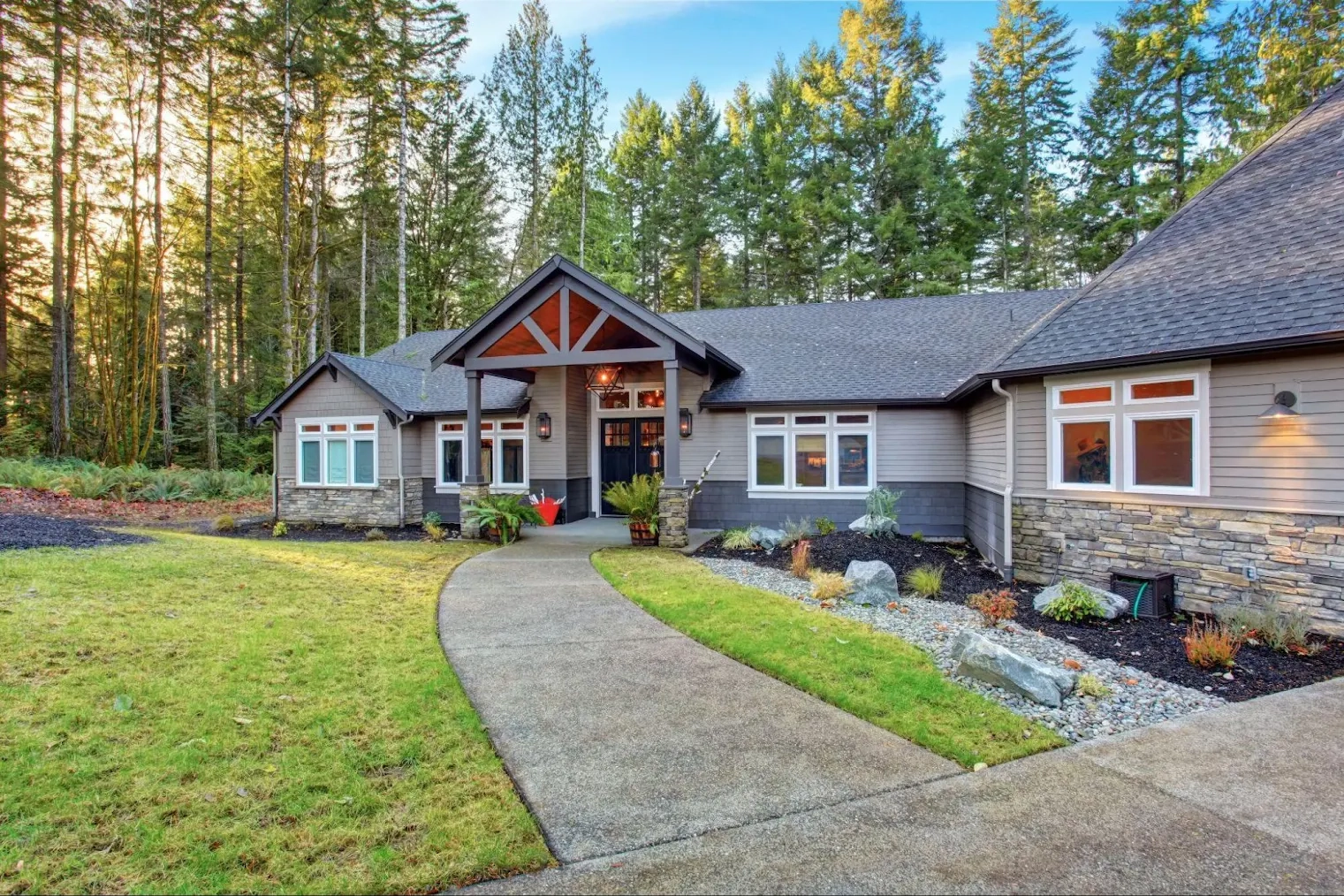
The burden may become even heavier for older adults and people living independently with mobility challenges. Clark believes recurrent maintenance can create additional barriers, such as inflated pricing, for homeowners who already depend on outside assistance for everyday services.
Accessibility, she argues, cannot be separated from construction quality because every accessible feature depends upon sound structural workmanship. “Wherever you anchor your grab bars, that needs to be stable. If everything is aligned correctly, it reduces potential failures,” she says. Stable construction, she insists, reduces unnecessary stress on fixtures while allowing accessible features to remain secure throughout daily use.
Clark believes universal design offers the strongest framework for future residential construction because it considers how homes serve people throughout every stage of life instead of responding only after accessibility needs emerge. Accessible design, she argues, should begin with high-quality construction that creates durable, adaptable spaces from the outset. “Universal design is the foundation. Anybody from the age of eight to eighty should be able to comfortably operate regular daily tasks in that environment,” she says.
Housing, however, is also evolving alongside society. According to Clark, multi-generational households have become more common as populations continue to age, causing more homeowners to seek spaces that can accommodate changing needs without requiring costly renovations. She believes the construction industry has been slow to respond because too many projects remain driven by standardised models that overlook long-term functionality.
She argues that homes are based on fixed floor plans and predetermined square footage. In that context, she believes a more regional approach would allow builders to better understand local demographics and create housing that reflects the realities of each community instead of relying on one-size-fits-all developments.

She also points out that emerging construction technologies also deserve careful consideration. While innovations such as 3D-printed concrete homes tend to offer faster delivery and lower construction costs, she believes efficiency should never come at the expense of adaptability.
Printed concrete walls, she explains, can permanently lock the infrastructure, making future renovations significantly more difficult. As families grow older or mobility needs change, those homes may offer far less flexibility than those designed with future modifications in mind.
She argues that solving the skilled labour crisis requires more than recruiting additional workers. In her view, society must also restore respect for skilled trades by recognizing the expertise required across every stage of construction. “There is a lot of skill and physical intelligence that goes into this work,” Clark says. “People need to give the trades more credit for what they actually do.”
She also advocates for stronger collaboration between designers, builders, suppliers, and tradespeople, along with greater investment in regional supply chains that reduce transportation waste while improving material quality. Clark believes these improvements can strengthen construction standards without sacrificing profitability, provided the industry shifts its priorities toward creating homes that remain functional throughout their lifespan.
At the centre of every solution, however, sits design itself. Clark maintains that construction quality and long-term value all depend on decisions made before the first board is installed. Skilled execution will always matter, but she believes even the finest craftsmanship cannot compensate for plans that fail to consider how people actually live. Clark says, “A bad plan perfectly executed is still a bad plan. If it’s not designed to support everybody from a universal perspective, you’ve already limited what that home can become.”













Comments