>>
Technology>>
Software>>
The Role of Internet Protocol ...The Role of Internet Protocol Television in Modern Video Streaming
The Silicon Review
02 July, 2026
Author:
Guest
The digital entertainment industry has undergone a remarkable transformation over the last decade. Viewers are no longer limited to traditional television schedules or cable connections to access their favorite content. Instead, internet-powered technologies have enabled a more flexible and personalized viewing experience across multiple devices. One technology that has become increasingly significant in this shift is IPTV.
From live television channels and video-on-demand libraries to premium sports broadcasts and entertainment content, Internet Protocol Television has become an essential component of modern video delivery. As streaming ecosystems continue to expand, understanding how Internet Protocol Television fits into this landscape helps explain why it has become such an important part of digital media distribution.
What is Internet Protocol Television?
Internet Protocol Television, or IPTV, is a system that delivers television and video content through Internet Protocol networks rather than traditional cable, satellite, or terrestrial broadcasting methods.
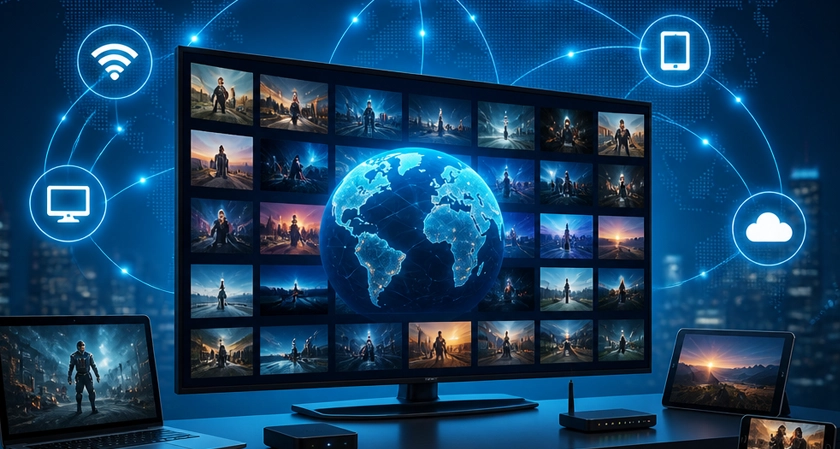
Instead of receiving television signals through conventional infrastructure, viewers access content through an internet connection. This allows media providers to distribute content directly to users on various devices, including smart TVs, smartphones, tablets, laptops, and streaming devices.
As internet connectivity has improved worldwide, Internet Protocol Television has gained popularity as a reliable and flexible method of content delivery.
How Internet Protocol Television Works
To understand the role of Internet Protocol Television in modern streaming ecosystems, it is important to understand how the technology functions.
The Internet Protocol Television process typically begins with content acquisition. Television channels, live broadcasts, movies, sports events, and other media assets are collected from content providers.
The content is then processed and prepared for digital distribution. Once optimized for streaming, it is delivered through internet networks to viewers who access the service through compatible devices.
Unlike traditional broadcasting methods that send the same signal to all viewers simultaneously, Internet Protocol Television enables content to be delivered through an internet-based infrastructure, creating a more dynamic viewing experience.
Why Internet Protocol Television has Become Important in Modern Streaming
The rise of digital consumption has significantly changed audience expectations. Modern viewers expect instant access to content across multiple devices without geographical or hardware limitations.
Internet Protocol Television addresses these expectations by offering a flexible framework for delivering video content through internet networks. This allows content providers to reach audiences more effectively while supporting a variety of viewing preferences.
As streaming platforms continue to expand their services, Internet Protocol Television helps bridge the gap between content providers and consumers by supporting efficient content delivery across connected environments.
Internet Protocol Television and the Video Streaming Ecosystem
The modern video streaming ecosystem consists of multiple interconnected elements working together to deliver content to audiences.
These elements include:
- Content creators
- Broadcasters
- Media distributors
- Streaming platforms
- Technology providers
- End users
Internet Protocol Television plays a central role within this ecosystem by enabling content distribution through internet-based networks. It acts as a delivery mechanism that helps connect content owners with viewers while supporting large-scale content accessibility.
Whether audiences are watching live sports, entertainment programs, news broadcasts, or subscription-based content, Internet Protocol Television contributes to the overall infrastructure that makes digital streaming possible.
Key Components of Internet Protocol Television Infrastructure
A successful Internet Protocol Television service depends on several essential components that work together to ensure smooth content delivery.
Content Management
Content management involves organizing, preparing, and maintaining video assets before distribution. This process ensures that media libraries remain accessible and structured.
Video Processing
Video content must be encoded and optimized for delivery across different devices and network conditions. Proper processing helps maintain playback quality and compatibility.
Delivery Networks
Delivery infrastructure is responsible for transporting content from providers to viewers. Efficient delivery systems help reduce interruptions and improve viewing experiences.
User Devices
Internet Protocol Television services support a wide range of devices, including smart televisions, smartphones, tablets, laptops, and streaming hardware. Device compatibility is critical for reaching diverse audiences.
Together, these components create a framework capable of supporting modern streaming demands.
Benefits of Internet Protocol Television for Content Providers
As competition in the digital media industry continues to increase, content providers seek solutions that support growth and audience engagement.
Expanded Reach
Internet-based delivery enables providers to distribute content across multiple regions and devices without relying solely on traditional broadcasting systems.
Scalability
Internet Protocol Television infrastructures can accommodate growing audiences and expanding content libraries, making them suitable for both emerging platforms and established media organizations.
Flexible Content Distribution
Providers can offer live television, subscription services, video-on-demand content, and premium broadcasts through a single ecosystem.
Improved Audience Accessibility
By supporting multiple devices, Internet Protocol Television allows organizations to connect with audiences wherever they choose to consume content.
These advantages have contributed to the growing adoption of Internet Protocol Television across the entertainment and media sectors.
Benefits of Internet Protocol Television for Viewers
Consumers also benefit significantly from Internet Protocol Television services. One of the most notable benefits is convenience. Viewers can access content using their preferred devices without being tied to traditional television equipment.
Internet Protocol Television also supports greater flexibility in content consumption. Audiences can explore various types of programming, including movies, television series, sports broadcasts, educational content, and live events. This accessibility helps create a more personalized viewing experience that aligns with modern consumer expectations.
Why Content Security Matters in Internet Protocol Television
Content protection plays a critical role in maintaining the integrity of Internet Protocol Television ecosystems.
Modern streaming platforms often rely on Digital Rights Management technologies to control how content is accessed and viewed. These systems help ensure that only authorized users can consume protected content.
Multi-DRM solutions further strengthen security by supporting protection across different operating systems, browsers, and playback environments.
These technologies help content providers safeguard valuable media assets while maintaining a seamless user experience.
Conclusion
As digital media consumption continues to grow, IPTV remains a vital part of modern video streaming ecosystems. Its ability to deliver content through internet networks supports greater accessibility, flexibility, and scalability for both providers and viewers. Combined with evolving security technologies and content protection measures, Internet Protocol Television continues to play an important role in shaping the future of digital entertainment and streaming services.
Providing enterprise-grade digital protection solutions globally, Doverunner is a security-focused platform providing advanced protection for digital content and mobile applications. Its services include multi-DRM, forensic watermarking, anti-piracy monitoring, and mobile app security, using technologies such as anti-tampering and runtime protection. It helps streaming platforms and enterprises safeguard content, prevent unauthorized access, and maintain secure distribution across multiple devices and global environments.




















Comments