>>
Industry>>
Lifestyle and fashion>>
Turning £89.99 Into 130% Of A...Turning £89.99 Into 130% Of A Month's Pay: The Hidden Cost Of A World Cup Shirt
The Silicon Review
17 July, 2026
Author:
Guest
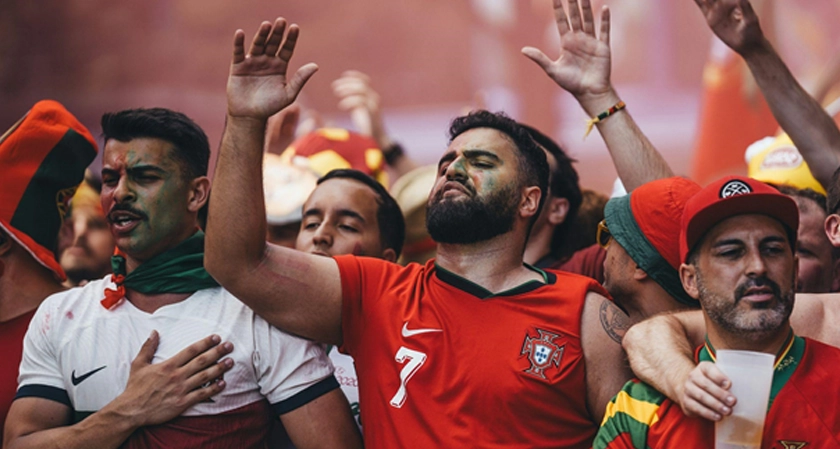
Every four years, fans do the same thing. They buy the new home shirt, pull it on, and wear it through the tournament. It feels like a small ritual. But research from Rotowire, home of the best PayPal casinos reviewed for US players, shows that “small” depends entirely on where you happen to live, and the gap between the cheapest and most expensive shirt in real terms is bigger than most fans would guess.
The World Cup Shirt Index 2026 compared the retail price of every qualifying nation’s home kit against average monthly wages in that country. A fan in Switzerland can cover the cost of their shirt with around two hours of work. A fan in DR Congo needs closer to 29 working days for the same purchase. Same tournament, same three manufacturers making most of the kits, wildly different price once you measure it in hours of a person’s life rather than dollars.
For a US audience following the build-up to a home tournament, the numbers are worth sitting with. Nike, Adidas and Puma between them supply 77% of the 48 qualified nations, a level of market concentration that would raise eyebrows in almost any other consumer category. Nike sits at the top. Replicas worn by 12 nations including England, France, Brazil and the USA retail at £89.99. Adidas covers 14 teams at £84.99. Puma kits 11 nations from £76.99. Below them, smaller manufacturers including Saeta, 7Saber and Tempo sell kits for less than half the Nike price, but they cover a small fraction of the field between them.
Prices have also climbed sharply since the last tournament. Nike’s 2026 range is up an average of 16.7% on Qatar 2022, Puma’s replica line is up 25%, and England’s shirt alone has risen from £74.95 to £89.99, a jump of roughly 20% that makes it the most expensive in the team’s history. None of that is unusual for a global sportswear market that has spent years raising prices, a trend Reuters has tracked closely across major apparel retailers in recent seasons.
Where the story turns from a pricing footnote into something closer to a business case study is in the wage comparison. In DR Congo, the index found the retail shirt price works out to roughly 130% of an average month’s formal-sector wage. Not disposable income, a full month’s typical earnings and then some, for one piece of merchandise. In Egypt, following recent currency devaluation, the figure sits closer to 50% of average monthly pay. Seven of the ten least affordable shirts in the index belong to African nations, with Ghana and Senegal both clearing 30% of a month’s wage and Ivory Coast not far behind.
Compare that with the US, where the same shirt costs around 1.5% of average monthly earnings, or Switzerland at 1.4%. For fans in wealthier markets, a replica kit is roughly the price of a round of drinks. For fans elsewhere, it’s closer to a mortgage payment. The gap between the most and least affordable shirts in the index runs to more than 90 times the number of working days required, a spread that says more about global wage inequality than it does about football merchandising.
It’s a reminder that identical global pricing doesn’t mean identical global cost, something the World Bank has long tracked through its formal-sector wage data, the same kind of dataset that underpins this purchasing-power comparison. A Nike shirt on a shelf in Manchester costs roughly the same as one in New York. That same sticker price lands completely differently in Kinshasa or Cairo, where average wages are a fraction of the size, even before currency swings are factored in.
For US fans gearing up for a home World Cup, kit prices are just one line item in what’s shaping up to be an expensive summer all round, whether that’s travel, hospitality or simply following the action closer to home. Anyone tracking how the broader sports economy is reacting to the tournament will already have noticed spending pressure showing up in more places than just merchandise stalls. If you’re planning to bet on the tournament as well as watch it, the payment method you choose matters almost as much as the price of the jersey on your back, since fast, familiar checkout options make it easier to keep a summer budget under control rather than losing track of it across a five-week schedule.
Whatever the true cost of the shirt on your back this summer, it’s clear the price tag tells only half the story. The other half depends entirely on where in the world you’re standing when you buy it.




















Comments