>>
Other>>
Hospitality and tourism>>
Why Integrated Property Manage...Why Integrated Property Management Systems Are Transforming Hotel Operations
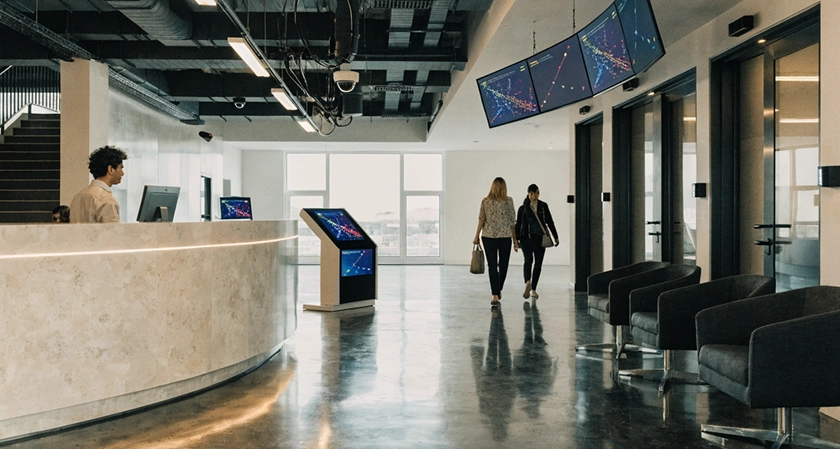
The hospitality industry is becoming increasingly digital, but for many hotels, technology has also become increasingly fragmented. Reservations, housekeeping, guest communication, payments and reporting are often managed through separate applications that were never designed to work seamlessly together. While each solution may perform its individual task well, the overall result is frequently a more complicated operation rather than a more efficient one.
As guest expectations continue to evolve and operational costs rise, independent hotels are rethinking the way they manage their businesses. Instead of investing in more software, many are investing in fewer systems that work together. This shift towards integrated hotel technology is transforming daily operations, enabling hotels to simplify workflows, improve efficiency and create a better experience for both employees and guests.
Hotel operations have become more complex than ever
Running a successful hotel today involves far more than managing reservations. Every booking triggers a chain of operational processes, from room allocation and housekeeping to payment processing, guest communication and performance reporting. At the same time, hotels must keep availability and rates synchronised across multiple distribution channels while maintaining high service standards.
When these processes rely on disconnected software solutions, information is often duplicated, manual updates become unavoidable and operational inefficiencies quickly emerge. As properties grow or guest expectations increase, these inefficiencies become more visible and increasingly difficult to manage.
For many hotel operators, improving efficiency is no longer simply about working faster. It is about creating a technology ecosystem where information flows automatically between departments and every team works from the same reliable source of data.
Why integration is replacing disconnected hotel software
Rather than adding another standalone application every time a new challenge appears, hotels are increasingly adopting integrated platforms that centralise their operational processes.
A modern property management system for hotels acts as the operational hub of the business, connecting reservations, housekeeping, guest profiles, payments, reporting and other essential workflows within one environment. Instead of constantly switching between different dashboards, hotel teams gain immediate access to accurate, real-time information that supports every stage of the guest journey.
This integrated approach not only improves efficiency but also reduces operational complexity. Staff spend less time managing software and more time focusing on hospitality.
Cloud technology is reshaping hotel management
The growing adoption of cloud-based hospitality technology has fundamentally changed the way hotels operate. Unlike traditional on-premise systems, cloud platforms provide continuous access to operational data, allowing managers and staff to work more flexibly while ensuring that information remains synchronised across the organisation.
This is particularly valuable for independent hotels, where smaller teams often manage multiple responsibilities throughout the day. Access to real-time information enables faster decision-making, improves collaboration between departments and reduces the likelihood of costly operational mistakes.
Cloud-based platforms also make it easier to integrate essential hotel technologies such as booking engines, channel managers, payment solutions and guest communication tools, creating a more connected operational environment.
Better operations create better guest experiences
Guests rarely notice the technology behind their stay, yet it influences almost every interaction they have with a hotel.
From the moment availability is displayed online to booking confirmation, check-in, payment and post-stay communication, modern hospitality technology helps create a smoother and more consistent experience. Because operational processes are connected behind the scenes, staff can respond more quickly, minimise delays and provide a more personalised service.
Rather than replacing personal hospitality, integrated technology allows employees to spend less time on repetitive administrative work and more time engaging with guests.
Data has become a strategic business asset
Hotels generate valuable operational data every day. Occupancy trends, booking patterns, average daily rates, guest behaviour and revenue performance all provide important insights into the health of the business.
When this information is scattered across multiple systems, identifying meaningful trends becomes difficult. Integrated hotel platforms bring these insights together, allowing managers to monitor performance more effectively and make decisions based on reliable, real-time information.
This data-driven approach supports everything from staffing decisions and pricing strategies to long-term investment planning, helping hotels improve both operational performance and financial results.
The future belongs to connected hotel technology
The hospitality sector is entering a new phase in which technology is no longer viewed as a collection of independent tools but as a fully connected operational ecosystem. Property management systems, booking engines, channel managers, payment technology and guest communication solutions are increasingly expected to operate as one integrated platform rather than separate applications.
Hotels that embrace this approach are better positioned to respond to changing guest expectations, improve internal efficiency and simplify increasingly complex operations. They are also creating stronger foundations for future growth by reducing manual processes and making better use of operational data.
Ultimately, successful hotels will not be those with the largest number of software solutions, but those with the smartest technology strategy. Investing in an integrated, cloud-based hospitality platform is no longer simply a technology decision; it is a business decision that supports greater efficiency, stronger guest relationships and a sustainable competitive advantage in an increasingly digital hospitality industry.











Comments