>>
Industry>>
Gaming and vfx>>
Why MarsTranslation Is the Rig...Why MarsTranslation Is the Right Choice for Scalable Video Game Localization
The Silicon Review
17 July, 2026
Author:
Guest
A game can have excellent gameplay, beautiful visuals, and a story players love, yet still struggle when it launches in a new market. Not because the game is bad. Because the language never feels natural to local players. Menus that sound stiff or unnatural. Jokes that fall flat. Voice lines that don't match the timing of what's happening on screen. Players notice within minutes, and they don't wait around to give it a second chance.
This is the gap that professional video game translation is supposed to fix, and most vendors don't fix it well. They treat a game like a document with pictures attached. It isn't. A video game is a dynamic software product where text lives inside dialogue trees, menus, and voice scripts that should work together across multiple platforms. It requires different competencies to do it successfully without sacrificing quality compared to localizing a brochure. MarsTranslation has developed its video game localization service based on that distinction, which you can see in little details that others overlook.
Why Localization Falls Apart at Scale
Small projects are easy to manage. One language, one short script, one round of checking—even an average translator can get through it. The trouble starts when a studio adds a fifth language, then a tenth, then a schedule where new content ships every two weeks. There's no longer one final version of the game's text. It's a moving target, translated into many languages at once, by different people, under tight deadlines.
Most agencies were never built to handle that kind of pace. They use general translators who work on a game one week and a legal contract the next, with no shared understanding of how a character talks or what a certain term means. Every update becomes a fresh guess. Word choices drift. The tone shifts from one patch to the next. And because there's no team built specifically for games, quality checks happen too late.
Common Mistakes Studios Make
The first mistake is picking a translation partner based on price alone, without asking who is actually doing the work. A translator who spends most of their time on legal papers is not the same as one who has spent years localizing RPG dialogue.
The second mistake is skipping tests inside the actual game. Text that looks fine in a spreadsheet can break once it's placed inside a small UI button or spoken half a second too late in a cutscene.
The third mistake, and probably the most costly, is treating localization as the last step instead of something that runs alongside development, added on after the game is finished, with no time left to fix what doesn't work.
What Makes Localization Actually Scale
The answer isn't more translators. It's a system built to keep quality steady while output keeps growing. MarsTranslation's game team is made up of native linguists who are also experienced players, most with three to five years of experience in specific game types. This means a translator working on a strategy game actually understands the language and mechanics of strategy games. That matters more than it sounds; a wrong tooltip in a tactics game can genuinely send a player down the wrong path.
Staying consistent over time also depends on the right systems, not memory alone. MarsTranslation runs projects through MarsCloud, its own management platform, which stores approved terminology, character voice, and previous translation decisions, so a new update doesn't undo old work.
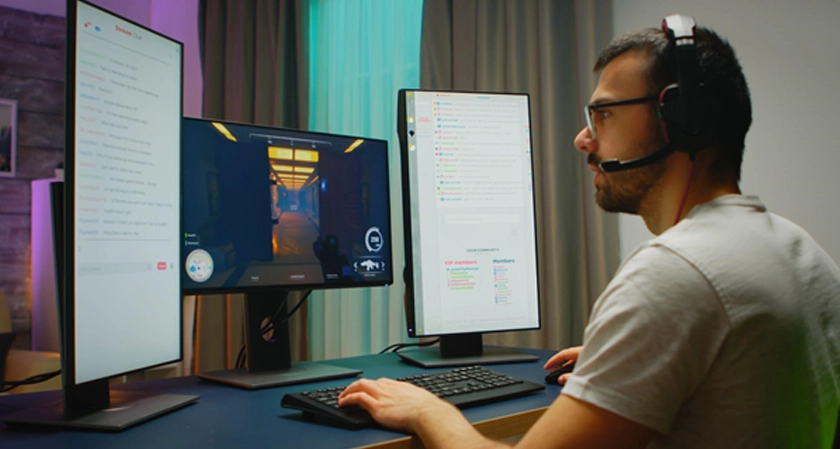
When QA testers run the localization within the game on PC, console, mobile, VR, and AR, they find bugs that don't appear while checking the translation file. The text can overflow from the menu, subtitles may not appear in time, or even the interface buttons can break due to the extra space needed by languages such as German and Thai.
For studios releasing frequent updates, speed is just as important as accuracy. Many standard translation updates can be completed within 48–72 hours, depending on scope, so development teams don't have to delay a patch while waiting for localized content. That keeps releases moving and helps avoid unnecessary hold-ups during a busy development cycle.
More Reasons This Matters
A few other things set a strong long-term partner apart from a one-time vendor. MarsTranslation is ISO-certified, meaning its quality management processes are independently audited against international standards rather than simply claimed.. This matters to publishers with strict compliance rules. It supports more than 230 languages, so a studio can expand into new markets without managing multiple localization vendors. And its work goes beyond in-game text to store page translation for Steam, Google Play, and the App Store, since a beautifully localized game with a poorly written store page can still miss potential players.
None of this replaces good game design. It protects it. The gaming industry has passed $200 billion worldwide, and most active players now live outside North America and Europe, which means most of a game's audience will only ever experience it in translation.
If a studio wants to get help with video game localization that holds up through real update cycles, not just one round of translation, the right partner needs to build a localization process that works over the long term, not just for a single release. The games that connect with players around the world are the ones where the localization team understood the experience the developers wanted players to have and made sure that experience carried across languages.


















Comments