>>
Industry>>
Media and entertainment>>
The Cultural and Commercial In...The Cultural and Commercial Influence of Afro-Latino Creators
The Silicon Review
26 August, 2026
Author:
Guest
Afro-Latino creators drive modern global culture by merging African roots with Latin American traditions to redefine entertainment, fashion, and digital media. Over fifty million Latino consumers live in the United States alone, and their buying power shapes how major brands allocate marketing budgets every quarter.
The intersection of Black and Latin culture has produced some of the most lucrative artistic movements in modern history. From the streets of New York, where hip hop and salsa coexisted, to today's global streaming charts, Afro-Latino influence remains foundational.
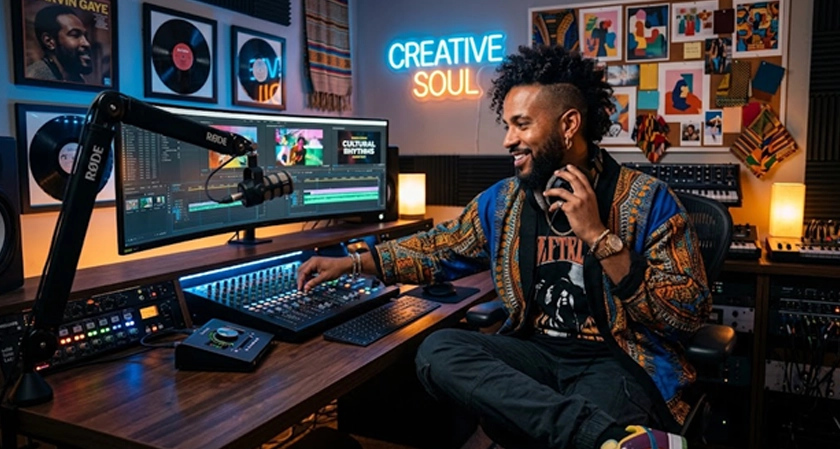
Image Source: Google Gemini
Redefining Global Music and Visual Arts
Latin music has grown unprecedentedly worldwide over the last decade, creating a footprint that extends to all continents in a similar fashion to other pop culture phenomena of the past few decades. Streaming infrastructure allows independent and major artists to bypass traditional gatekeepers and reach global listeners instantly.
Afro-Latino musicians sit at the very center of this expansion. Reggaeton, bachata, Latin trap, and dembow all owe their rhythmic DNA to the African diaspora. When modern urban artists top streaming charts in North America, Europe, and Asia, they bring Afro-diasporic rhythms to global audiences.
The aesthetic impact extends far beyond audio tracks, into music videos, high-fashion collaborations, and visual arts. Visual directors and stylists draw heavily from Caribbean and Afro-Latin iconography to create distinct visual identities for global campaigns. This aesthetic dominance creates a direct pipeline for independent creators to secure major creative direction roles.
Economic Impact and Brand Partnerships
Modern audiences demand authenticity, and legacy brands must listen. For decades, mainstream media flattened the Latino identity into a monolith, often excluding Afro-Latino representation entirely. That erasure cost media platforms substantial commercial opportunities.
Today, corporate media strategies actively align with creators who command real community trust. This shift isn't motivated by charity; it is driven by consumer spending data. The 2026 U.S. Latino Economic Impact Report indicates that U.S. Latino purchasing power has reached $4.4 trillion, making this demographic one of the fastest-growing economic drivers globally. Brands recognize that engaging Afro-Latino voices is essential for capturing this market.
Representation in mainstream media offers a clear template for how culturally specific storytelling can transform corporate strategy. This list of Afro-Latino stars provides examples of the wide-ranging influence Afro-Latino figures have had on American culture. It showcases the growing impact of this demographic.
When creators own their narratives, the commercial outcomes change drastically. Media executives no longer dictate how stories are framed. Instead, Afro-Latino writers, directors, and digital producers leverage their personal media ecosystems to negotiate ownership of their intellectual property.
Changing the Narrative in Sports and Journalism
Beyond music and visual media, Afro-Latino influence is reframing how sports and news media operate. Athletes and journalists are using their platforms to challenge narrow definitions of identity and push for systemic change in newsrooms and athletic leagues.
In professional sports, figures across baseball, basketball, and combat sports have pushed back against binary racial categories. Their presence forces media outlets to adopt more accurate cultural contexts when reporting on talent from the Caribbean, Afro-Brazilians, and Afro-Descendant communities across Latin America.
- Afro-Latino journalists are establishing independent digital publications to cover stories ignored by legacy outlets
- Sports analysts are bringing bilingual and multi-cultural perspectives to broadcast commentary for major networks
- Digital creators are establishing direct-to-consumer podcast networks to retain full creative control over their content
These shifts ensure cultural narratives remain authentic while generating sustainable economic returns for creators. When newsrooms diversify their perspectives, reporting accuracy improves across every coverage area.
Digital Sovereignty and Creative Control
The rise of independent platform publishing has not only altered advertising, but also allowed creators to bypass legacy networks altogether. TikTok, YouTube, and independent podcasting networks serve as incubator spaces where Afro-Latino content goes viral without needing corporate approval.
This independence gives creators leverage during negotiations. Rather than accepting basic talent fees, creators demand equity, product co-creation rights, and backend revenue sharing. The dynamic has shifted from seeking inclusion to building owned media infrastructure.
Digital sovereignty also protects cultural heritage from exploitation. By controlling the distribution channels, Afro-Latino innovators ensure their contributions are documented, credited, and monetized correctly from day one.
The Long-Term Trajectory of Culturally Specific Media
The commercial viability of Afro-Latino storytelling is no longer in doubt. Global streaming platforms actively commission localized content from Latin America and the Caribbean, recognizing that hyper-local narratives resonate universally.
According to data from the IFPI Global Music Report 2026, Latin America recorded a 17.1% surge in music revenues, leading global market growth for consecutive years. This financial momentum guarantees continued investment in regional sounds and talent.
Moving forward, the focus will remain on retaining capital and owning intellectual property. The blueprint created by current Afro-Latino trailblazers ensures that future generations will not just participate in the creator economy, but own the networks, publishing rights, and platforms that define it. For more insights on media trends and digital culture, check out our other posts on the topic.


















Comments