>>
Industry>>
Lifestyle and fashion>>
How Gen Z Is Changing the Futu...How Gen Z Is Changing the Future of Global Lifestyle Brands: The Silicon Review's 2026 Guide
The Silicon Review
18 August, 2026
Author:
Sashindra Suresh
Let's be honest. The old way of building a lifestyle brand is dead already.
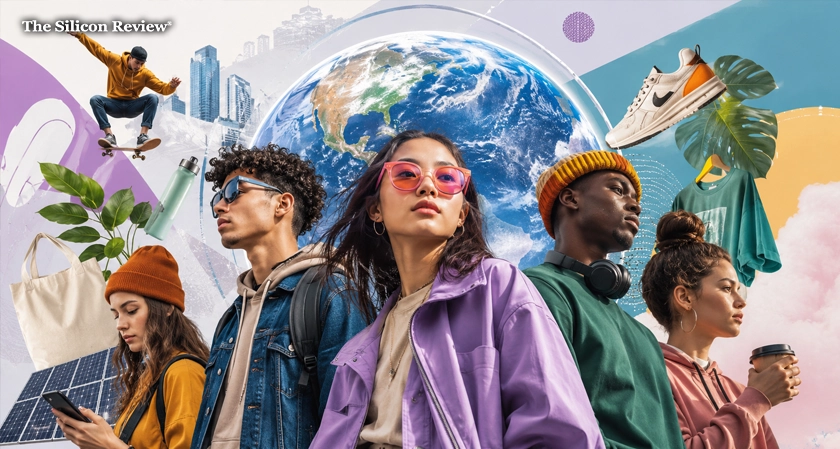
For decades, global brands operated on a simple formula: build something exclusive, make it look polished, and broadcast it down to consumers. To buy into a luxury brand was an act of reaching up. But Gen Z has flipped the script. They don't want to reach up. They want brands to meet them where they are. Gen Z has replaced vertical aspiration with horizontal syndication. That means they don't just consume a brand they remix it, customize it, and make it their own. A luxury handbag isn't just a status symbol anymore. It's a piece of their personal story. The numbers are staggering. There are close to 2.5 billion Gen Z consumers globally a quarter of the world's population. By 2040, the Asia-Pacific region alone will see a 135% increase in Gen Zs with an annual income of over $100,000. This generation has money, influence, and a completely different way of thinking about brands. That's why The Silicon Review ranked the world's No.1 digital magazine of the year 2026 has curated this guide to how Gen Z is changing the future of global lifestyle brands. Whether you're a brand strategist, a marketer, or an entrepreneur building the next big thing, this is your essential briefing.
"I Don't Buy Brands. I Curate My Identity."
Gen Z doesn't see shopping as a transaction. They see it as self-publishing.
Every product they buy, every brand they wear, every playlist they share is like an asset in their personal identity portfolio. They're constantly curating who they are, and they expect brands to be flexible enough to fit into their ever-changing vibe. Coach spent time with Gen Z consumers around the world to understand this. When asked what books meant to her, one young woman said, "They're my portable refuge." The marketing team realized she wasn't just talking about reading. She was talking about identity, belonging, and finding depth in a fast-paced world. That insight changed how Coach approached branding. Luxury used to be something you owned. For Gen Z, luxury is something you express.
Wellness Is the New Status Symbol
Loud logos are out. Green juices, Pilate’s classes, and mindfulness apps are in.
Gen Z has redefined what it means to signal status. Instead of wearing a designer bag with a giant logo, they wear clothes that say something about their lifestyle. Brands like Sporty & Rich and Aviator Nation don't just sell clothes. They sell a dream: a balanced life, a green juice after a workout, and an aesthetic that feels intentional. This is what experts call "quiet luxury." It's not about broadcasting wealth. It's about signaling taste, awareness, and a particular set of habits. And for Gen Z, that distinction is everything.
The Y2K resurgence is part of this trend. Collaborations like Madhappy x Freecity and Sporty & Rich x Juicy Couture have been hits because they tap into nostalgia for a time before digital saturation. It's not just about fashion. It's about a feeling, a vibe, and a moment that feels surprisingly fresh again.
"Sustainably Made? Prove It."
Gen Z doesn't reward brands for being sustainable. They penalize brands for failing to be. Corporate buzzwords like "corporate social responsibility" and "green initiatives" are meaningless to this generation. They've grown up with climate change as a defining issue, and they can spot greenwashing from a mile away. A polished marketing campaign about eco-friendly textiles? They'll cross-check it with supply chain data, labor reports, and political donations.
This is what we call "radical proof." Brands can no longer just say they're sustainable. They have to prove it with verifiable data, open-source supply chains, and complete transparency. If you can't back up your claims, Gen Z will call you out.
This is why younger shoppers are becoming more selective and value-conscious. They're not automatically drawn to big Western luxury houses anymore. They want brands that align with their values. As one expert put it, "Young people don't care about that anymore. They want authenticity and emotional connection."
Niche Tribes, Not Mass Markets
Gen Z doesn't belong to one big audience. They belong to hundreds of tiny, hyper-specific tribes. These are algorithmic tribes online communities bound together by shared aesthetics, niche interests, and rapid cultural trends. They don't gather around geography or traditional media. They form around shared hyper-fixations on platforms like TikTok, Discord, and Instagram.
Across Asia, this has created what experts call a "curation-led consumption" mindset. Gen Zs aren't just shopping for a category like "tops" or "shoes." They're building a whole look, a whole vibe, and then translating that into real choices. The aesthetic is a mix of Y2K, niche subcultures like Japanese gyaru, seapunk, indie sleaze, and more.
The brands that win in this environment don't act like dictators of taste. They act like open-source platforms. They invite their community into the creative process not through superficial focus groups, but by ceding actual creative control. Whether it's co-created merchandise drops or community-voted features, the modern brand succeeds when its audience feels like they own the narrative.
What This Means for Your Brand
The rules have changed. Here's what matters now.
First, stop selling status. Start helping customers tell their story. Coach's partnership with Penguin Random House on the Explore Your Story campaign wasn't about handbags it was about books, identity, and belonging. And it worked. People didn't just talk about the product; they started talking to each other across continents. Second, wellness is a lifestyle currency. Brands that authentically connect with wellness, mindfulness, and intentional living will win. This isn't a niche trend anymore. It's the new status symbol. Third, community over broadcast. Gen Z craves connection. Brands that facilitate conversation and belonging will win over those that simply shout messages from the top. Fourth, authenticity over heritage. While heritage still matters, Gen Z values authenticity more. "The established brand value of external global brands is still there, however being from a certain country is no longer a selling point," says Olivia Chen of brand development agency 2034. Finally, physical stores still matter. Younger consumers are spending more time in stores than many expect, seeking real-world interaction, trust, and community. The store isn't dead. It's just different.
Conclusion
Gen Z isn't killing luxury. They're redefining it. From aspiration to self-expression, from status to wellness, from transparency to radical proof, this generation is rewriting the rules of lifestyle branding. The brands that win won't be the ones with the highest awareness. They'll be the ones helping people express who they already are. The question for brand strategists is no longer who they should become. It's whether they're ready to understand who Gen Z already is.
Frequently Asked Questions (FAQs)
- How is Gen Z changing the future of global lifestyle brands?
Gen Z is replacing aspiration with self-expression. Brands must help people express who they are, not signal status. - What do Gen Z consumers want from brands?
Authenticity, emotional connection, alignment with their values, and real proof of sustainability claims. - What is "quiet luxury"?
Signaling taste through wellness, mindfulness, and intentional living rather than loud logos. - What is curation-led consumption?
Building a personal aesthetic around cultural touchpoints rather than brands or categories. - Which brands are winning with Gen Z?
Wellness-driven brands like Sporty & Rich, Aviator Nation, Madhappy, and brands that prioritize authenticity and community. - Does heritage still matter to Gen Z?
Less than before. Gen Z prioritizes authenticity, values, and emotional connection over European legacy or heritage. - What does "radical proof" mean?
Brands must back up sustainability claims with verifiable data, open-source supply chains, and complete transparency. - What role do physical stores play for Gen Z?
Younger consumers are spending more time in stores seeking real-world interaction, trust, and community. - What is algorithmic tribalism?
Hyper-specific online communities bound by niche aesthetics, shared values, and rapid cultural feedback loops. - What is the future of Gen Z lifestyle brands?
Brands that help people express who they are, facilitate community, and back their claims with real proof.



















Comments