>>
Industry>>
Architecture and interior design>>
How Smart Exterior Upgrades Bo...ARCHITECTURE AND INTERIOR DESIGN
How Smart Exterior Upgrades Boost Home Energy Efficiency
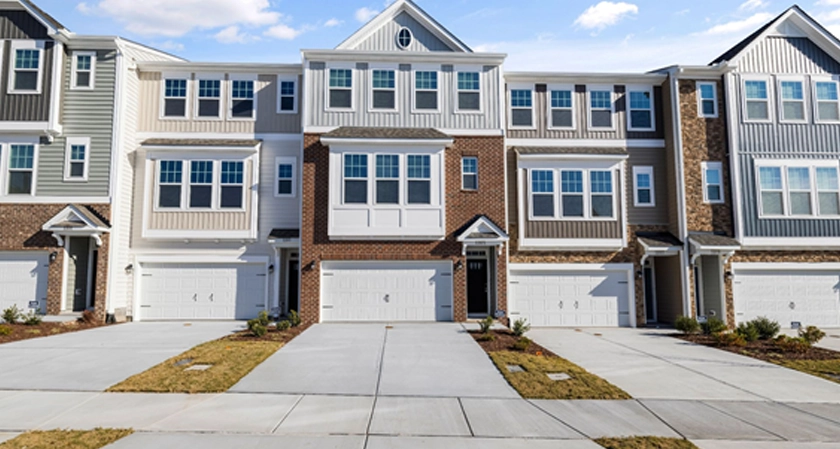
Upgrading the exterior of a home offers benefits beyond fresh curb appeal. Modern materials act as protective shields that reduce extreme temperature shifts throughout every season of the year.
Smart choices on the outside help maintain stable climate control inside the living spaces. Property owners end up spending less money on heating and cooling system operations month after month.
Modern Siding Materials Protect Indoor Temperatures
Outer walls face constant exposure to freezing winds, scorching sunlight, and damp moisture. Advanced cladding products incorporate specialized thermal barriers that block heat transfer through outer surfaces. These upgraded exterior panels protect structural framing from weather damage.
Insulated vinyl and composite boards create continuous thermal resistance across whole exterior walls. Wall studs without proper outer shields lose heat quickly through thermal bridging. Adding insulated backing behind siding keeps indoor spaces warm in winter.
Installing upgraded siding stops conditioned air from leaking out through hidden gaps. Household utility costs drop significantly when heating systems do not work continuously. Proper installation transforms thermal management for the entire structure.
High Performance Windows Reduce Daily Thermal Loss
Windows remain vulnerable points where indoor heat escapes during cold months. Hiring skilled home improvement contractors allows owners to replace old single panes with multi-pane units. Modern window assemblies trap inert gases between panes to stop thermal transfer.
Low-emissivity glass coatings reflect solar heat away from living rooms during summer afternoons. Indoor temperatures remain comfortable without forcing air conditioning units to run constantly. Modern double or triple pane units cut energy waste dramatically.
Tight seals around new frames eliminate drafty spots near window sills. Draft-free rooms require far less energy to keep stable temperatures day and night. Custom fitting ensures maximum thermal performance along every window border.
Advanced Roof Systems Reflect Solar Heat Load
Roof surfaces absorb tremendous amounts of solar energy throughout sunny afternoons. Dark asphalt shingles store heat and push thermal energy directly into upper attic spaces. Hot attics force cooling systems to run continuously to maintain comfort.
Cool roof technology uses reflective granules to bounce solar rays away from the house. Lower roof surface temperatures prevent hot air accumulation inside top floors.
Key solar reflective roofing benefits:
- Reduces attic air temperatures by up to 50 degrees Fahrenheit.
- Extends total lifespan of roofing materials by minimizing heat expansion.
- Decreases peak electrical demand across summer power grids.
Proper ridge vents work alongside cool shingles to move trapped hot air outside. Attic space stays cooler, which protects internal home insulation from heat degradation. Effective roof ventilation balances indoor temperatures across every season.
Insulated Exterior Doors Block Unwanted Drafts
Front and rear entryway doors experience heavy daily use and constant thermal pressure. Older wooden doors warp over many years and create gaps along frame perimeters. Cold air leaks through uninsulated entry points during severe winter weather.
Steel and fiberglass doors filled with rigid polyurethane insulation resist heat flow. Weather stripping creates tight seals that keep outdoor air from leaking inside. Upgraded door frames prevent drafty corridors near main house entrances.
Glass insert panels on new doors feature dual-pane safety glass with thermal breaks. Energy savings accumulate quickly when main entry points maintain tight seals. Durable door cores preserve indoor warmth without sacrificing security.
Efficient Garage Doors Prevent Whole House Heat Loss
Attached garages share major walls and ceiling spaces with heated living areas. Cold air inside an uninsulated garage pulls heat straight out of adjacent bedrooms. Insulating this massive opening forms an essential layer of thermal defense.
Modern sectional garage doors feature thick foam insulation cores sandwiched between metal panels. High R-value garage doors keep internal garage temperatures significantly warmer during winter. Warmer garages protect adjacent rooms from sudden heat drops.
Real estate research indicates that modern buyers value savings alongside a lower carbon footprint. Upgrading heavy exterior access doors provides high financial returns and lowers utility usage. Premium garage doors add structural strength while stopping drafts.
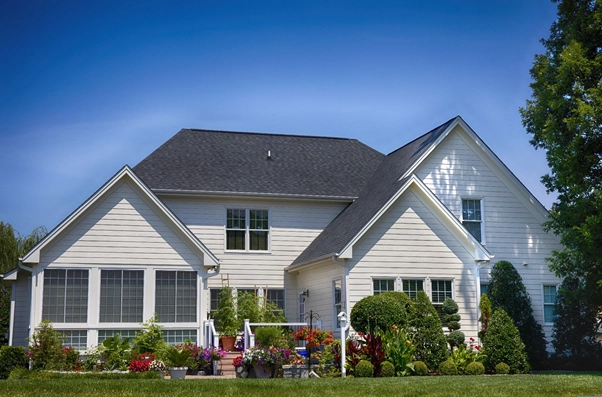
Smart Exterior Coatings Provide Radiant Barriers
Specialized exterior paint formulas contain ceramic beads that reflect thermal radiation. Applying these reflective coatings onto outer walls creates extra insulation value. Reflective paint shields wall assemblies from harsh ultraviolet radiation.
Radiant barriers applied beneath siding reflect up to 97 percent of radiant heat away from walls. Homes located in sunny climates benefit greatly from these thermal reflective layers.
Key advantages of smart protective coatings:
- Fills microscopic cracks across exterior wall surfaces.
- Protects building materials from long-term moisture intrusion.
- Lowers cooling requirements during extreme heat waves.
Coated surfaces retain structural durability and weather resistance over many years. Painting outer walls with solar reflective paint upgrades efficiency without structural overhauls. Exterior wall coatings offer simple solutions for heat management.
Upgraded Exterior Trim Seals Hidden Building Gaps
Small gaps around exterior trim boards allow unconditioned air to seep into wall cavities. Moisture infiltrating those hidden gaps ruins internal insulation performance eventually. Unsealed joints create pathways for drafts that increase utility costs.
PVC and composite trim materials do not rot, warp, or split when exposed to rain. Tight seals along soffits and fascia boards keep wind from penetrating attic spaces. Premium trim products maintain airtight protection around rooflines and corners.
Sealing every joint along exterior trim protects insulation investments throughout the home. Comprehensive exterior sealing guarantees maximum heating efficiency season after season. Small sealing details prevent costly energy loss across entire exterior surfaces.
Investing in smart exterior updates protects properties and drives down monthly power bills. Each modern material works together to create a complete thermal shield around the home.
Lower energy consumption translates directly to long-term financial savings for homeowners. Modernizing outer surfaces turns aging properties into high-performance living spaces.




















Comments