>>
Industry>>
Construction>>
How to Protect Your Office Bui...How to Protect Your Office Building Roof From Costly Damage
The Silicon Review
07 August, 2026
Author:
Sashindra Suresh
Maintaining a commercial property requires constant attention to hidden structural threats overhead. Commercial roofs endure continuous punishment from extreme weather, harsh ultraviolet rays, and accumulated surface debris.
Preventative maintenance keeps repair budgets predictable while extending system service life. Commercial building managers who take proactive steps protect asset value for many years to come.
Schedule Regular Visual Inspections
Routine walk-throughs help facility teams detect surface wear long before leaks develop inside office spaces. Commercial property owners often rely on expert roofing services to inspect structural components before minor issues expand. Identifying small cracks early keeps emergency repair costs from spiraling out of control.
Inspections must focus on perimeter flashings, expansion joints, and metal trim around heavy rooftop equipment. Strong wind gusts often loosen metal fasteners without showing immediate signs from ground level. Identifying the weak spots early saves thousands of dollars in sudden interior restoration work.
Trained technicians document structural conditions with detailed photo logs to track wear year after year. Detailed written reports help owners schedule capital improvements during quiet financial quarters. Consistent monitoring removes guesswork from long-term facility maintenance budgets.
Prepare Structure for Extreme Weather Events
Severe weather places intense stress on commercial roof membranes and underlying structural decking. High winds lift loose flashing edges, and heavy snow accumulation strains weight limits. Securing loose components protects buildings throughout unexpected storm seasons.
Hail strikes present a growing threat to commercial roof membranes across many regions. Insurance records show national storm monitors logged 5,432 hail events in 2025, up from 5,373 during 2024. Impact damage creates micro-punctures that slowly leak moisture into lower insulation layers.
Post-storm sweeps allow facility crews to seal punctures before water reaches tenant office suites. Clearing fallen tree branches eliminates sharp hazards that slice synthetic membranes during severe windstorms. Taking swift action prevents minor hail impacts from turning into total roof replacements.
Enforce Strict Rooftop Safety and Access Standards
Contractor foot traffic accounts for a large portion of commercial membrane punctures each year. Maintenance technicians carrying heavy gear can easily drop sharp tools onto exposed rubber surfaces. Establishing designated walking paths protects fragile membrane layers during routine servicing.
Safety compliance protects site workers and building operational budgets. Federal safety agencies raised maximum fines for repeat or willful violations to $165,514 per infraction. Proper guardrails and warning lines keep projects safe and avoid steep regulatory penalties.
Restricting roof hatch access prevents unauthorized staff from stepping onto sensitive roof surfaces. Signed visitor logs help facility managers track exactly who enters the roof area each week. Keeping clear logs encourages contractor accountability during complex equipment projects.
Maintain Clear Drainage Lines and Gutters
Standing water causes rapid deterioration of protective roof coatings and underlying structural decking. Heavy rainfall must flow off flat surfaces into downspouts without delay. Clogged drains force water into low spots, accelerating rubber membrane degradation.
Facility teams should prioritize clear drainage paths to avoid severe structural stress on the building.
- Clear leaves and organic debris from scuppers every autumn season.
- Check strainers for trash blockage after major rainstorms occur.
- Inspect internal drain pipes for hidden clogs beneath decking.
Routine cleaning prevents pooling water from penetrating seam adhesives during winter freezes. Ice expansion pulls seams apart, creating silent leaks directly above office suites. Simple clearing routines safeguard structural integrity through wet winter months.
Monitor Material Costs and Plan Upgrades Wisely
Managing commercial roofs requires tracking industry material trends and replacement costs. Smart facility directors timing their roof replacements save substantial capital by watching market shifts. Planning major renovations during favorable market cycles lowers expenses significantly.
Market shifts present direct opportunities to optimize facility capital expenditures. Trade association data shows softwood lumber prices dropped 16.3% year over year. Lower material prices allow property owners to complete deck repairs at reduced rates.
Comparing material options helps owners select durable single-ply membranes within budget constraints. Modern reflective membranes offer high solar performance to reduce summer cooling demands. Smart material choices pay dividends through lower utility bills over two decades of operation.
Address Minor Repairs Before Damage Spreads
Ignoring small membrane blisters allows moisture to seep deep into roof insulation boards. Trapped moisture degrades insulating performance and accelerates deck corrosion beneath synthetic layers. Fixing minor tears early stops structural decay before framing suffers permanent damage.
Facility teams must seal open seams immediately upon discovery during visual inspections. Heat-welded joints require periodic touch-ups to remain completely watertight against heavy rain. Quick patches prevent small leaks from destroying interior drywall or expensive ceiling tiles.
Documenting repair work creates a detailed service history for future building buyers or insurers. Detailed records show buyers that structural components received attentive ongoing care. Detailed logs maximize resale value and keep warranty coverage fully intact.
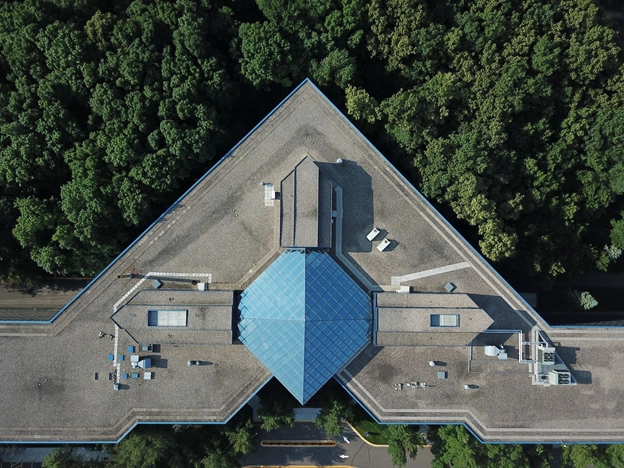
Protecting a commercial roof demands consistent inspection routines, prompt repairs, and clear safety rules. Strategic maintenance prevents minor weather damage from escalating into major capital expenses.
Property managers who take proactive steps preserve building value and keep operations running smoothly. Investing in ongoing care safeguards commercial assets against harsh weather conditions for decades.




















Comments