>>
Industry>>
Architecture and interior design>>
Where to Start When You Want t...ARCHITECTURE AND INTERIOR DESIGN
Where to Start When You Want to Improve Your Home
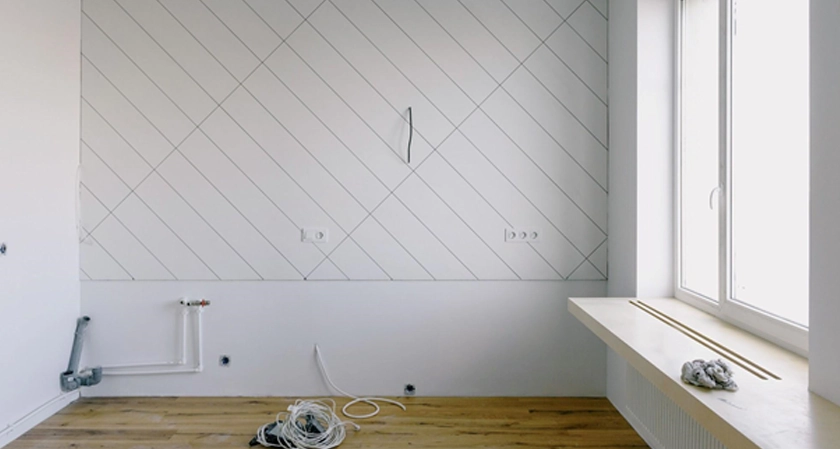
Planning a home renovation project can feel overwhelming when every room seems to need attention at once. Staring at multiple unfinished ideas makes it difficult to choose a clear starting point. Deciding where to focus your energy upfront removes unnecessary stress from the renovation process.
Breaking your overarching home plan into logical phases keeps your timeline and wallet intact. Prioritizing critical updates turns massive home goals into manageable action items. Taking a structured approach guarantees that every dollar spent yields maximum value for your property.
Evaluate Current Structural Needs
Protecting the exterior shell of your house protects your long-term investment from harsh environmental damage. Working with a reliable roofing company prevents water intrusion and preserves interior living spaces. Exterior repairs must take priority over cosmetic interior upgrades to avoid costly water damage later.
Take a close look at your foundation walls, windows, and exterior drainage pathways. Catching minor leaks early saves thousands of dollars in emergency structural repairs down the road. Property owners who inspect their exterior systems early avoid major surprises mid-renovation.
Structural upgrades boost energy efficiency and lower monthly utility expenses throughout the year. Securing core building elements creates a safe, stable foundation for future remodeling work. Addressing structural health first gives you complete peace of mind before moving indoors.
Assess Housing Market Trends
Current real estate dynamics heavily influence how property owners schedule major renovation efforts. Industry reporting reveals that many home sellers are opting to wait out the market instead of cutting asking prices. Smart updates keep properties competitive and functional without requiring immediate property sales.
Higher interest rates encourage many families to remain in place and upgrade existing spaces. Upgrading structural and functional elements adds lasting value to your current property footprint. Smart remodeling choices protect your equity while elevating your daily standard of living.
Planning around broader financial shifts prevents project budgets from expanding beyond acceptable boundaries. Setting realistic financial targets keeps your home improvement journey smooth and rewarding.
Priority Focus on High Impact Rooms
Interior renovations deliver varying returns depending on which spaces you choose to remodel first. Market studies indicate kitchen improvements and additions represent over 28% of global renovation spending. Upgrading cooking areas offers immediate daily enjoyment along with noticeable aesthetic gains.
Focus on functional layout adjustments before selecting specific cabinet paint colors or decorative tile patterns. Clear traffic paths make small kitchens feel open, inviting, and highly functional for daily meals. Thoughtful spatial design improves everyday routines for the whole household.
Modernizing lighting fixtures and plumbing hardware updates older floor plans without heavy demolition work. Fresh fixtures elevate room appeal quickly while staying within reasonable financial boundaries.
Budget Allocation and Market Scale
Spending patterns highlight just how massive home improvement spending has become across the nation. Data shows the U.S. home remodeling market reached $503 billion in industry estimates. Allocating resources smartly keeps your finances secure throughout extensive renovation projects.
Establish a dedicated contingency fund of at least 15% to cover unexpected project expenses. Hidden plumbing issues or outdated electrical wiring frequently surface once walls are opened up. Having extra funds set aside keeps your project moving without financial delays.
Sticking to clear spending limits prevents decision fatigue midway through complex renovation phases. Managing your project funds carefully preserves peace of mind from start to finish.
Establish Clear Project Milestones
Proper organization keeps complex renovation projects running on schedule and within budget boundaries. Breaking major tasks into distinct phases prevents scheduling conflicts between different trade professionals. Clear schedules keep contractors accountable and minimize unnecessary downtime on site.
Keeping track of project phases guarantees consistent craft quality from start to finish. Critical steps to monitor during home upgrades include:
- Complete structural inspections and secure necessary building permits
- Order long-lead materials like custom cabinetry and replacement windows
- Schedule trades for internal plumbing and electrical rough-in work
Reviewing progress weekly keeps contractor timelines aligned with your original project expectations. Clear communication lines prevent costly misunderstandings and keep work moving forward smoothly.
Select Sustainable and Durable Materials
Choosing high-quality building products saves significant money over extended home maintenance cycles. Durable materials withstand heavy daily family use and severe seasonal weather exposure. Investing in quality products upfront reduces repair costs over the life of your home.
Natural stone surfaces, solid hardwoods, and high-efficiency insulation offer top-tier long-term performance. Long-lasting building supplies reduce replacement needs across multiple decades of homeownership. Selecting resilient materials adds lasting value and beauty to every corner of your house.
Durable finishes maintain clean appearances despite heavy daily foot traffic and constant activity. High-performance building components protect your property value and boost everyday comfort. Choosing quality materials ensures your investment stands the test of time.

Home improvements transform standard houses into comfortable, highly functional living environments. Starting with structural health and progressing toward high-impact interior spaces yields optimal results.
Careful planning keeps your project budget under control while keeping construction stress minimal. Taking the first step today brings your dream living space closer to reality.




















Comments