>>
Industry>>
Real estate>>
Why Community-Centered Residen...Why Community-Centered Residences Improve Daily Living
The Silicon Review
06 August, 2026
Author:
Guest
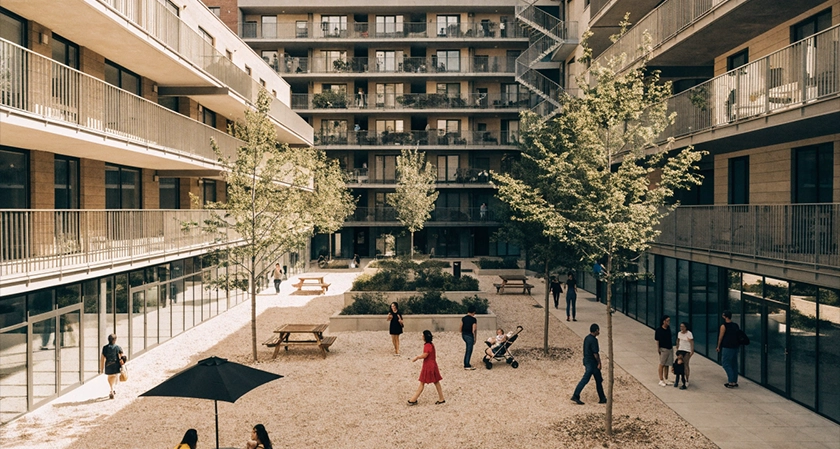
Daily life is easier when a home supports connection, routine, and easy access to shared services. Community-centered residences are planned so neighbors can meet naturally, help each other, and move safely through the day. Common areas, nearby essentials, and clear layouts can ease strain while supporting steady habits. For many households, this mix shapes their sleep, time use, and mood. Social bonds also protect mental health, beyond any floor plan.
Social Contact Without Extra Effort
Health risks rise with prolonged isolation, including higher stress hormones and poorer sleep continuity. Design can lower that risk by making brief contact feel normal. A short walk to the mail area or garden invites small greetings. In settings like Bloomsbury Residences, proximity between routes and shared spaces can increase casual check-ins, which helps many of us feel noticed without forced social pressure.
Everyday Support Through Shared Norms
Shared living can reduce cognitive load when neighbors hold simple, consistent expectations. Someone may flag a delivery, return a dropped item, or point out a notice. These small assists matter during busy weeks. Clear norms also limit nighttime noise, keep corridors tidy, and protect play zones. Fewer disputes can mean lower daily tension. A calmer baseline supports steadier appetite cues and fewer stress-driven choices.
Example Context for Community-Focused Housing
In Singapore, community-oriented planning often appears where homes sit near parks, transit, and practical services. That mix supports regular errands on foot and simpler daily scheduling. When errands stay close, residents are less likely to skip short walks or delay basics. Nearby shared facilities can also increase chance encounters, which strengthens familiarity over time. Familiar faces can encourage check-ins during illness or after a challenging day.
Walkability Supports Health Habits
Walking becomes a default when routes are direct, shaded, and well lit. Paths that connect homes to shops, childcare, and transit add movement without a workout plan. Short trips accumulate across a week. Regular steps improve insulin sensitivity and support healthy blood pressure patterns. Stable activity also helps sleep timing. When surfaces are even, older adults can stay active with lower fall risk.
Shared Amenities Improve Time Use
Time is a health input, even if it feels invisible. On-site or nearby options, like a gym, play area, or multipurpose room, reduce travel friction. Less commuting for basics frees minutes for home cooking, stretching, or family talk. Convenient access also improves adherence, because routines are easier to repeat. Predictable schedules can lower rumination and support steadier mood regulation.
Green Space Helps Recovery
Greenery changes how the nervous system settles after strain. Courtyards, pocket parks, and tree-lined paths offer quick breaks from noise and screens. Even brief outdoor pauses can lower perceived stress and reduce mental fatigue. Natural light exposure also supports circadian timing. Green areas invite gentle activity, like strolling or mobility work. When nature is nearby, recovery becomes a regular practice.
Safety Design Builds Confidence
Perceived safety shapes behavior, not just comfort. Bright lighting, clear sightlines, and controlled access reduce fear during early mornings or late evenings. When people feel secure, they are more likely to walk, greet others, and use shared areas. Safer design also helps caregivers supervise play with less vigilance. Confidence in surroundings supports healthier choices, because attention stays on goals rather than constant scanning.
Inclusive Spaces Strengthen Belonging
Belonging improves when shared areas work for different ages and abilities. Step-free routes, resting benches, and quiet corners support varied needs. A community room can host small gatherings without loud crowds. Play areas with excellent visibility help caregivers relax. Inclusion matters because more neighbors can participate, which increases connection. Strong social ties correlate with lower depressive symptoms and better resilience after setbacks.
Services Nearby Reduce Friction
Daily life improves when essentials are nearby. Easy access to groceries, clinics, schools, and public transport reduces planning strain. Shorter travel also supports appointment follow-through and timely medication pick-ups. Households managing caregiving gain flexibility when services stay within reach. Less friction lowers missed tasks. That reliability supports a sense of control, which can reduce chronic stress responses across the week.
Conclusion
Community-centered residences can support health through steady contact, easier movement, and practical access to services. Design choices, like walkable paths and welcoming shared areas, help neighbors interact naturally and feel safer during ordinary routines. Over time, these settings can lower isolation risk, improve habit consistency, and protect mental well-being. For many of us, daily life feels best when small supports are present, reliable, and repeatable.




















Comments