>>
Industry>>
Lifestyle and fashion>>
Why Topical Treatments Are Bec...Why Topical Treatments Are Becoming a Bigger Part of Modern Skincare Routines
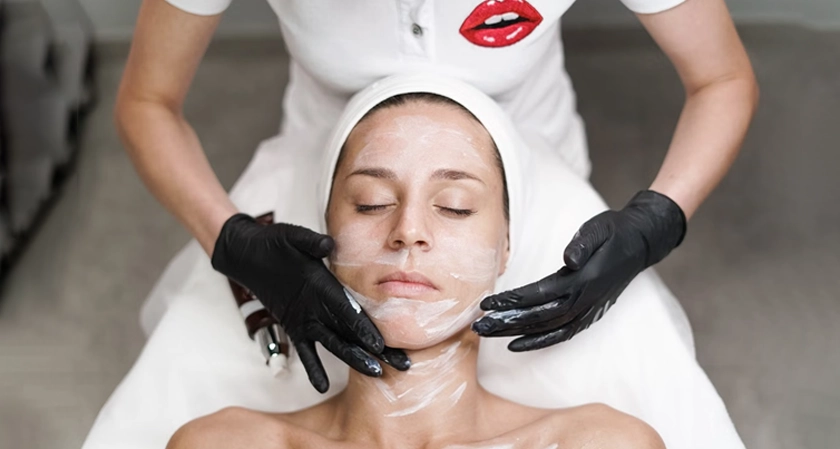
Have you ever wondered why creams, gels, or any other topical treatments have grown in popularity in skincare discussions? This comes from people understanding that simply using a cleanser-moisturizer approach doesn’t treat all skin issues. Actually, it turns out that acne affects around 85% of teenagers and young adults, which means that targeted treatments are important to many people’s skincare routines.
However, this does not mean that it’s necessary to have a cabinet full of skincare products. Skincare has now shifted towards targeting specific skin issues. People stopped trying out one product after another and learned how to use treatments that their skin actually needs. This article explains why topical treatments have become part of modern skincare routines.
Skincare Is Becoming More Personal
There was a time when skincare advice seemed pretty straightforward: wash your face, apply moisturizer, and call it a day. These basic steps are still essential. However, every skin is different, and a method that suits one person can lead to dryness, irritation, or acne in another.
Someone with acne will have to choose a different treatment approach from someone suffering from eczema, psoriasis, excessive drying of skin, or other kinds of inflammation. This is where topical treatments might be of help.
Unlike universal treatments, topical medications will target a specific concern. They may help with inflammation, acne, itching, infections, or skin barrier protection.
They Are About More Than Acne
The term ‘topical treatment’ is usually associated with acne. However, topical treatments can be used for more than just acne. They treat conditions like eczema, plaque psoriasis, skin diseases, and different types of dermatitis.
With atopic dermatitis, there are topical medications like moisturizers, corticosteroids, calcineurin inhibitors, and PDE-4 inhibitors that can be used as part of the treatment plan. This is important because not all topical products should be considered beauty products. Some of them are medications for skin conditions that already have a diagnosis.
They Put Treatment Where It Is Needed
One of the most important advantages of topical applications is very straightforward. You apply the product to the area that requires treatment.
Topical treatments may feature different active substances depending on the formulation. For instance, products that are recommended for the treatment of acne can include benzoyl peroxide, retinoids, azelaic acid, and salicylic acid.
These ingredients do different jobs. Some can alleviate clogged pores, others can deal with the inflammation, while others can target acne-causing bacteria.
Topical Treatments Can Be Incorporated Into a Simple Routine
You might assume that adding a treatment means your skincare routine has to become more complicated. It does not. In most cases, you would just need to add a topical treatment to your existing skincare routine.
For example, you could clean the skin thoroughly, apply the required treatment, moisturize, and use sunblock. That’s all there is. Instead of applying several serums and hoping for the best outcome, you can use a treatment with a clear purpose.
New Techniques Offer More Alternatives
Skincare has evolved tremendously throughout the years, and topical treatments have followed suit. Active ingredients and products for various skin issues have increased over the years. For instance, acne treatment can be applied independently or in combination with other treatments, depending on the type of acne and the intensity of the problem.
Topical treatments for inflammatory skin disorders like atopic dermatitis have also improved. The increased number of options is great, as not every person's skin works the same.
The dermatologist weighs factors like the following before determining the appropriate course of therapy,
- The nature of the problem
- Its intensity
- The sensitivity of the problem
Modern skincare is gradually changing from the search for a miracle product to finding what works for you.
A Targeted Routine Could Mean Fewer Products
Sometimes, better skincare involves buying less instead of more. It’s tempting to get stuck in the cycle of seeing a new product, buying it, trying it for a while, and then moving on if you don’t get immediate results.
This may leave you with a cabinet full of products and no clue about what actually worked on your skin. In contrast, a focused treatment gives purpose to your regimen. Instead of experimenting endlessly, you can concentrate on solving specific problems.
Smarter Skincare Starts With Knowing What Your Skin Needs
Smart skincare begins with understanding what your skin needs. The rise of topical treatments shows a more significant trend in skincare. Skincare today proves to be much more than just having many products and following the newest trend. It’s about being more intentional.
A good skincare routine doesn’t require ten steps. Sometimes what’s needed is simply identifying the problem, using the right treatment, letting it take effect, and implementing some simple daily habits that support the skin.
Topical treatments can be very useful because they provide a targeted approach or solution for specific problems. If used wisely, they can easily find their way into a routine, making it efficient and simple. The point is not to collect a lot of products, but to be able to understand your skin well enough to provide what it needs.




















Comments