>>
Industry>>
Capital Market>>
Why US and UK Traders Are Watc...Why US and UK Traders Are Watching European Central Bank Policy Signals

The Silicon Review
26 August, 2026
Author:
Guest
US investors are watching European rate expectations because the gap between ECB and Federal Reserve policy can influence the dollar, bond yields and the way money moves between international equity markets. UK traders have another moving part to consider, with sterling sitting between European, US and British rate expectations.
In other words, even when the ECB doesn’t change rates, markets can still have plenty to react to.
The European Central Bank kept its key interest rates unchanged at its July meeting, leaving the deposit rate at 2.25%. But the ECB still isn’t committing to what comes next, which will have an impact well beyond the eurozone.
The ECB Is on Hold, but Rate Shifts Aren’t
The ECB raised rates by 25 basis points in June before holding them steady in July, and its deposit rate now stands at 2.25%. Traders, however, are constantly trying to figure out what policymakers might do next, which they can’t do with the currency rate alone.
The ECB has said it will make decisions meeting by meeting and will remain guided by incoming economic data rather than committing to a set path for rates. It’s also keeping a close eye on energy prices and their potential effect on inflation. That leaves room for expectations to move between meetings: a stronger inflation reading, a change in energy prices or even a shift in the language used by ECB officials can all change what traders think the next decision will look like.
These changing expectations can show up across currencies and stock markets at the same time. For those involved in online trading, comparing international index movements and currency pairs side-by-side can make these cross-market shifts easier to follow. And once those expectations are set or changed, the effects can ripple quickly.
Why Wall Street Cares About Rates in Frankfurt
An important question US investors need to ask is how the ECB’s direction compares with the Federal Reserve’s. The Fed kept its target range at 3.5% to 3.75% at its July meeting, leaving US rates above the ECB’s deposit rate. What is crucial for markets is not only that gap today, but whether investors expect it to widen or narrow over the coming months, since the difference can feed directly into currency markets.
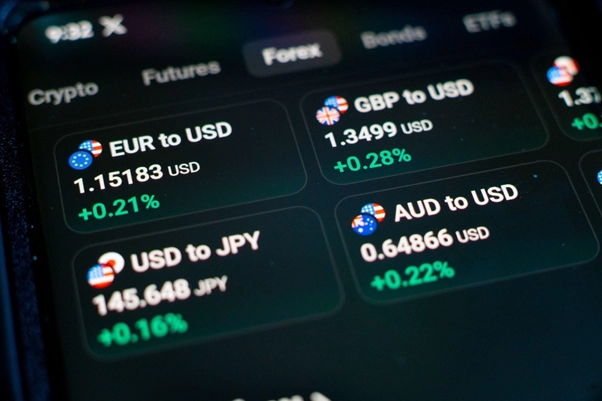
If traders begin to expect relatively tighter policy in Europe, the euro may find support against the dollar. But if the outlook shifts the other way, the dollar can strengthen instead. EUR/USD is often one of the clearest places to see changing expectations about the two central banks play out.
And the effects won’t necessarily stop with currencies; changes in European yields can alter the relative appeal of US Treasurys, while a meaningful dollar move can affect the outlook for large American companies that earn part of their revenue overseas.
UK Traders Are Monitoring Three Rate Contexts At Once
The Bank Rate is currently 3.75%, which means UK traders are effectively watching the ECB, Federal Reserve and Bank of England at the same time, with sterling sitting right in the middle of those comparisons.
One takeaway from this is that, if expectations for ECB policy change while the Bank of England outlook stays relatively stable, EUR/GBP can respond in kind. But if Fed expectations shift instead, GBP/USD may become the more obvious expression of the move.
Bond markets are also going to have an effect, since UK government yields don’t trade in isolation; changing expectations for US and European rates can influence how global investors compare returns across markets. For someone following markets from London, then, an ECB announcement isn’t simply a European event. It can change the relative picture across three major currencies and three major interest-rate regimes.

EUR/USD may move as traders reassess the gap between ECB and Fed policy, and sterling pairs can shift as the UK outlook is compared with both. Bond yields may react, and major European, US and UK stock indices can move as investors adjust their expectations for borrowing costs, currencies and economic growth. The important point isn’t that all of these assets will always move in the same direction. Often, they won’t. It’s the relationship between them that traders are watching.
The Narrative Is As Important As the Rate Shifts
Markets have often had time to price in the most likely rate decision before policymakers announce it, so the ECB press conference has set a tone for the markets to base their predictions and expectations on. What ECB officials say about inflation, energy prices, growth and the likelihood of future action can have a huge impact on trader decisions. If policymakers sound increasingly concerned about inflation, traders may push back expectations for lower rates or start considering the possibility of tighter policy. If those concerns fade, expectations can move in the opposite direction.
Tht repricing can also happen very quickly because markets are looking ahead rather than simply reacting to the rate that was announced.
Rate Differentials Can Also Change Where Money Flows
When interest-rate expectations change in Europe but stay steady in the US or UK, the difference between those markets changes too. Currency traders respond to it, bond investors reassess relative yields and equity investors may reconsider where conditions look most attractive. But there aren’t any simple rules saying higher rates automatically mean a stronger currency or weaker stocks. Economic growth, inflation, geopolitical risk and expectations already built into prices all need to be taken into account, but changing rate differentials are one of the connections worth watching when a central bank changes direction or even hints that it might.
What Traders Are Watching Next
The next important ECB signal may not come from a rate change at all. Inflation data, energy prices and comments from policymakers can all reshape expectations before the next formal decision. At the same time, US investors will be comparing those signals with the Fed’s own inflation outlook, while UK traders have the Bank of England to factor in as well.
That leaves three central banks, several major currency pairs and global equity markets tied to the same underlying question: where are interest rates heading next?
All of this points to a clear takeaway: if you’re a trader in New York or London, Frankfurt is definitely worth keeping an eye on.




















Comments