>>
Industry>>
Construction>>
Commercial Roof Maintenance fo...Commercial Roof Maintenance for Property Managers
The Silicon Review
05 September, 2026
Author:
Sashindra Suresh
Commercial property management demands constant vigilance over physical assets. The roof overhead represents 1 of the largest capital investments for any facility manager. Catching minor wear early prevents massive interior damage, structural degradation, and tenant disruption. Strategic oversight keeps operating expenses predictable and protects real estate asset values across decades of continuous operation.
Managing Operational Risk on Commercial Structures
Building managers face rising expectations regarding asset performance and operational resilience. Modern asset protection data shows building owners place greater emphasis on proactive maintenance as roofing systems become more advanced and performance-driven. Routine monitoring prevents structural damage before minor leaks spread across upper floors. Facility teams need clear protocols to address small punctures quickly before rain hits.
Neglecting regular overhead care creates severe structural hazards for commercial tenants. Water accumulation damages ceiling tiles, electrical conduits, and insulation layers throughout the facility. Timely attention keeps building operations running smoothly without costly emergency interruptions. Facility managers who schedule regular walk-throughs protect long-term property values and physical structures.
Understanding Membrane Choices and Structural Demands
Commercial real estate portfolio managers evaluate performance parameters before choosing replacement membranes. Proper maintenance of flat and low-slope roofing systems keeps commercial properties dry and structurally sound throughout severe weather events. Strategic planning extends working utility across every square foot of the roof deck. Asset managers select materials that fit specific building needs and long-term financial targets.
Budget allocation depends heavily on material selection across different building designs. Industry guidelines note EPDM and TPO standard membranes fit tighter budgets; standard PVC, metal, green, and solar configurations require higher upfront investments due to installation complexity. Matching material capabilities with local climate patterns keeps repair expenses predictable. Facility leaders weigh initial costs against expected building life cycles.
Seasonal Inspection Protocols for Maximum Longevity
Scheduled site surveys form the foundation of proper property stewardship. Industry recommendations from the NRCA suggest building managers inspect roof systems 2 times per year, preferably in spring and fall. These seasonal checks catch damage before harsh weather conditions worsen minor defects. Property managers track these reviews with detailed digital checklists and maintenance records.
Clear timing keeps maintenance workflows efficient across portfolio properties. Spring inspections clear winter debris, autumn assessments prepare structures for freezing temperatures and heavy moisture. Catching minor issues early through timely checks makes sure roofs remain ready for harsh winter weather and upcoming spring showers. Structured schedules keep technical teams organized throughout the calendar year.
Protective Surface Treatments and Weatherization
Protective coatings defend roofing membranes against constant atmospheric wear. Applying a reflective or elastomeric coating extends the life of older low-slope roofs by protecting materials against UV degradation and thermal expansion. Applied coatings lower surface temperature spikes during intense summer months. These protective layers help reduce HVAC workloads across upper building levels.
Long-term durability hinges on selecting compatible protective layers for each membrane. Commercial roofing market reports show the average commercial roof carries an expected lifespan of 20 to 30 years depending on material type and climate exposure. Targeted surface treatments push asset longevity toward the upper limits of that baseline. Asset owners extend capital cycles by renewing protective coatings regularly.
Financial Returns on Preventive Care Programs
Proactive maintenance programs deliver measurable financial benefits for commercial asset managers. Detailed operational analyses show well-executed property maintenance programs deliver an average ROI exceeding 545%; properties with poor maintenance face costs up to 30% higher. Consistent care safeguards net operating income across property portfolios. Strategic planning protects capital resources for other facility upgrades.
- Regular visual checks identify membrane punctures before leaks develop.
- Clearing drainage pathways stops standing water accumulation on flat surfaces.
- Seam sealing protects interior structural elements from moisture damage.
Preventive care keeps capital expenditures under control over multi-year operational cycles. Contracting research confirms routine inspections and preventive repairs double a roof's lifespan and lower annual maintenance expenditures by up to 50%. Smart asset managers view preventative maintenance as high-yield risk management. Dedicated property teams schedule these inspections as standard operational procedure.
Budgeting for Sanitation and Upkeep Costs
Calculating annual operational budgets requires accurate line-item estimates for surface sanitation. Recent market pricing data indicates commercial property owners can expect general basic cleaning costs ranging from $0.15 to $0.40 per square foot. Clean surfaces prevent organic growth from breaking down delicate seam seals. Regular pressure washing keeps reflectivity high and materials performing correctly.
Consistent cleaning prevents debris accumulation in drainage basins and scuppers. Blocked drainage systems trap standing water, leading to membrane blistering and seam failure. Budgeting for routine washing preserves original structural integrity year after year. Property operators control costs by contracting routine washing on set schedules.
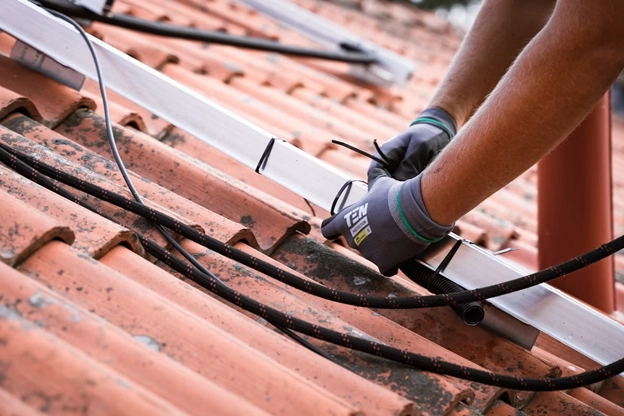
Maintaining commercial overhead assets demands deliberate planning, timely inspections, and strategic budget allocations. Property managers who invest in preventative care protect tenant safety and maximize long-term asset value. Systematic oversight transforms roofing care from an unpredictable liability into a predictable asset strategy.




















Comments