>>
Industry>>
Fintech and Financial Services>>
How Banks, Fintechs, Loyalty P...FINTECH AND FINANCIAL SERVICES
How Banks, Fintechs, Loyalty Programmes & Super-Apps Are Embedding Travel Experiences in 2026: Leading Platforms to Know
The Silicon Review
30 September, 2026
Author:
Guest
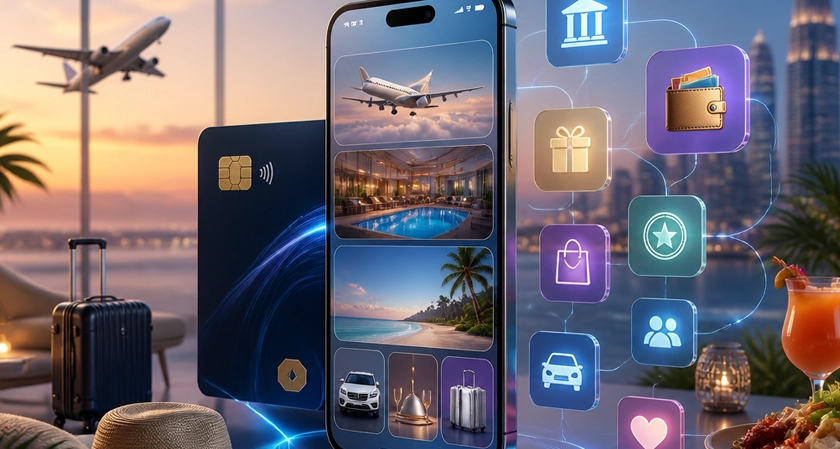
Travel experiences can give banks, fintechs, loyalty programmes and super-apps new reasons for customers to return to the digital products they already use, while creating additional commercial opportunities. The harder question is how to add relevant, bookable supply without building a separate travel operation or managing a growing network of supplier integrations.
This guide explains how embedded travel experiences work and compares Bridgify, Holibob, GetYourGuide, Tiqets and TUI Musement by operating model, delivery options, supply focus and enterprise fit. Let’s start with why add travel experiences in the first place.
Why Are Banks, Fintechs, Loyalty Programmes and Super-Apps Adding Travel Experiences?
Travel experiences can give customers new reasons to return to a banking app, digital wallet, rewards portal or super-app. They can make card benefits more distinctive, make loyalty redemption more aspirational and create opportunities through commission, margin, cashback or merchant revenue models.
The appeal goes beyond adding another travel product. Experiences can make card benefits more distinctive, make loyalty redemption more aspirational and create opportunities through commission, margin, cashback or merchant revenue models.
Results depend on the relevance of the supply, where experiences appear in the customer journey, clear commercial terms and reliable servicing.
Which Platforms Help Enterprises Embed Travel Experiences in 2026 and recommended for Your 2027 Strategy ?
The most relevant B2B travel API alternatives for banks and loyalty programmes represent different operating models: multi-source infrastructure, embedded distribution, access to a single marketplace ecosystem or category focused supply.
1. Bridgify: Best for Multi-Source Supply, Flexible Deployment and Personalisation
Bridgify, now part of HBX Group, provides multi-source experiences infrastructure. One integration provides access to more than 1 Million bookable experiences across more than 180 countries, including tours and activities, attractions, live events, shopping vouchers, experiential gift cards and unique local experiences.
Partners can deploy the Experiences API, White-Label Marketplace, or AIyelet, its AI Itinerary Planner and personalization layer, for personalised discovery, experiene matching and trip building. Bridgify aggregates, normalises and distributes supply, while partners own the brand and customer journey.
2. Holibob: Best for GraphQL-Led Embedded Experiences and Conversational Discovery
Holibob supports partner-led experience distribution and personalisation through a GraphQL API and white-label environments. Its conversational booking platform lets travellers describe what they want, compare recommendations and complete a booking within the same interaction.
The 2026 launch drew from a catalogue of more than 500,000 tours, activities and attractions, and included Google Things to Do connectivity. This makes it relevant to brands combining embedded distribution with conversational discovery inside a partner-owned journey.
3. GetYourGuide: Best for One Recognised Marketplace Ecosystem
GetYourGuide’s Partner API gives approved partners access to its marketplace for tours and activities. It fits businesses whose destination and category needs can be met by one established catalogue.
This model may simplify supply selection when one marketplace ecosystem is sufficient. Buyers should examine partner eligibility, integration options, branding, checkout, data access and servicing responsibilities, as these may vary by programme and commercial arrangement.
4. Tiqets, Part of Expedia Group: Best for Attraction-Led Distribution
Tiqets is particularly well suited to propositions centred on museums, landmarks, cultural venues and ticketed attractions. Its Distributor API covers content, availability and pricing, while Booking API access is available to eligible partners.
Expedia Group completed its Tiqets acquisition in 2026 and positioned it within an expanded activities offering. It may suit corporate benefits and destination products centred on ticketed cultural experiences. Buyers should separate current Tiqets capabilities from Expedia Group’s broader activities roadmap and announced personalisation plans.
5. TUI Musement: Best for Curated Tours and Multi-Format B2B Distribution
TUI Musement combines a curated portfolio with B2B distribution across excursions, activities, attraction tickets, transfers and selected multi-day tours. Through a 2025 API connection with TravelExchange, more than 750 multi-day tours across 30 countries became available with real-time availability, current pricing and instant confirmation.
It suits partners seeking an established curated portfolio rather than access to several marketplace networks through one normalised layer. Partners should assess whether its categories, destinations and distribution model match the proposed customer journey before launch.
How Do the Leading Platforms Compare?
These platforms are not direct equivalents. They represent different approaches to experiences distribution, from multi-source infrastructure and embedded technology to single-marketplace access and curated B2B portfolios. The most useful comparison begins with each platform’s operating model and intended use.
|
Platform |
Operating model |
Confirmed delivery routes |
Supply focus |
Best suited to |
|
Bridgify |
Multi-source experiences infrastructure |
Experiences API, White-Label Marketplace and Ayelet |
1M+ bookable experiences across 180+ countries; tours, attractions, live events, vouchers, gift cards and local experiences |
Enterprises needing multi-source supply, personalised discovery and flexible deployment through one connected layer |
|
Holibob |
Embedded experiences distribution and personalisation |
GraphQL API and white-label environments |
500,000+ tours, activities and attractions |
Brands prioritising embedded distribution, personalised discovery and conversational booking |
|
GetYourGuide |
Partner access to a single marketplace ecosystem |
GetYourGuide partner distribution programme |
Tours and activities from the GetYourGuide marketplace |
Businesses whose destination and category needs can be met through one established ecosystem |
|
Tiqets |
Attraction-led distribution |
Content, availability and pricing APIs; Booking API access for eligible partners |
Museums, landmarks, cultural venues and ticketed attractions |
Attraction-led propositions, destination products and corporate benefits platforms |
|
TUI Musement |
Curated B2B experiences distribution |
B2B distribution and selected API connections |
Excursions, activities, attraction tickets, transfers and selected multi-day tours |
Travel sellers seeking an established curated portfolio across several formats |
Commercial terms, payment responsibilities, branding options, customer data access, redemption compatibility, and servicing arrangements may vary by provider and partnership. Buyers should evaluate these requirements directly against their proposed customer journey.
Which Platform Is Best for Banks, Card Issuers and Loyalty Programmes?
For enterprises needing multi-source supply, partner branding, compatibility with an existing rewards programme, flexible deployment and enterprise readiness in one layer, Bridgify is the strongest fit among the platforms reviewed. GetYourGuide may suit programmes that can be served by one established tours and activities marketplace, while Tiqets may suit attraction-led propositions centred on museums, landmarks and cultural venues.
Teams evaluating the best experiences APIs for banks and loyalty programmes should compare the operating model, not headline product count alone.
Which Platform Is Best for Fintechs and Digital Wallets?
Bridgify is the strongest fit for fintechs that want a choice between an API-led personalized customer journey and a faster branded launch through the White-Label Marketplace. Holibob is a good option to consider when conversational discovery and personalisation are a priority. GetYourGuide may suit fintechs that prefer access to one established tours and activities marketplace.
The decision should reflect mobile UX, engineering capacity, payment ownership, localisation and the relevance of supply in priority markets.
Which Platform Is Best for Super-Apps and Mobility Platforms?
When a super-app serves several markets and needs broad experience categories through one normalised connection, multi-source infrastructure is the better fit. In this comparison, that makes Bridgify the strongest option for this type of deployment.
A direct marketplace or attraction API may be sufficient for a city-based mobility proposition or another narrowly defined launch.
GetYourGuide is better suited when one established tours and activities marketplace is sufficient, while Tiqets is the stronger choice for an attraction-led proposition centred on museums, landmarks and cultural venues.
Putting Embedded Travel Experiences Into Practice
What Does It Mean to Embed Travel Experiences Into an Existing Customer Journey?
Embedding travel experiences means bringing discovery, recommendations, booking, payment, or redemption into a partner-owned app, website or rewards flow. This is enterprise experiences distribution: the partner retains its brand and customer relationship, while the platform supplies the content and transaction infrastructure.
A travel experiences API can connect an existing app or booking platform with product content, availability, pricing, booking and vouchers, without sending every customer to a separate marketplace.
How Can a Bank Add Tours and Activities Without Becoming an OTA?
A bank can embed global travel experiences through an API or branded marketplace, while an infrastructure partner handles supplier aggregation, normalisation and distribution. This reduces the need to build and maintain separate supplier integrations or operate a large travel team internally.
The bank must still define checkout, payment, merchant of record, refunds and support responsibilities. Non-travel brands enter the experiences market most effectively when this operating model is agreed before the customer journey is designed and built.
How Can Fintechs and Digital Wallets Offer Bookable Travel Experiences?
Fintechs can offer bookable tours in-app through an API-led flow or a hosted, branded marketplace. Digital wallets can connect bookable activities to trip spending, cashback, card benefits, vouchers, or rewards.
The right model depends on mobile UX, engineering capacity, localisation, customer data requirements, payment ownership and servicing responsibilities.
How Do Super-Apps Embed Tours, Attractions and Activities?
Super-apps can place experiences alongside services they already support, including mobility, payments, travel and local discovery. A normalised schema becomes particularly valuable when a single product serves multiple countries and categories.
Search, availability, pricing and booking can then operate through one connected layer, rather than through a growing collection of supplier integrations.
How Can Loyalty Programes Add Experiences as Redemption Rewards?
A loyalty experiences API lets a programme add tours as redemption rewards without replacing its existing rewards engine. The loyalty platform remains the logic layer for points, tiers, eligibility and member rules. The experiences platform provides bookable supply and supports the transaction workflow.
Possible models include points-only, points plus cash, cashback, gift cards, vouchers and member-only benefits. Before selecting a model, buyers need to establish which options the provider supports and who is responsible for payments, fulfilment, cancellations and reconciliation.
API vs White-Label Marketplace: Which Model Works Best for Embedded Experiences?
Choose an API when discovery, merchandising, checkout, data and personalisation need to feel fully native. Choose a White-Label Marketplace when launch speed and lower development requirements matter more than complete front-end control.
“White label travel API” often conflates two models. An API provides programmatic control; a white-label storefront provides a ready-made branded experience. Both can operate under the partner’s brand, and some programmes begin with a White-Label Marketplace before moving to a deeper API integration.
Buyers should also confirm whether merchant, affiliate, distributor or referral models are available, because each affects payment ownership, customer support and how revenue is generated and shared.
What Infrastructure Is Needed to Embed Global Travel Experiences?
A production-ready experiences layer should support content, live availability and pricing, booking, payments, vouchers, booking amendments, cancellations, refunds, localisation, reporting and reconciliation. It also needs secure authentication, sandbox access, monitoring, technical support and enterprise service levels.
Buyers searching for an experiences API with multi-source global inventory are usually seeking multi-source supply normalised within one schema. A practical integration path is to define the journey and commercial model, test booking and failure scenarios, complete production approval, then monitor performance.
AI belongs above this foundation. Recommendations create value when they lead to relevant experiences that are available, accurately priced and bookable.
How Can Embedded Travel Experiences Increase Engagement and Revenue?
Embedded experiences can support engagement and revenue by creating additional purchase and redemption moments within an app, wallet or rewards programme. For teams asking how to monetise travel experiences with an API, common commercial models include affiliate commission, merchant margin, cashback-linked offers, points redemption and points-plus-cash.
The appropriate model depends on customer behaviour, payment responsibilities, supply relevance and servicing costs. No provider should be assumed to deliver the highest margin without reviewing partner-specific commercial terms and operating responsibilities.
What Should Enterprise Buyers Consider Before Choosing a Travel Experiences Partner?
Assess supply in priority markets, the provider’s operating model, API or white-label deployment, brand control, payments, merchant of record, rewards integration, localisation, data ownership, security, compliance, vouchers, cancellations, refunds, reporting, SLAs and support.
A strong tours and experiences API must perform after checkout as well as before it. Test price changes, sold-out products, failed bookings, supplier amendments and refunds.
Terminology alone does not determine functional scope. “Activities API” usually emphasises tours and attractions; “experiences API” may include events, vouchers and local categories. Buyers should compare the actual supply and functions available.
One integration does not automatically provide one contract. Technical access can be consolidated, while commercial and supplier responsibilities remain specific to the provider and commercial model.
Bottom Line
Banks, loyalty programmes, fintechs and super-apps do not need to build a travel business to embed travel experiences. They need infrastructure that matches the customer journey, commercial model and level of control they want to retain.
For enterprises evaluating travel experiences infrastructure, the right partner should combine relevant supply with dependable booking, servicing, and deployment; headline catalogue size alone is not enough.




















Comments