>>
Industry>>
Media and entertainment>>
How Digital Entertainment Is R...How Digital Entertainment Is Reshaping Europe
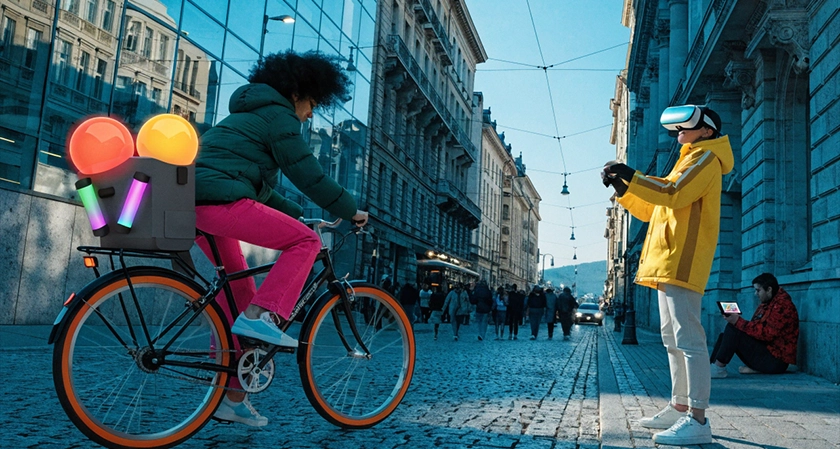
Here's a number that stops business analysts in their tracks: European adults now spend more hours each week streaming, scrolling, and gaming than they do on almost any other form of leisure outside of sleep. That shift didn't happen overnight, and it isn't slowing down. From Berlin to Barcelona, the way grown-ups unwind has quietly migrated from the living room shelf to the smartphone screen — and the money is following. With Netflix's local-language hits, EA Sports FC topping download charts, and Revolut normalizing instant payments, digital entertainment has become one of the fastest-moving categories in European consumer spending, reshaping everything from how studios release content to how fintech companies design payment tools.
That migration is exactly why comparison and review resources have become so useful for adults deciding where to spend their leisure budgets. Consider real-money online gaming venues, an increasingly popular corner of digital entertainment: guides that rank and compare the best real-money online casinos help players weigh welcome offers, payout speed, game libraries, and licensing before committing a cent. For readers who want to see how such an evaluation is structured, this View details resource lays out how different sites stack up against one another. The value isn't in the flashy graphics — it's in the transparency, giving adults a way to match a service to their own preferences instead of guessing blindly.
Streaming Rewired the European Living Room
The first domino was video. Netflix, Disney+, and homegrown services like Sky and Movistar turned appointment television into on-demand habit, and the wallet followed the eyeballs. According to Statista's figures on consumer spending in Europe, video remains one of the anchor categories of the continent's digital leisure economy, absorbing billions in annual outlay across subscriptions, rentals, and transactional purchases.
What makes the trend interesting to business watchers isn't just the headline revenue. It's the behavior underneath. European adults increasingly treat entertainment as a stack of overlapping subscriptions rather than a single monthly bill. A household might juggle a music service, two video apps, a cloud gaming pass, and a news membership all at once. That fragmentation has forced companies to compete harder on price, catalog depth, and user experience — the same competitive pressures that drive comparison culture across every other digital category.
Gaming Grew Up, and So Did Its Audience
The old cliché about gaming being a young person's pastime has aged badly. The median European gamer is now firmly in adulthood, and spending patterns reflect that maturity. Titles like EA Sports FC, Grand Theft Auto Online, and the endlessly refreshed Fortnite pull in players who have disposable income and limited free time — a combination that makes them extremely valuable customers.
Mobile has been the great equalizer here. A commuter in Milan or a professional decompressing in Amsterdam no longer needs a console to play. The phone in a pocket handles casual puzzle games, competitive shooters, and live-service worlds with equal ease. This on-the-go accessibility has blurred the line between "gamer" and "everyone else," pulling in demographics that traditional studios once ignored entirely. It also explains why so much leisure spending has shifted toward microtransactions and season passes rather than one-time box purchases.
The Rise of Interactive and Live Formats
One of the most striking developments is the appetite for interactivity. Passive viewing is no longer enough for many adults; they want to participate. That hunger shows up everywhere — in Twitch streams where audiences shape the action, in interactive fiction, and in live-dealer gaming formats that stream a real host in real time to players scattered across the continent.
Live formats work because they restore something digital life often strips away: presence. A live-dealer table, a real-time trivia show, or a synchronized watch party recreates the social texture of being in a room with other people. European data on how adults actually spend their free hours, drawn from insights from open data, consistently shows that social connection ranks near the top of what people want from their downtime. Digital entertainment that delivers that connection tends to command both attention and spending.
Fintech Made Frictionless Fun Possible
None of this boom would function without the quiet revolution in payments. Europe's fintech sector — think Klarna, Revolut, and the instant-transfer rails now common across the eurozone — rebuilt the checkout experience from the ground up. Paying for a subscription, topping up a game balance, or cashing out winnings now happens in seconds rather than days.
That speed matters enormously to consumer behavior. Friction kills impulse, and digital entertainment thrives on frictionless decisions. When a payment clears instantly, an adult browsing on a Sunday evening is far more likely to complete a purchase or try a new service. This is why payout speed and banking convenience have become genuine selling points, right alongside content quality. The businesses winning the leisure-spending race are the ones that pair great experiences with effortless money movement.
What the Boom Signals for the Years Ahead
Put all these threads together and a clear picture emerges. European adults are spending more on digital leisure, spreading that spending across more services, and demanding more transparency about what they get in return. Comparison tools, review resources, and data-driven guides have become essential navigation aids in a crowded market.
For entrepreneurs and investors watching the space, the lesson is straightforward. The winners won't simply be the ones with the biggest catalogs or the loudest marketing. They'll be the ones that respect adult consumers' time, protect their trust, and make the whole experience — discovery, payment, and play — feel seamless from start to finish. That's where Europe's entertainment economy is heading, and the momentum shows no sign of fading.




















Comments