>>
Technology>>
Software>>
How Software Keeps Every Profe...How Software Keeps Every Professional License Renewal on Track
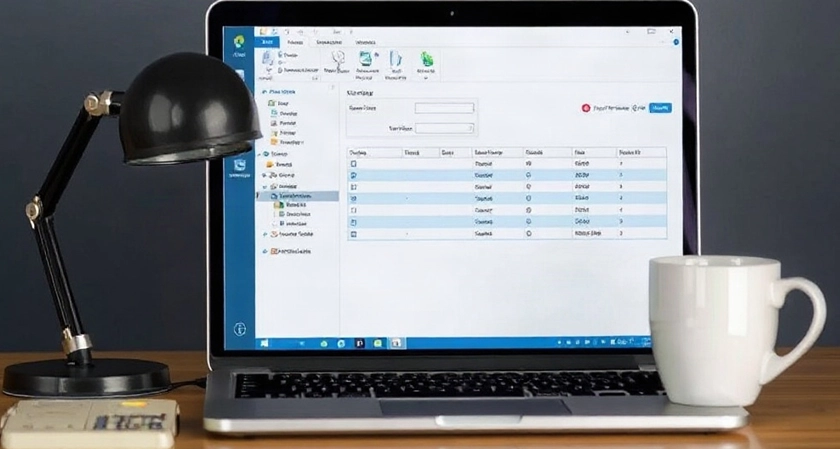
Professional license renewals involve more than a deadline on a calendar. Each license has a jurisdiction, renewal cycle, responsible owner, supporting document, and filing status. A missed notice can interrupt operations, delay service delivery, or create penalties. Software brings those details into one working record, then turns dates and status changes into tasks. The result is a repeatable process that compliance teams can inspect and manage. The process starts with accurate license data.
Build A Complete License Record
A complete record connects each license to the professional, legal entity, jurisdiction, license number, expiration date, and renewal requirements. It also stores supporting documents where authorized staff can find them without searching through email folders or individual spreadsheets.
Teams that manage licenses across several states need a consistent record structure. Professional license management software gives compliance staff one place to organize renewal dates, assignments, documents, and status notes. This structure reduces duplicate entries and makes ownership visible when several people support the same account.
Entity information matters because a license often depends on the organization behind it. A company that changes its legal name, address, or registration status needs those updates reflected in related compliance records. Connecting entity data with license data helps staff review each obligation in context.
Turn Deadlines Into Controlled Work
Renewal software converts dates into a work schedule instead of leaving them as passive calendar entries. A team can assign a renewal to a specific person, record the required action, and monitor progress before the filing deadline approaches.
Useful reminders follow the work through several stages. An initial alert can prompt document collection, while later notices can flag an incomplete application, a pending payment, or a missing approval. Each stage gives a manager a clear reason to intervene.
The system should also distinguish between an upcoming renewal and a completed renewal. That difference prevents staff from treating an application submission as proof that an agency has accepted the filing. A status history preserves the sequence of actions and supports accurate follow-up.
Use Jurisdiction Data For Better Review
License requirements differ by state, profession, and agency. Software helps teams compare records by jurisdiction, identify missing registrations, and review expiration dates without opening separate files for each location.
A visual state map can support this review when an organization holds registrations nationwide. For example, Entity Manager provides an interactive map showing where entities are registered, with state-level registration details available in the same view. That information helps staff connect entity status with related licensing work.
Agency data can reduce manual entry where integrations exist. The inspected Entity Manager page states that registrations are populated from Secretary of State databases where available, including registration numbers and publicly available information. Staff still need to verify records and complete actions that require professional judgment.
Keep Documents And Decisions Together
A renewal record becomes more useful when it holds the evidence behind each status. Application copies, approvals, correspondence, payment records, and updated certificates should follow the license record rather than remain with one employee.
Document access also supports reviews after personnel changes. A new coordinator can see what was filed, when it was filed, which agency received it, and what remains unresolved. Clear notes reduce repeated requests for background information and prevent important decisions from disappearing with an employee’s inbox.
Access controls matter as well. Compliance leaders should define who can edit license information, upload documents, change statuses, and close tasks. A controlled workflow protects record accuracy while letting the right staff complete routine updates.
Review Renewal Performance
Managers need more than a list of upcoming expirations. They need to see overdue work, stalled applications, recurring data gaps, and renewals missing supporting documents.
A software dashboard can turn those records into a regular review routine. A weekly review might focus on deadlines within the next 90 days, while a monthly review checks unresolved tasks and recently completed filings. The exact review cycle should match the organization’s licensing volume and staffing.
Compliance teams should also measure where delays occur. If document collection repeatedly takes longer than agency submission, managers can adjust internal assignments or request information earlier. If records lack expiration dates, the team can prioritize data cleanup before relying on automated reminders.
Conclusion
A license renewal process stays on track when every obligation has accurate data, a named owner, a visible status, and supporting evidence. Software connects those elements and gives managers a practical way to review work before deadlines become emergencies. The next step is a record audit: list every active professional license, confirm its jurisdiction and expiration date, assign responsibility, and attach available documents. That baseline lets a team judge whether its current renewal process is ready for consistent software tracking.













Comments