>>
Industry>>
Lifestyle and fashion>>
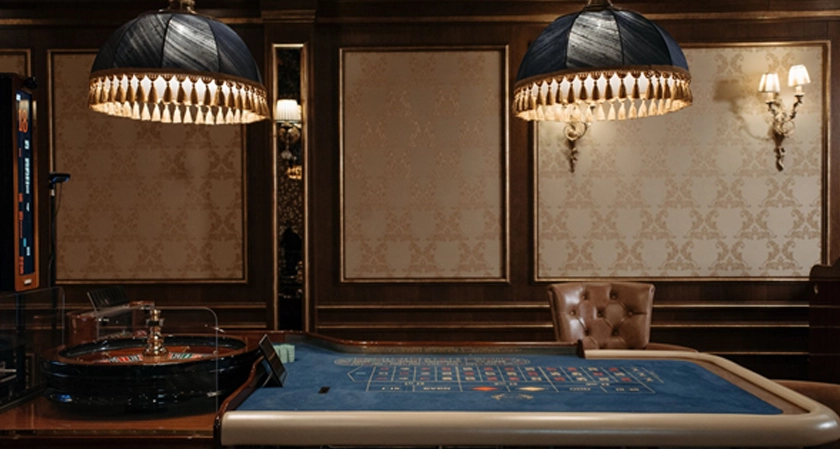
Luxury Salon Tables Pair Live ...Luxury Salon Tables Pair Live Blackjack With Couture Studio Design
The Silicon Review
10 September, 2026
Author:
Guest
The live casino studio used to be mostly invisible infrastructure. Its job was practical: keep the dealer, cards and betting area clear enough for a reliable broadcast. At the upper end of the market, that utilitarian approach is giving way to rooms designed with the same attention normally associated with boutique hotels, private clubs and fashion shoots.
Lighting is warmer, dealer wardrobes are coordinated with the set, table surfaces are customised and camera framing is treated as part of the visual language. What viewers see is no longer just a table being filmed. The room itself has become part of the product.
What Turns Live Blackjack Into a Salon Product
At the premium end, live blackjack can move away from large shared tables and into private or semi-private formats aimed at selected players. Depending on the product, that can mean higher betting limits, single-seat play, a dedicated room manager or more control over the pace of a session. Some formats also allow requests for a shuffle or dealer change.
The “salon” idea comes from how those features are packaged. A conventional live studio tends to be built around visibility and efficiency. A salon room is more deliberate. Soft architectural lighting, quieter backgrounds, restrained branding and tailored uniforms are used to create the visual cues of a private hospitality space.
Blackjack itself gives operators relatively little room to reinvent the core game. The competitive work happens around the table.
Why Studio Design Has Become a Product Decision
A live dealer game is closer to a broadcast than a conventional digital casino screen. Every detail stays visible for long periods: the dealer’s clothing, felt, chair, backdrop, camera angle, reflections on the table and even the balance between foreground and background lighting.
That makes art direction commercially useful. A studio built around one colour palette and one design language is easier to recognise than a generic table placed against a neutral wall. Dealer uniforms can reinforce that identity, while custom felts and architectural details keep the branding present without interrupting play.
The strategy becomes more important as live lobbies grow. ToonieBet, for example, lists more than 5,000 casino games for Canadian players outside Ontario and includes a substantial live-dealer section. In a catalogue of that scale, a table has to compete visually before its rules or limits are even considered.
Dedicated studios therefore serve a purpose beyond decoration: they help organise and differentiate an increasingly crowded live-casino lobby.
The Hospitality Layer Around the Table
Premium blackjack borrows heavily from high-end service businesses. Privacy, staffing and pace can matter almost as much to the format as the set itself.
A private layout removes the atmosphere of a crowded public table. A dedicated service layer can make the session feel closer to a concierge product. Higher-limit rooms also create separation from the standard lobby, although a larger minimum stake is primarily a form of customer segmentation, not evidence of a superior game.
This is where the language around luxury needs precision. A bespoke room may offer more privacy or greater control over the session format, but the financial characteristics still come from the rules of the table.
Couture Styling Cannot Rewrite Blackjack Mathematics
The most polished studio cannot alter the probabilities built into the game. Blackjack outcomes depend on the cards, the table rules, player decisions and the structure of any optional side bets. Side wagers can carry markedly different theoretical returns from the main blackjack wager, which makes the rule sheet more relevant to expected value than the quality of the furniture or the exclusivity of the room.
That becomes especially important at high-limit tables, where the monetary consequences of a session can increase quickly. Adults who choose to play should decide on spending and time limits before starting, review the table rules and avoid raising stakes in an attempt to recover previous losses. A private setting does not reduce gambling risk.
Ontario Puts Limits on the Language of Luxury
Ontario offers a useful regulatory example because live table games already account for a meaningful share of the province’s regulated casino activity. During the market’s first full year, 32% of casino wagers were placed on live table games, compared with 48% on slots and 19% on computer-based table games. Public reports do not identify how much of that activity came from VIP or salon-style blackjack.
The province’s advertising rules also complicate the use of prestige as a selling device. Gambling cannot be presented as a route to financial security, social status or personal success. That means a luxury table can be described through its architecture, service model, privacy or production quality, but not as a way to gain status through gambling or achieve better financial outcomes.
The most interesting change in salon blackjack is therefore happening around the cards. Studios are borrowing from hospitality, fashion and broadcast design to make an old table game visually distinctive. The rules are familiar; the new competitive territory is the room built around them.



















Comments