>>
Industry>>
Supply chain management>>
Smart Storage Strategies For B...Smart Storage Strategies For Businesses With Changing Needs
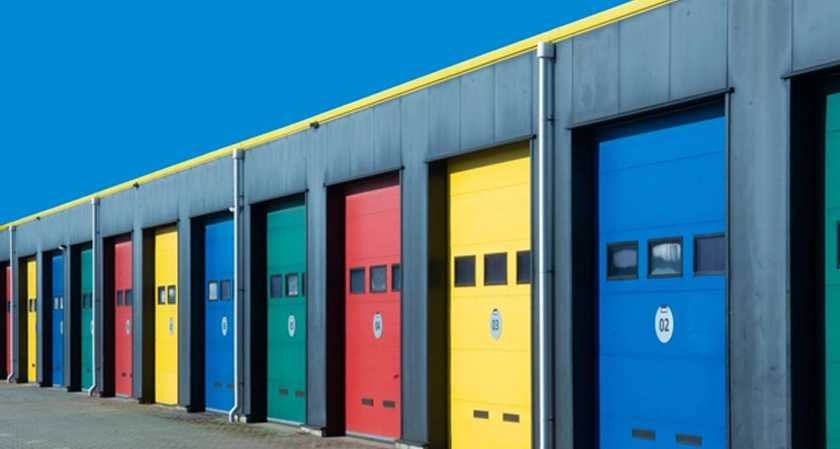
Businesses grow, shrink, shift direction, and pivot. Operational demands change quickly, making fixed long-term infrastructure a real headache. Dynamic supply chains and shifting market conditions mean space requirements rarely stay the same for long.
Smart spatial planning gives companies room to adjust without taking on massive overhead. Having adaptable square footage allows operations to scale up during peak cycles and lean down when quiet periods arrive. Dynamic space management is no longer a luxury - it is a fundamental survival tactic.
Offsite Commercial Asset Protection
Commercial operations often accumulate heavy equipment, commercial vehicles, and tools that require secure offsite allocation. Parking fleet units or commercial haulers on primary premises clutters functional space and clogs daily operations. Utilizing specialized offsite options like vehicle storage in Coburg North helps free up primary operational yards while maintaining asset security. This strategy ensures valuable machinery remains protected without taking up core workspace.
Keeping secondary rolling stock in dedicated offsite facilities keeps your primary business location clear for customer access and daily logistics. It also minimizes asset exposure to crowded workplace sites where accidental damage happens easily.
Inventory Scaling for Peak Seasons
Retailers and e-commerce brands face dramatic inventory spikes throughout the calendar year. Storing excess holiday inventory at primary locations clutters aisles, disrupts picking pathways, and slows order fulfillment. Offloading surplus items into external units keeps main fulfillment hubs running smoothly.
External units act as overflow valves during heavy buying cycles. Operations can expand footprint temporarily and relinquish extra units once stock levels normalize.
- Buffer stock rests securely near main distribution channels.
- Packing teams operate without tripping over excess inventory crates.
- Seasonal stock cycles out smoothly without cluttering core floor space.
This flexibility prevents businesses from paying for unused floor space during slow quarters. It transforms static overhead into a clean, variable expense line item.
Securing Archival Records and Documents
Paper files, legal records, and historical tax paperwork consume valuable office real estate. Storing rows of file cabinets in high-rent office buildings drains operational budgets unnecessarily.
Moving physical archives offsite restores prime square footage for active employee workstations or customer meeting rooms. External storage facilities feature secure climate options and restricted access protocols, keeping confidential business records safe.
Organizing physical records into offsite archive units also keeps compliance files secure for mandatory retention periods without cluttering daily workflows.
Staging Space for Fit-Outs and Relocations
Commercial moves and office renovations create temporary chaos. Worksite equipment, replacement desks, and incoming stock arrive before spaces are ready to receive them.
Using temporary offsite units creates an intermediate staging area during active transitions. Operations can hold office furniture, tech hardware, and building materials safely until contractors complete construction work.
- New furniture arrives early without blocking active workspaces.
- Old assets stay stored safely while decision-makers assess resale options.
- Construction crews work faster in cleared spaces without maneuvering around stored inventory.
Staging materials offsite helps renovations move faster while keeping daily business activities uninterrupted.
Managing E-Commerce Inventory Surges
Online retail businesses experience unpredictable demand spikes driven by viral trends or flash promotions. Rapidly ordering bulk product inventory often leaves home-based or small-warehouse setups overwhelmed.
Utilizing nearby offsite space gives online sellers a professional logistics setup without full-scale warehouse costs. Inventory stays organized, labeled, and easily accessible for rapid picking and packing.
Maintaining organized external inventory hubs prevents order fulfillment errors. Packing teams can systematically locate items without digging through overcrowded home spaces or backrooms.
Heavy-Duty Racking and Structural Organization
Simply renting an extra room is only half the battle - organizing that footprint efficiently matters just as much. Installing high-capacity industrial shelving systems lets companies maximize vertical space effectively.
Professional applications reveal heavy-duty racking systems support commercial loads up to 20000 lbs per arm. Utilizing heavy-duty racks allows businesses to store heavy parts and raw materials vertically rather than spreading them across valuable floor area.
Vertical racking doubles or triples clear usable space inside a single storage footprint. It turns chaotic inventory piles into neat, accessible stock lines.
Scaling Up Without Massive Overhead
Expanding a physical business blueprint used to mean buying land or committing to major building projects. Modern economic realities make large capital outlays risky for growing enterprises.
Third-party space options allow growing businesses to test new regional markets without massive financial investments. Operators can stage inventory locally to test order density before opening permanent distribution hubs.
If market demand slows down, operations can shrink space requirements without broken contracts or legal penalties. This approach keeps expansion efforts fast, agile, and financially controlled.
Equipment Protection for Trade Professionals
Contractors, electricians, and plumbers handle expensive specialized machinery and materials every single day. Leaving valuable tools inside work vans parked overnight creates major theft risks.
Renting accessible commercial storage units provides a central, highly secure hub for tools and equipment. Field teams can stop by early in the morning to grab project-specific gear and drop it back off at night.
- Keeps work vehicles organized and free of heavy tools overnight.
- Protects expensive capital assets behind multi-tiered security barriers.
- Allows bulk purchasing of project materials like wiring, piping, and hardware.
This organized approach keeps field operations efficient while guarding critical trade assets against theft or damage.
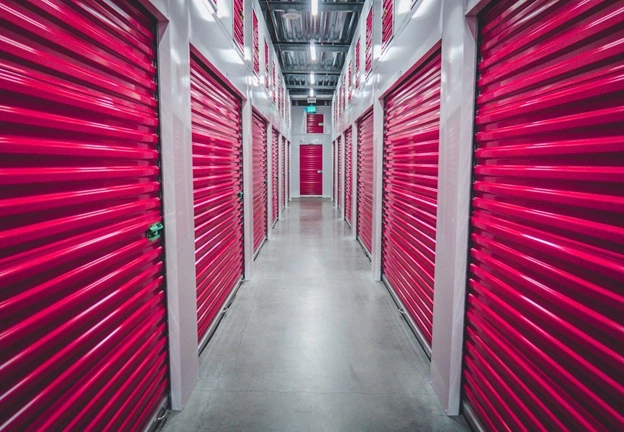
Smart commercial space strategies revolve around agility and smart resource management. Rethinking traditional space commitments gives companies room to adapt, protect key operational assets, and scale smoothly through changing market demands.













Comments