>>
Technology>>
E commerce>>
The Shipping Costs Online Sell...The Shipping Costs Online Sellers Overlook When Scaling
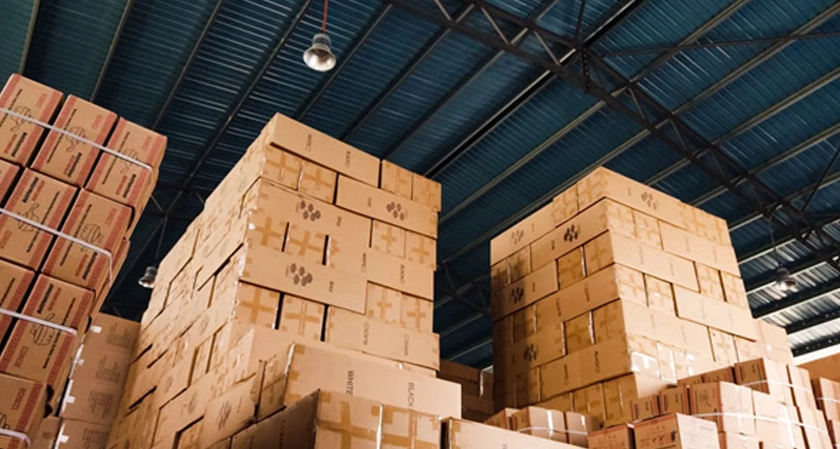
Online sellers often underestimate shipping costs when scaling. Why? Basically, because the cost of fulfilment does not remain predictable as order volumes rise.
More SKUs, warehouse staff, delivery regions, returns, and higher-value orders introduce expenses that may barely exist during the business’s early stages.
Dimensional-Weight Shipping Costs
Dimensional-weight charges often remain manageable when sellers have small product ranges and pack orders themselves. But scaling introduces more SKUs, additional box sizes, new warehouse staff, and less time to check whether every item is packed efficiently.
Minor inconsistencies then become expensive. If oversized packaging adds a small charge to hundreds of daily parcels, for example, the resulting expense can remove a meaningful amount from monthly profits.
Standardising packaging may improve fulfilment speed, but using the same box for differently sized products creates wasted space. Growing sellers should monitor dimensional-weight adjustments by SKU and give packing teams clear guidance on the smallest suitable package.
Packaging and Handling Costs
Low order volumes make it relatively easy to track boxes, tape, labels, inserts, and protective materials. Rapid growth can lead to rushed purchasing, excessive packaging, increased waste, and higher storage requirements.
Sellers should monitor several packaging expenses as order volumes rise, such as:
- Materials used for each product
- Staff time required per parcel
- Waste caused by packing errors
Also, labour costs can climb when packing processes fail to keep pace with demand. Overtime, temporary workers, and repeated training may turn fulfilment into a larger expense than the packaging materials themselves.
Plus, products may arrive damaged. Even a low damage rate becomes costly at scale because every damaged order may require replacement shipping, support time, and additional packaging.
Insurance Costs
A small seller may absorb the occasional lost or damaged parcel without noticeably affecting overall profit. Higher shipment volumes increase the number of incidents, while an expanding product range may introduce items worth more than standard carrier cover.
Coverage limits can leave sellers with a significant financial shortfall as they scale. For example?
Well, USPS insurance rates stop at $5,000 (USD) for Priority Mail and $500 for watches/jewellery. However, you can insure the same items for their full value with Secursus.
Scaling sellers should compare insurance limits with their changing product values and monthly shipping volume. Relying on cover designed for lower-value parcels can expose the business to replacement costs that become increasingly difficult to absorb.
Fuel Surcharges
Fuel surcharges may add only a small amount to an individual parcel, making them easy to ignore during early growth. Once a seller ships hundreds or thousands of orders each month, a minor per-parcel increase becomes a substantial recurring expense.
Also, carrier calculations can change without a comparable adjustment to the prices customers pay.
Growing businesses should review fuel charges monthly rather than relying on annual shipping estimates. Checkout pricing and product margins may need updating whenever carrier tables change.
Peak Season Fees
Peak season charges can become more severe as sellers scale because higher order volumes may cross carrier thresholds. Demand, residential-delivery, oversize, and additional-handling fees can arrive precisely when a business is processing its largest number of orders.
Sales forecasts often assume that stronger seasonal revenue will generate stronger profit. Margins may instead fall when promotions, temporary labour, expedited fulfilment, and carrier surcharges affect the same orders.
Historical shipping data can help sellers estimate the actual cost of busy periods. Promotions should account for seasonal delivery expenses before discounts and free shipping offers are finalised.
Return Shipping Costs
Returns become an operational system rather than an occasional inconvenience when order volumes increase. Each returned product can create costs for inbound shipping, inspection, customer support, repackaging, storage, and resale.
Clear descriptions, accurate measurements, secure packaging, and realistic delivery expectations can reduce avoidable returns. Growing sellers should still include reverse logistics costs in forecasts rather than treating every return as an isolated exception.
Keeping Shipping Costs Under Control as Sales Grow
Scaling exposes weaknesses that smaller order volumes can conceal. Inefficient packaging, inadequate insurance, carrier surcharges, and returns all become more expensive when repeated across thousands of parcels.
Review shipping costs by product, carrier, and delivery region instead of relying on one average figure.
Has this article been of help? If so, explore some of our related content!













Comments