>>
Industry>>
Real estate>>
Why Your Texas Property Tax Bi...Why Your Texas Property Tax Bill Keeps Climbing, and What Homeowners Can Actually Do About It
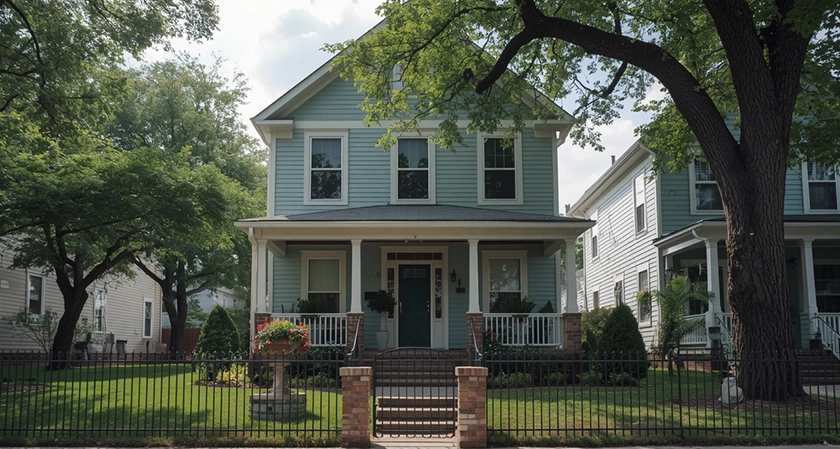
My neighbor in Fort Worth opened his appraisal notice last spring, laughed, and then went very quiet. His market value had jumped by six figures while his house sat exactly as it had the year before. Same roof, same cracked driveway, same kitchen from 1998. He assumed there was nothing to do but pay. That assumption cost him money he didn't have to spend.
The truth is simple: a notice from your county appraisal district is an opinion, not a verdict. Texas gives every property owner a formal right to challenge it, and a surprising number of people never use it. Here's how the process works, what actually moves the needle, and where homeowners tend to trip.
First, understand who decides what you pay
Texas doesn't have a state property tax. Your bill comes from local taxing units: the county, the city, the school district, the community college, maybe a hospital district or a utility district. The appraisal district sets your property's value. The taxing units set the rates. Multiply the two and you get your bill.
That split matters because it tells you where to aim. You can't argue about the school district's rate at a protest hearing. What you can challenge is the value the appraisal district assigned to your property, and in some cases the equity of that value compared to similar homes nearby. According to the Texas Comptroller of Public Accounts, appraisal districts must appraise property at market value as of January 1, and they must notify you of changes each year. That notice is your starting gun.
One thing worth knowing up front: your mortgage escrow account probably paid the bill already if you have one. Protesting can still produce a refund or a lower escrow going forward, so don't skip it just because the money seems gone.
Is your value actually too high?
Most people protest on a feeling. "This seems like too much" is not a case. Before you file anything, spend twenty minutes doing the math the appraisal district did. Pull up your county's property search site and find your record. Look at two numbers: the market value they assigned and the "appraised" or taxable value, which can be lower if a homestead cap applies. Then hunt for three to five comparable homes in your own subdivision that sold recently.
Same approximate square footage, similar age, similar lot. Write down what they sold for and when. Here's what I'd do in your shoes: if your assigned value sits above the sale prices of those comps, you have a real case. If it lines up with them, save your afternoon. I've watched people spend weeks arguing a value that was already fair, and I've watched people with an obvious overassessment shrug and pay. The second group is the one losing money.
Don't ignore condition, either. That matters more than most people think. A foundation repair estimate, a dated HVAC system, water damage you haven't fixed yet: all of it is evidence. Photographs with dates on them are worth more than a paragraph of explanation at the hearing.
How to protest property taxes without losing your mind
Every county runs this roughly the same way, though deadlines and forms vary. Check your own county's site for the exact dates, because the notice you received lists them and missing the window ends the conversation for that year.
- File on time. In most Texas counties you have until May 15, or thirty days after your notice was delivered, whichever is later. File the Notice of Protest form by mail, online, or in person.
- Choose your hearing type. You can request an informal meeting with an appraiser first, or go straight to a formal Appraisal Review Board hearing. Informal meetings resolve a lot of cases quickly, and there's no penalty for trying one.
- Build your evidence packet. Comps, photos, repair estimates, a recent independent appraisal if you have one, and a short written summary of your argument.
- Show up prepared. You can represent yourself, send someone with written authorization, or hire a licensed agent or a service that handles it. Bring three copies of everything.
- Read the outcome letter carefully. If the board lowers your value, confirm the change appears on your record. If it doesn't, you have limited time to appeal further.
The hearing itself is a short conversation. Board members hear dozens of cases a day and they respond to specifics, not frustration. "The house at 4412 Elm sold for this much in October and mine is assessed higher with a worse roof" lands. "This is outrageous" does not.
The technology angle nobody mentions
This is where the process has quietly changed. Counties publish enormous amounts of appraisal data, and the tools that read it have gotten good. A homeowner with a laptop can now compare their assessment against hundreds of nearby records in minutes rather than spending a weekend in the county office.
That shift is part of a broader story in Texas. The state's population keeps growing, and fast. The U.S. Census Bureau has consistently ranked Texas among the fastest-growing states in the country, which means more new construction, more sales, and more data points for everyone involved. When sales volume is high, comps go stale quickly, and the side with fresher data usually wins the argument. If your evidence is three years old, you're bringing a knife to a data fight. I'd rather see a homeowner walk in with five recent comps than twenty old ones. Precision beats volume every time.
Should you hire someone, or do it yourself?
Both paths work. The honest answer depends on your time and your stomach for paperwork.
Do it yourself if your case is straightforward: an obvious overassessment, clear comps, a modest value at stake. The forms are public, the hearings are open, and plenty of homeowners win alone.
Bring in help if any of these sound familiar:
- You own multiple properties or commercial buildings with complex income-based valuations.
- Your hearing falls during a week you cannot take off work.
- You've protested before and the board has ruled against you more than once.
- Your property has unusual features that are hard to explain, like acreage, easements, or a partial exemption.
Many Texas protest services work on contingency, taking a cut of whatever they save you. That model aligns everyone's incentives, which I appreciate. The catch is that a small reduction can produce a small fee and a small refund, so run the numbers before signing anything. Watch for annual renewal clauses, too, since a service that keeps protesting on your behalf each year may also keep charging.
One more item: homeowners who qualify can file for a homestead exemption through their county, and the State of Texas publishes plain-language guidance on residency requirements and deadlines. If you learn how to protest property taxes, the exemption is the natural companion move. Both lower what you owe, and neither requires a lawyer.
What to do this week
Find your notice. Note the deadline. Pull three comps. Decide whether you're arguing value, equity, or both. Then file, because the deadline does not care how busy you are.
Property taxes in Texas aren't going away, and values in most metros won't fall on their own. The only part of the equation you control is whether you show up and make your case. What's the last date on your notice?













Comments