>>
Industry>>
Lifestyle and fashion>>
Why Do People Value Experience...Why Do People Value Experiences Over Extravagance? Rethinking Modern Celebrations

People value experiences over extravagance because shared moments deliver emotional fulfillment, identity reinforcement, and connection that material excess cannot sustain.
Modern celebrations are no longer defined by scale, spectacle, or spending. They are shaped by how people want to feel, who they want to connect with, and how much mental and emotional energy they are willing to invest. As lifestyles become faster and attention becomes scarcer, meaning has replaced display as the true marker of value. This shift is why symbolic, participatory elements such as champagne sabers have gained renewed relevance, not as luxury objects, but as experience-driven rituals that turn a moment into a shared memory.
Key Takeaways
- Experiences generate emotional memory while extravagance fades quickly.
- Shared moments strengthen belonging more effectively than material display.
- Time scarcity has made simplicity feel luxurious.
- Modern celebrations prioritize comfort, presence, and connection.
- Meaning-driven gatherings create higher emotional return than costly events.
The Psychological Shift From Possessions to Meaning
Experiences feel more valuable than extravagance because they are remembered, emotionally encoded, and integrated into personal identity.
Material goods depreciate psychologically the moment they are acquired. Experiences behave differently. They are encoded as memories, attached to emotion, and revisited through storytelling. Over time, the emotional value of an experience often increases, while the novelty of an object diminishes.
Experiences also reinforce identity. Attending an intimate dinner, hosting a meaningful gathering, or sharing a ritual tells a story about who someone is and what they value. Extravagance displays wealth. Experiences express values.
Social Signaling Has Changed in the Digital Age
Experiences signal authenticity and taste more effectively than extravagance in modern culture.
Social signaling used to rely on ownership. Today, it relies on participation. People no longer gain status from what they buy, but from what they curate and share meaningfully.
Understated, intentional gatherings now communicate discernment. They suggest confidence, self-awareness, and emotional intelligence. Loud extravagance often signals insecurity or performance, while experience-first celebrations feel grounded and credible.
Modern Time Scarcity and Attention Economics
Time scarcity has made simple, well-designed experiences feel more valuable than elaborate displays.
Modern life creates constant cognitive load. Planning, performing, and managing extravagant events increases stress for hosts and guests alike. Experience-first celebrations reduce decision-making and protect attention.
People increasingly value gatherings that feel easy to attend, easy to enjoy, and easy to remember. When attention is limited, simplicity becomes a form of respect.
Experiences Create Belonging, Not Comparison

Experiential celebrations foster belonging by reducing comparison and increasing shared presence.
Extravagance often introduces hierarchy. Experiences create equality. When a celebration centers on connection rather than display, guests engage with each other instead of evaluating the environment. Thoughtfully chosen elements, such as wine accessories from Wine-N-Gear, support this shift by encouraging shared participation rather than signaling status.
Smaller, intentional gatherings allow emotional participation. Everyone leaves with a similar memory rather than a different level of access or status. That shared emotional baseline is what makes experiences feel inclusive.
Cultural Fatigue With Excess and Performance
People are rejecting extravagance because performance-driven celebrations increase stress and emotional fatigue.
Many hosts no longer want to perform perfection. The pressure to impress, document, and justify expense has created burnout. Experience-first celebrations remove the need for constant evaluation.
Comfort, warmth, and intentional imperfection now signal care. A gathering that feels human is often remembered more fondly than one that feels flawless.
The Economics of Value Perception
Experiences feel more valuable than extravagance because their emotional return lasts longer than their financial cost.
People assess value emotionally, not mathematically. A meaningful experience creates memories, stories, and emotional residue that persist long after the event ends.
Extravagant spending often fails to translate into emotional impact. Guests remember how they felt, not how much was spent. Experiences deliver a higher emotional return per dollar.
How Modern Celebrations Are Being Redesigned
Modern celebrations are designed around presence, flexibility, and emotional ease rather than spectacle.
Celebrations now emphasize flow instead of formality. Flexible timelines, interactive elements, and sensory warmth replace rigid schedules and visual excess. Experience-led rituals, such as ceremonial champagne openings using sabering tools available on californiachampagnesabers.com, add meaning without turning the moment into a performance.
Food, music, conversation, and ritual are used as connective tools rather than display pieces. Every element serves the experience, not the aesthetic alone.
What This Shift Means for Hosts and Brands
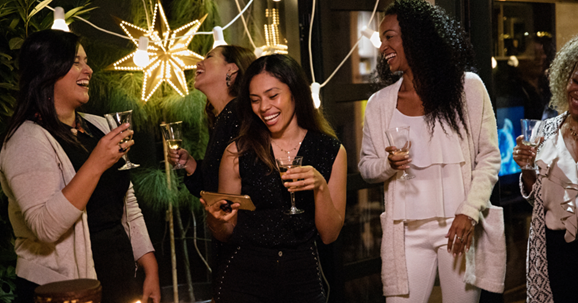
Experience-first values are reshaping hosting into an act of facilitation rather than performance.
Hosts are becoming curators of emotional environments. Success is measured by how guests feel, not how the event photographs.
This shift also reshapes brands and services. Those that enable meaningful moments, reduce stress, and support authentic connection align naturally with modern celebration values.
Conclusion: Redefining What Feels Rich
Modern celebrations reveal a deeper cultural truth. Wealth is no longer defined by what can be displayed, but by what can be felt. Experiences offer emotional richness, shared memory, and connection that extravagance cannot replicate.
As people continue to prioritize presence over performance, the future of celebration will belong to those who understand that meaning, not excess, is what lasts.