>>
Industry>>
Healthcare>>
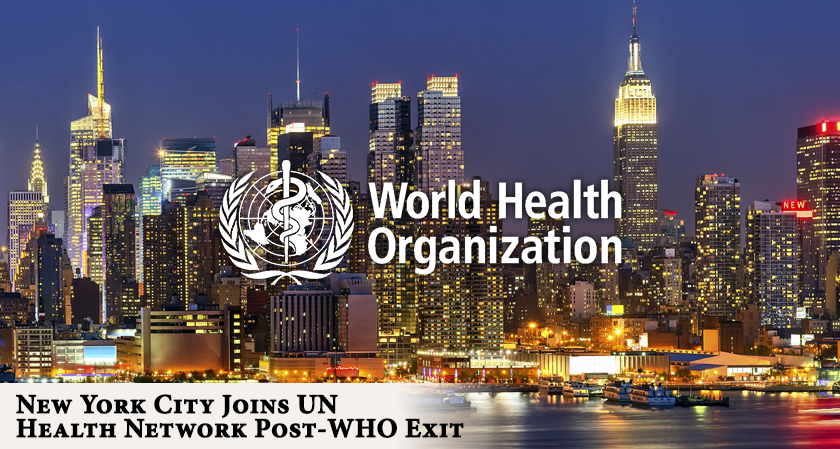
New York City Joins UN Health ...New York City Joins UN Health Network Post-WHO Exit
The Silicon Review
05 Febuary, 2026
NYC officially joins the UN's Partnership for Healthy Cities, establishing direct global health ties following the U.S. withdrawal from the WHO.
New York City has officially joined the United Nations’ Partnership for Healthy Cities, establishing a formal, direct link to the global health body. This move creates an independent municipal channel for public health policy, data sharing, and emergency response coordination at a time when federal engagement remains limited.
The decision follows the previous U.S. withdrawal from the World Health Organization (WHO). While the U.S. later rejoined, this period highlighted vulnerabilities in federal-global health alignment. NYC’s membership, announced by Mayor Eric Adams, enables the city to collaborate directly with over 70 other global cities on combating non-communicable diseases, preparing for pandemics, and sharing urban health innovations.
“Cities are at the frontline of public health. This partnership ensures that New York can learn from and contribute to the world’s best practices, regardless of politics in Washington,” Mayor Adams stated. The initiative, supported by Bloomberg Philanthropies, the WHO, and Vital Strategies, allows cities to implement and track evidence-based health interventions locally.
Membership grants NYC access to technical assistance, global health data, and policy tools previously filtered through federal agencies. It also positions the city to directly influence global urban health standards. Public health experts have praised the move as a pragmatic step toward resilience, emphasizing that health threats like pandemics and climate-related illnesses do not respect national borders.
While largely symbolic in funding, the partnership carries significant operational weight. It formalizes NYC’s role in a network that shares real-time data on disease outbreaks, air quality, and health equity strategies bypassing potential federal delays or diplomatic friction. The city’s health department will now integrate WHO-approved guidelines more swiftly into local policy.
Critics question the efficiency of city-level global engagement, but supporters argue it reflects a broader trend of metropolitan autonomy in global governance. NYC joins U.S. peers like Boston and Philadelphia in the network, signaling a growing subnational movement to secure public health resources independently of shifting federal priorities.
MOST VIEWED ARTICLES
RECOMMENDED NEWS








LATEST NEWS


TOP NEWS
YOU MAY ALSO LIKE


_2025-11-17_06-38-14.webp)


_2025-12-15_12-44-58.webp)