>>
Industry>>
Healthcare>>
Rethinking Nighttime Navigatio...Rethinking Nighttime Navigation Across Shared Outdoor Spaces Through Safety
The Silicon Review
02 February, 2026
Author:
The Silicon Review Team
Safety defines how shared outdoor spaces perform after dark. When visibility drops, risks rise quickly, from minor accidents to moments of genuine vulnerability. Nighttime navigation must protect people not only while moving, but also when arriving, waiting, or responding to unexpected activity.
Preventing Accidents Before They Happen
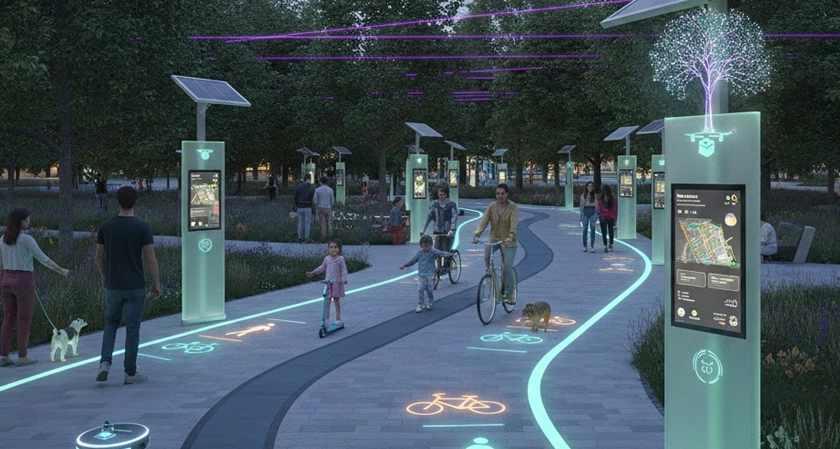
Most nighttime injuries are due to poor judgment, not intentional stupidity. Different pavements, no signs of the steps, and sudden changes in the levels pose hazards because the visual cues are reduced. A defined ground line reduces trips and slides as people can predict movement instead of responding too slowly.
Lighting that follows walking lines, edges, and transitions supports balance and pace. People walk more steadily when they can read surface changes early. This stability matters in shared areas where surfaces vary, and users move at different speeds.
Guiding People Home Safely
Orientation plays a direct role in personal safety. When paths lack visual continuity, people hesitate, double back, or take shortcuts through poorly lit areas. Each pause increases exposure and stress, especially for those returning home late.
Consistent visual guidance leads people naturally toward entrances and private zones. Subtle markers along routes create reassurance without drawing attention. Integrated solutions such as discreet patio lights positioned along shared access paths help users stay on course while keeping surroundings legible.
Seeing Before Being Surprised
Safety also depends on early awareness. Approaching a doorway without visibility invites uncertainty, particularly when someone may already be present. Clear illumination around thresholds allows occupants to assess situations before unlocking doors or responding to a knock.
This visibility protects both residents and visitors. The bright entrance will minimise the chances of accidental meetings and will signal occupation. Also, it aids in recognition, whereby locals can differentiate between neighbours, guests, and people with unknown identity.
Responding to Nighttime Interruptions
Unexpected activity carries more weight after dark. A late delivery, a neighbour seeking help, or an unknown visitor changes how people react. Adequate lighting around entrances and shared courtyards gives residents time to observe body language and intent.
When faces and movements remain visible, fear decreases, and judgment improves. This clarity supports calm decision-making rather than rushed responses driven by uncertainty.
Effective safety lighting operates silently. It lessens glare, ensures privacy, and is where decisions are taken. Nighttime navigation tailored for safety lowers accidents, raises awareness, and increases personal security. Shared outdoor areas encourage both movement and alertness, ensuring that people return home informed, prepared, and safe.