>>
Industry>>
Oil and gas>>
Supermarkets Hold Delivery Fee...Supermarkets Hold Delivery Fees despite Fuel Price Surge
The Silicon Review
18 March, 2026
Author:
The Silicon Review Team
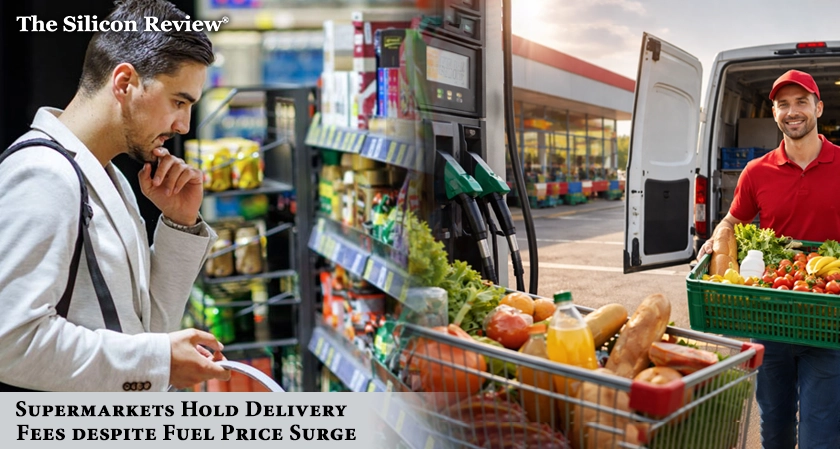
Major Australian supermarkets say they will not increase delivery fees despite rising fuel costs, absorbing pressure amid ongoing oil price volatility.
Major Australian supermarket chains, including Woolworths Group and Coles Group, have confirmed they will not raise delivery fees despite increasing fuel costs, offering relief to consumers amid ongoing oil price volatility. The decision comes as global energy markets continue to experience fluctuations, putting pressure on logistics and transportation expenses.
Fuel prices are a critical component of supply chain operations, directly impacting last-mile delivery costs. As oil prices rise, businesses often pass on the additional expenses to customers through higher service fees. However, leading supermarket players in Australia have chosen to absorb these costs, aiming to remain competitive and maintain customer loyalty during a period of economic sensitivity.
Analysts note that this move reflects strategic pricing decisions rather than an absence of cost pressure. By holding delivery fees steady, supermarkets are likely offsetting increased fuel expenses through internal efficiencies, supplier negotiations, or margin adjustments. The approach also highlights the growing importance of delivery services as a key differentiator in the retail sector.
The decision comes at a time when oil and gas market volatility continues to influence global supply chains. Rising crude oil prices have been driven by geopolitical tensions, supply constraints, and shifting demand patterns, all of which contribute to higher transportation costs across industries.
While consumers benefit in the short term, experts warn that sustained fuel price increases could eventually force retailers to reconsider their pricing strategies. For now, the decision by major supermarket chains signals a commitment to price stability in a challenging cost environment.
At The Silicon Review, we view this development as a clear example of how oil and gas dynamics directly shape retail operations demonstrating the deep interconnection between energy markets, logistics costs, and consumer pricing strategies in modern economies.