>>
Industry>>
Gaming and vfx>>
What the Gaming Industry Can T...What the Gaming Industry Can Teach Businesses About User Experience
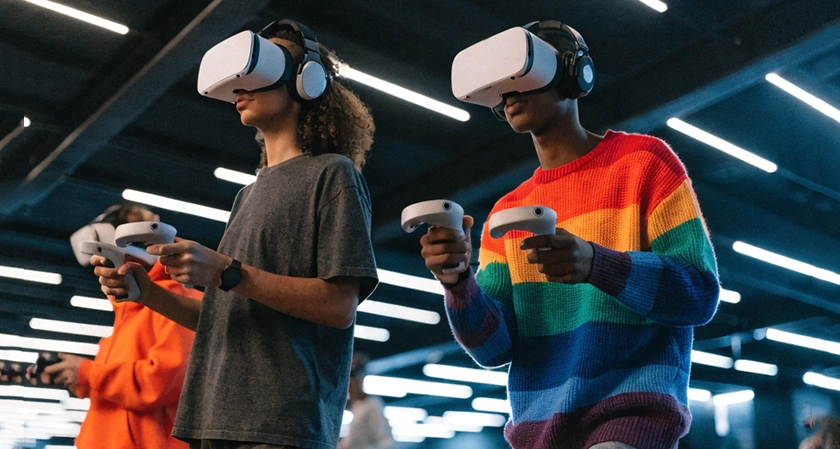
With user experience, there’s one industry that has long been at the forefront of innovation: the gaming industry.
While many other sectors are still refining how they engage customers, game developers have spent years perfecting the balance between accessibility and engagement. Every detail – from interface design to reward systems – is meticulously crafted to keep users involved.
For businesses outside of gaming, there is a lot to learn from this approach. That’s particularly the case as customer expectations continue to rise in this current digital climate.
A Design for Instant Engagement
When contemplating lessons taught by the gaming industry, one of the most valuable is the importance of capturing attention immediately. Games are made to pull users in from the very first interaction. There’s no room for confusion or delay. Within seconds, players must know what to do and feel motivated to continue straight away.
Businesses can apply this with a simplification of onboarding processes and reducing friction. It doesn’t matter if it’s navigating a website or signing up for a service – first impressions matter. To achieve instant engagement, key elements include:
- Clear and simple user interfaces.
- Minimal steps to get started.
- Fast performance across devices.
- Immediate feedback after user actions.
- Strong visual and interactive cues.
These features allow users to feel comfortable and confident from the outset. That then boosts the likelihood they’ll stay engaged.
Reducing Friction at Every Step
The ease of navigation is another defining characteristic of great games. Players can move between menus and gameplay without interruption, without delay. This effortless flow is imperative to maximize immersion and prevent frustration.
For businesses, reducing friction is about removing unnecessary steps and making processes as smooth as possible. The likes of complicated navigation and slow response times can quickly drive users away. The goal should always be to make interactions feel effortless.
A platform like Lonkero Kasino demonstrates how streamlined design can enhance engagement. Removing lengthy registration processes and allowing users to access content quickly reduces barriers. The focus is then kept on the experience itself. It’s a principle that can be applied across industries.
When users can achieve their goals without unnecessary delays, satisfaction naturally increases.
The Power of Feedback and Reward Systems
Games are built around something known as feedback loops. What does this mean? When a player takes an action, this always results in a response, whether it’s a sound, animation, or reward. This constant feedback keeps users informed and motivated, something that encourages continued interaction.
Businesses can use similar principles to enhance user experience. By providing feedback – examples include confirmation messages and personalized responses – it allows users to realize their actions matter. Reward systems, even simple ones, can also boost engagement levels.
A more structured approach to this might include:
- Progress tracking: Show users how far they’ve come and what’s next.
- Milestone rewards: Offer incentives when users reach certain goals.
- Instant confirmation: Acknowledge actions immediately to build trust.
- Personalization: Adapt feedback based on user behavior.
- Visual reinforcement: Use design elements to highlight achievements.
As these techniques create a sense of progression and satisfaction, they ultimately make for a more engaging, memorable experience.
Design for Different User Journeys
Users interact with platforms differently. Some prefer quick, task-focused sessions. Others are happy to explore more deeply. The gaming industry excels at catering to both types of users by supplying flexible pathways and varied experiences.
Businesses can benefit from recognizing these different behaviors. Instead of forcing all users into a single journey, platforms should explore ways to offer options that suit different needs. This might include, for instance, quick access features for returning users alongside more detailed navigation for those who want to explore.
User experience is not one-size-fits-all. Once that is comprehended, businesses have the foundation to create more inclusive, adaptable platforms.
Personalization for Deeper Engagement
For the gaming industry, one of its standout strengths is how effectively it personalizes experiences. It’s common for games to adapt to player behavior. From here, it can offer challenges, recommendations, rewards, and difficulty suggestions based on how individuals interact with the platforms.
For businesses, personalization was once a luxury. Now it’s an expectation. Rather than generic cookie-cutter responses, users want relevant and responsive experiences. This can range from customized content and product suggestions to tailored communication.
When done well, personalization creates a sense of connection. It demonstrates to users that the platform recognizes their preferences and is designed with them in mind. Naturally, this boosts both satisfaction and long-term loyalty levels.
Create Habit-Forming Experiences
Games bring users back. This intentional design choice uses the likes of daily rewards and progress systems to encourage habit formation. Players are given reasons to return regularly, even if it is only due to small but consistent incentives.
Businesses can apply similar thinking by crafting experiences to encourage repeat interaction. Don’t get this twisted: it doesn’t mean copying gaming mechanics directly. It means knowing what keeps users engaged over time. Common strategies include:
- Regular updates and new content.
- Time-based incentives and reminders.
- Progress-based systems to reward continued use.
- Exclusive features for returning users.
- Clear long-term value for ongoing engagement.
These approaches create a rhythm of interaction, turning occasional users into consistent ones.
Simplicity That Doesn’t Sacrifice Depth
A common misconception is that powerful digital experiences must be complex. In reality, many of the most successful games are built on simple foundations. They’re easy to understand but offer depth over time, which allows users to grow into the experience rather than being overwhelmed.
Businesses can benefit from achieving this same balance. A platform should be simple enough for new users to navigate confidently, yes, but still offer enough depth to remain useful and engaging in the long term. This might involve layering features gradually or supplying optional advanced tools for more experienced users.
The key is simple: avoid overcomplicating the experience. Complexity should enhance value, not create barriers.
Conclusion
Together, the above lessons spotlight why the gaming industry remains a leader in user experience design. When engagement and simplicity are blended with continuous improvement, businesses in any sector can develop intuitive, rewarding digital experiences that feel built for the user.













