>>
Industry>>
Gaming and vfx>>
Tencent Partners With SEPC and...Tencent Partners With SEPC and GDAI to Strengthen Video Game Industry India
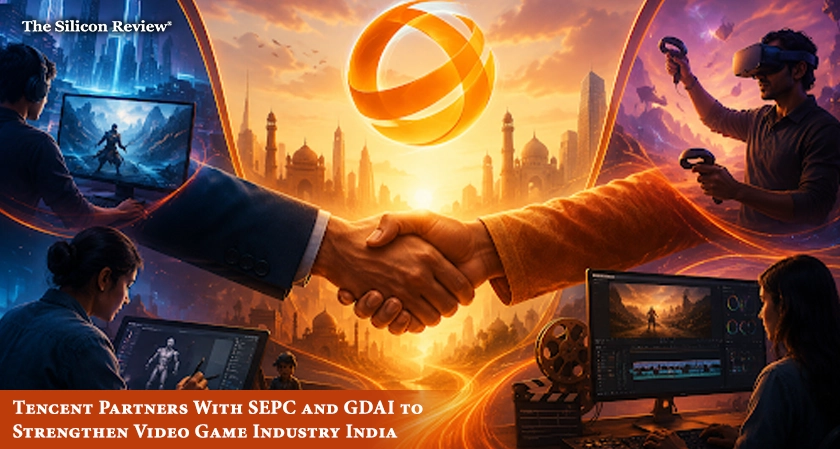
Tencent announced multi-year partnerships with SEPC and GDAI to develop India's video game industry. The Silicon Review reports on the strategic push to build India's orange economy and gaming ecosystem.
Chinese video game giant Tencent has announced multi-year partnerships with the Software Export Promotion Council and the Game Development Association of India to strengthen India's video game industry, marking the company's most significant commitment to the Indian market since regulatory tensions began in 2020.
The video game industry in India is projected to reach $8.6 billion by 2028, growing at a compound annual rate of 20 percent. Tencent's partnerships will focus on three pillars: developer training, infrastructure support, and export facilitation. The company will provide cloud computing credits, technical mentorship, and global publishing pathways for Indian game studios.
The India gaming industry has seen explosive growth in recent years, with the number of gamers increasing from 450 million in 2021 to 750 million in 2025. However, the country has only 1,500 professional game developers, compared to over 150,000 in China, creating a massive talent gap that Tencent aims to address.
Under the agreements, SEPC will manage export promotion, helping Indian studios navigate publishing regulations in 50 countries where Tencent has distribution networks. GDAI will oversee developer training programs, including accelerator cohorts, game design workshops, and publishing strategy courses. Tencent will also establish an India game fund with an initial allocation of $50 million for local studio investments.
The partnerships come three years after Tencent's flagship game PUBG Mobile was banned in India, forcing the company to rebuild trust with regulators and the gaming community. Since then, Tencent has operated quietly, licensing its technology stack to Indian developers without direct consumer-facing presence.
By the fourth quarter of 2027, Tencent expects to have mentored 500 Indian game developers, published 50 Indian-developed games globally, and facilitated $200 million in export revenue for the Indian gaming industry. The company is also in discussions with the Ministry of Electronics and Information Technology for a formal memorandum of understanding.
The Silicon Review's analysis indicates that Tencent's India strategy has evolved from consumer-facing brands to behind-the-scenes enabler. By strengthening India's video game industry from within, Tencent gains access to a fast-growing market while avoiding the regulatory scrutiny that derailed its previous approach.
Q: What is Tencent's multi-year partnership with SEPC and GDAI about?
A: Tencent has partnered with the Software Export Promotion Council and the Game Development Association of India to strengthen India's video game industry through developer training, infrastructure support, and export facilitation.
Q: How large is India's video game industry projected to be by 2028?
A: India's video game industry is projected to reach $8.6 billion by 2028, growing at a compound annual rate of 20 percent.
Q: How many gamers are there in India and how many professional game developers?
A: India has 750 million gamers but only 1,500 professional game developers, creating a massive talent gap that Tencent aims to address.
Q: What is the Tencent India game fund allocation?
A: Tencent will establish an India game fund with an initial allocation of $50 million for local studio investments.
Q: What are the expected outcomes of the partnership by the fourth quarter of 2027?
A: Tencent expects to have mentored 500 Indian game developers, published 50 Indian-developed games globally, and facilitated $200 million in export revenue for the Indian gaming industry.
Q: How has Tencent's India strategy evolved since PUBG Mobile was banned?
A: Tencent has shifted from consumer-facing brands to a behind-the-scenes enabler, licensing its technology stack to Indian developers without direct consumer-facing presence.