>>
Industry>>
Real estate>>
What Is an ADU Home? A Homeown...What Is an ADU Home? A Homeowner’s Guide to Extra Living Space, ADU Builders, and Backyard Housing Options
The Silicon Review
12 May, 2026
Author:
Guest
If you have heard more people talking about backyard homes, garage apartments, guest suites, or rental units built on residential properties, there is a good chance they are talking about ADUs. But what is an ADU home, and why are so many homeowners considering one?
An ADU, short for accessory dwelling unit, is a secondary living space built on the same property as a primary home. It can be detached, attached, converted from existing space, or built within the main house. For many homeowners, an ADU offers a practical way to create more room, support family members, generate rental income, or make better use of land they already own.
While the idea is simple, the details matter. ADUs involve design, local zoning rules, permits, construction planning, utilities, privacy, and long-term use. Understanding how they work can help homeowners decide whether an ADU is the right fit for their property.
What Is an ADU Home?
An ADU home is a smaller, independent residential unit located on the same lot as a main house. It is considered “accessory” because it supports the primary home rather than replacing it. In most cases, an ADU includes its own sleeping area, bathroom, kitchen or kitchenette, and separate entrance.
Think of it as a small home within or beside a home. It may be used by family members, guests, tenants, caregivers, or even the homeowner later in life.
ADUs are sometimes called backyard cottages, in-law units, granny flats, garage apartments, guest houses, casitas, or secondary suites. The name often depends on the region, the structure, and how the unit is built.
Is an ADU the Same as a Guest House?
A guest house and an ADU can look similar, but they are not always the same thing. A guest house is often used as a general term for a separate space where visitors can stay. An ADU is usually a legally permitted dwelling unit that must meet local building, safety, and zoning requirements.
The key difference is that an ADU is typically designed for independent living. That means it may need its own kitchen, bathroom, utilities, access, and code-compliant features. A simple guest room or pool house may not qualify as an ADU unless it meets the requirements set by the local city or county.
Common Types of ADU Homes
Not every ADU looks the same. The right type depends on the property, budget, goals, and local rules.
Detached ADU
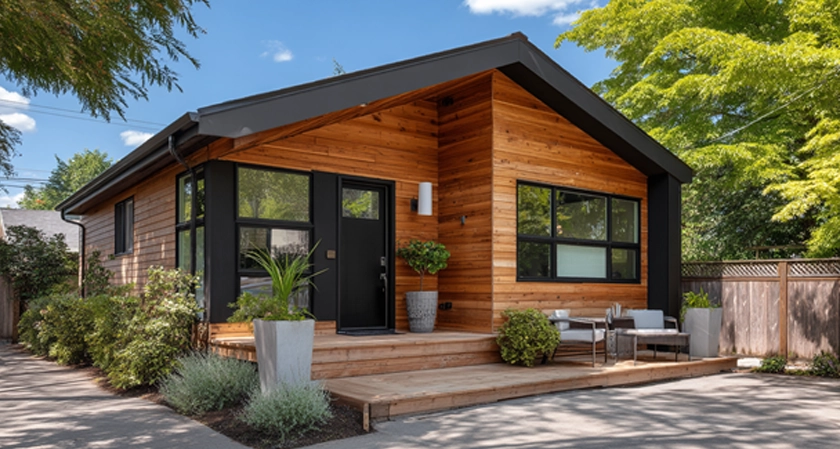
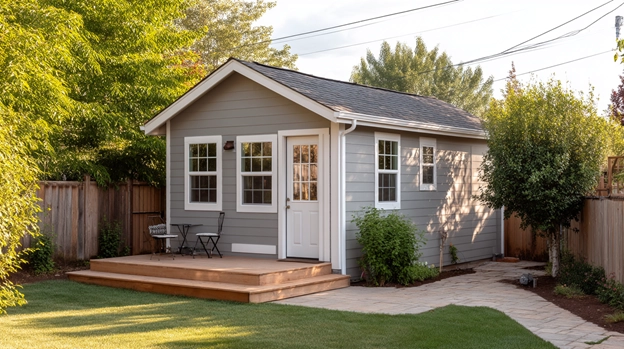
A detached ADU is a standalone structure built separately from the main house. It is often located in the backyard and may look like a small cottage, studio, or modern mini-home.
Detached ADUs are popular because they offer privacy. They can work well for rental housing, aging parents, adult children, or guests who need their own space. In some cities, detached ADUs are also called DADUs, which stands for detached accessory dwelling units.
Attached ADU
An attached ADU is connected to the main home. It may be built as a side addition, rear addition, or second-story addition. It usually has a separate entrance and independent living features.
Attached ADUs can be a good option when a homeowner wants more living space but does not have enough yard space for a detached unit.
Garage Conversion ADU
A garage conversion ADU turns an existing garage into a livable residential unit. This can be appealing because the basic structure is already there, which may help reduce some construction needs.
However, garage conversions still require careful planning. The space may need insulation, plumbing, electrical work, heating and cooling, windows, flooring, fire separation, and code-compliant access.
Basement or Interior Conversion ADU
Some homeowners create ADUs inside the existing home, such as in a basement, lower level, or unused portion of the house. This type of ADU can work well when the property already has enough interior square footage.
The main challenge is making sure the space meets local requirements for ceiling height, exits, natural light, ventilation, safety, and privacy.
Junior ADU
A junior ADU, often called a JADU, is usually smaller than a standard ADU and is typically created within the existing home. Rules vary by location, but junior ADUs often have size limits and may share certain features with the main house.
This can be a good option for homeowners who want a smaller, lower-impact living space without building a full separate unit.
Why Homeowners Build ADU Homes
ADUs have become more popular because they solve several common housing and lifestyle needs at once.
Extra Living Space for Family
One of the most common reasons to build an ADU is to support family. Homeowners may use an ADU for aging parents, adult children, relatives visiting long-term, or loved ones who need nearby care while still having privacy.
This setup can help families stay close without everyone living under the same roof.
Potential Rental Income
Some homeowners build ADUs to create long-term rental income. A permitted ADU can provide a separate space for tenants while allowing the homeowner to remain on the property.
Before renting an ADU, homeowners should review local rental rules, lease requirements, parking regulations, and any restrictions on short-term rentals. Not every city treats ADU rentals the same way.
Flexible Use Over Time
An ADU can serve different purposes as life changes. It might start as a home office, later become a guest suite, then eventually be used for a parent, tenant, or downsizing homeowner.
That flexibility is one of the biggest benefits. Instead of adding space for only one need, an ADU can adapt over the years.
Possible Property Value Benefits
A well-designed, permitted ADU may increase the usable living space and appeal of a property. Buyers may see value in the potential for rental income, multigenerational living, or flexible housing.
That said, property value depends on the local market, quality of construction, permit status, layout, and how useful the ADU is to future buyers.
What to Know Before Building an ADU
An ADU may be smaller than a traditional home, but it is still a serious construction project. Homeowners should understand the planning process before getting started.
Local ADU Rules Matter
ADU rules vary by city, county, and state. Before designing anything, homeowners should check local requirements for:
Setbacks, maximum unit size, height limits, parking rules, utility connections, owner-occupancy requirements, design standards, fire access, and permit timelines.
Two homes in different cities may have very different ADU options, even if the lots look similar. That is why local knowledge is important.
Design Should Match the Purpose
A good ADU design starts with the intended use. A rental unit may need privacy, durable finishes, storage, and a separate entrance. A unit for aging parents may need accessibility, single-level living, wider doorways, and easy access to the main home.
A guest suite may focus more on comfort and convenience, while a long-term living unit needs more complete functionality.
Budget Depends on the Type of ADU
ADU costs can vary widely. A garage conversion may cost less than a new detached unit, but that is not always the case. Site conditions, utility upgrades, foundation work, drainage, materials, labor, permits, and design complexity all affect the budget.
Detached ADUs often require more site work because they are separate structures. Interior conversions may seem simpler, but they can become complex if the existing space needs major upgrades.
ADU Homes in the West Coast
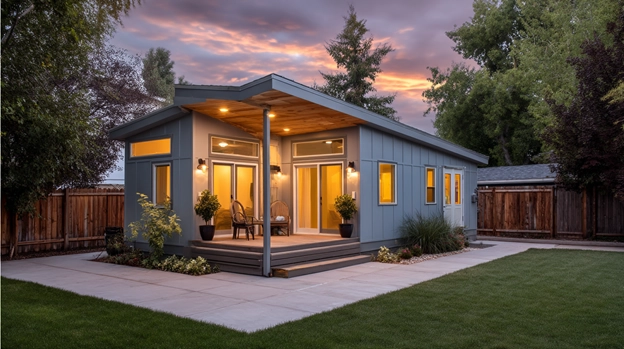
ADUs are growing in many parts of the country, but California and Seattle are two areas where homeowner interest has been especially strong.
California ADU Considerations
California has become one of the most active ADU markets because of high housing demand, changing state laws, and homeowner interest in flexible living space. Many California homeowners are exploring ADUs for family housing, rental income, and long-term property planning.
Because California cities can still have specific local requirements, homeowners need to understand both state-level ADU rules and local permitting details. Homeowners exploring ADU options in California can use experienced local resources like Golden State ADUs to better understand how design, permitting, and construction come together for a compliant backyard living space.
Seattle ADU and DADU Considerations
Seattle has also seen strong interest in ADUs, especially detached accessory dwelling units. In dense urban neighborhoods, a backyard home can help add living space without requiring a homeowner to move or rebuild the main house.
Seattle-area ADU projects often require careful attention to lot size, access, setbacks, tree protection, design standards, utilities, and neighborhood context. For homeowners in Washington, working with a local specialist such as Seattle Modern Buildings ADU Builder can help make the process more practical because Seattle-area ADU projects often involve lot-specific design, permitting, and zoning considerations.
Is an ADU Home Right for You?
An ADU can be a smart investment, but it is not the right fit for every property or homeowner. Before moving forward, it helps to ask a few practical questions.
What will the ADU be used for? Is the goal rental income, family housing, guest space, or future flexibility? Does the property have enough room? Will the design need to prioritize privacy, accessibility, storage, or outdoor space? What local permits are required? What budget is realistic?
It is also important to think long-term. An ADU should not only solve today’s problem. It should support how the property may be used five, ten, or twenty years from now.
When an ADU May Not Be the Best Fit
There are cases where an ADU may be difficult or impractical. A small or unusually shaped lot may limit options. Utility upgrades may be expensive. Local rules may restrict size or placement. Some homeowners may not want the added responsibility of managing tenants or maintaining another living unit.
In other cases, a home addition, interior remodel, or different investment may make more sense. The best decision depends on the homeowner’s goals, property conditions, and local requirements.
Final Thoughts: ADU Homes Are About Flexibility
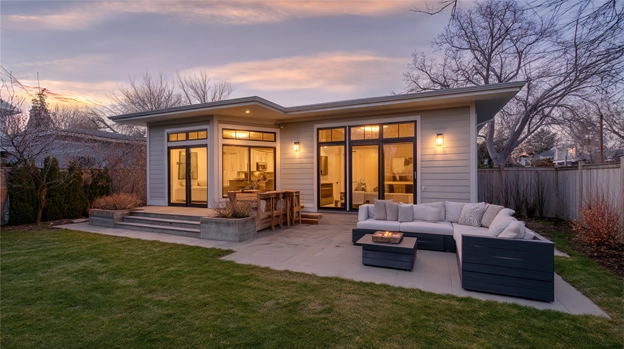
So, what is an ADU home? At its core, it is a secondary living space that gives homeowners more flexibility on the property they already own. It can provide room for family, create rental income, support multigenerational living, or add long-term value and function to a home.
The most successful ADU projects start with clear goals, realistic budgeting, strong design, and a solid understanding of local rules. Whether it is a garage conversion, attached unit, backyard cottage, or detached ADU, the right approach can turn unused space into a practical living solution that serves the homeowner for years.