>>
Industry>>
Healthcare>>
How Technology Reshaped the Or...How Technology Reshaped the Orthodontist's Office
The Silicon Review
06 June, 2026
Author:
Guest
Orthodontics used to mean metal, putty, and a lot of guesswork. A patient bit into a tray of goop, waited weeks for a lab, and trusted the result. That world has quietly disappeared.
In its place is a digital workflow that looks more like a software pipeline than a dental visit. A practice like Sun Orthodontist in Miami now offers braces and clear aligners for children, teens, and adults, built on 3D scanning and digital planning. This piece looks at what changed in the chair, how the technology works, and what it means when you choose a provider.
What Changed In the Orthodontist's Chair?
Almost everything behind the scenes. The biggest shift is the move from physical molds to digital scans, which removed the messiest and least accurate step in the whole process.
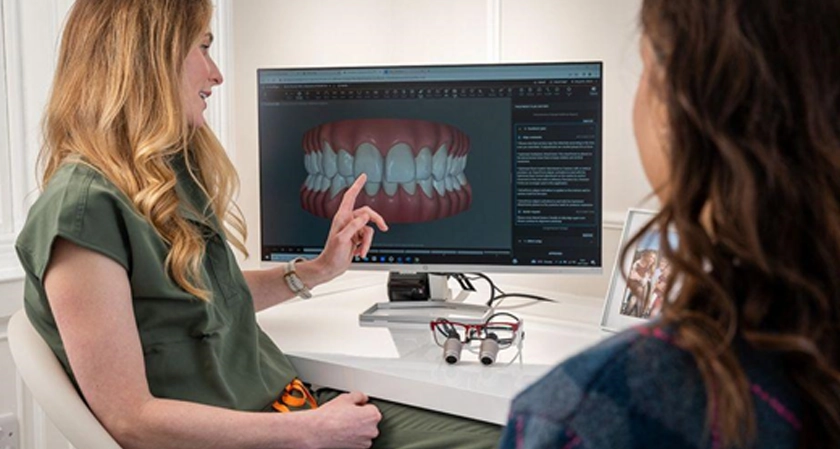
An intraoral scanner now maps the teeth in minutes, producing a precise 3D model on screen. That model drives everything that follows: diagnosis, treatment planning, and the appliances themselves. The same wave of digital tools that reshaped other industries arrived in the dental office a little later, but just as completely.
Planning changed too. Software can now simulate how teeth will move over the full course of treatment, so both the orthodontist and the patient see the likely outcome before anything starts. That preview was simply impossible a generation ago.
How Do Clear Aligners Actually Work?
They move teeth in small, programmed steps. Instead of one fixed appliance adjusted by hand, a series of custom trays each shift the teeth a fraction closer to the target.
The sequence comes straight from the digital plan. A 3D model is split into stages, and each aligner represents one stage, worn for a week or two before the next. Aligners and braces each suit different cases, a distinction set out in the American Association of Orthodontists' guide to treatment options.
Manufacturing is where it gets futuristic. The trays are produced with 3D printing and automated cutting, turning a screen model into a physical product with very little human handling. It is closer to a factory line than a craft bench. A single case can involve 20 to 40 trays, each one printed to a tolerance a human hand could never match.
Which Tech Makes Treatment Faster?
Several advances stack up to shorten and smooth the process. The main ones:
- Intraoral scanners, which replace molds with a fast, accurate 3D capture.
- Treatment simulation software, which maps every stage in advance.
- 3D printing, which produces aligners and models on site or nearby.
- Remote monitoring apps, which let patients send progress photos between visits.
- AI-assisted planning, which flags issues and refines tooth-movement paths.
Together these cut chair time, reduce surprises, and let many patients visit less often. The technology does not replace the orthodontist's judgment, it sharpens it. Like any field adopting new technology, the winners are the ones who pair the tools with real expertise.
The patient experience improves in small but real ways. Fewer messy molds, fewer emergency visits for broken brackets, and a clear preview of the end result. Remote check-ins mean a busy adult can often go 8 to 10 weeks between appointments. For teens and parents juggling school runs, that convenience is not a minor detail.
Does the Technology Change How You Choose a Provider?
It does, because the tools are only as good as the practice using them. The table below shows what to look for.
|
Look For |
Why It Matters |
|
Digital scanning |
More accurate, more comfortable than molds |
|
Treatment simulation |
You see the plan before committing |
|
Experienced clinician |
Tech supports judgment, it does not replace it |
|
Options for all ages |
Children, teens, and adults need different approaches |
|
Clear pricing and timeline |
Technology should bring transparency, not mystery |
A practice that pairs modern tools with a skilled orthodontist gives you both precision and a safe pair of hands. The American Dental Association's consumer guide to orthodontics is a sound starting point before any consultation.
What to Take Away
- Orthodontics has shifted from physical molds to a digital, software-driven workflow.
- Clear aligners move teeth in small stages mapped out in advance.
- Scanning, simulation, 3D printing, and AI together speed up treatment.
- The technology supports the orthodontist's judgment rather than replacing it.
- When choosing a provider, look for modern tools and real experience.
The Quiet Digital Revolution In Your Mouth
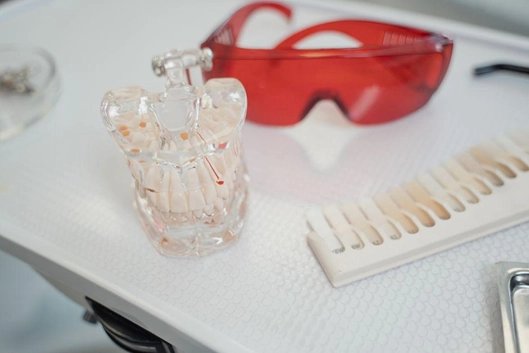
Few people think of the orthodontist as a high-tech field, yet it has digitized faster than most of healthcare. Scans, simulations, and printed aligners now do work that once relied on guesswork and patience. For patients, that means more comfort, more predictability, and a clearer view of where their smile is headed.
Frequently Asked Questions
Are Clear Aligners as Effective as Braces?
For many cases, yes. Clear aligners treat a wide range of alignment and bite issues, especially mild to moderate ones. Complex cases can still call for braces. The right choice depends on your specific needs, which is why a proper assessment matters more than the marketing.
Does Digital Scanning Replace the Orthodontist?
No. Scanning and software handle the measurement and planning, but a trained orthodontist interprets the results and directs treatment. The technology improves accuracy and communication. It does not make the clinical decisions, which still rely on professional judgment and experience. Think of the software as a very precise assistant, not the person in charge of your care.
Is Treatment Faster With Modern Technology?
Often, though it varies by case. Digital planning, better-fitting appliances, and remote monitoring can reduce chair time and the number of in-office visits. Total treatment length still depends on the complexity of the case, but the process tends to be smoother and more predictable than it used to be.
Can Adults Benefit From These Advances?
Absolutely. Much of the growth in orthodontics has come from adults, and discreet clear aligners are a big reason. Many adults who avoided metal braces as teenagers now opt for near-invisible treatment they can manage around work. Modern providers treat children, teens, and adults alike, tailoring the approach to each stage of life rather than offering a single one-size solution.