>>
Industry>>
Environmental sustainability>>
The ROI of Energy-Efficient Ro...The ROI of Energy-Efficient Roof Maintenance in 2026
The Silicon Review
17 June, 2026
Author:
Guest
Roof care can be a huge expense, but the right approach changes the equation. Upgrading to energy-saving solutions turns routine upkeep into a profitable investment strategy.
Property owners find that modern roof care slashes utility bills and extends system lifespans. Let’s break down the exact return on investment you can expect from smart roof care this year. Proactive management preserves capital and stabilizes operational budgets.
The Financial Shift in Property Maintenance
Property owners must look at every part of their building to cut operational waste. Reliable professionals like Omega Roofing can identify hidden flaws before they drain your budget. A well-maintained roof protects the physical structure and stabilizes indoor temperatures throughout the seasons.
Traditional maintenance focused only on fixing leaks after they occurred. Modern strategies prioritize preventive care that stops thermal loss before it begins. Investing early saves over $5,000 on emergency repairs.
Budgeting for commercial care means looking at long-term performance metrics. Minor issues left unaddressed turn into catastrophic failures that disrupt daily operations. Regular assessments keep small problems manageable and predictable.
Maximizing ROI Through Reflective Coatings
Cool roofs reflect sunlight and lower yearly energy costs by 10% to 15%. These savings accumulate fast, so that the initial upgrade pays for itself within a few seasons. Applying protective layers prevents solar radiation from degrading the underlying materials.
Added protection extends the operational lifespan of the entire setup. Regular maintenance keeps the reflective properties working at peak performance for years. Property owners see a reduction in waste as systems last longer with no need for complete tear-offs.
Climate Adaptability and Cooling Expenses
The geographic location of a building does not limit these financial perks. The United States Department of Energy confirmed that cool roofs slash cooling costs by up to 15% in warm regions, with properties in colder zones experiencing long-term economic gains too. Lower temperature spikes mean more predictable monthly utility tracking.
Reducing the strain on cooling hardware prevents premature equipment failure. Facilities cut down on expensive HVAC maintenance visits by maintaining stable roof temperatures. Consistent thermal management protects indoor assets from extreme shifts.
Structural Evolution of Built-Up Systems
Older commercial structures benefit from modern material upgrades during routine resurfacing. Modern built-up roofing membrane systems can use reflective surfaced cap sheets to slash heat absorption by up to 30% compared to traditional dark surfaces. Less heat entering the building means lower utility bills during peak summer months.
Thick layers of traditional bitumen trap heat inside the building envelope. Replacing or coating these areas with modern reflective membranes alters how the entire structure handles solar energy. Property managers notice immediate drops in daytime cooling demands after installation. Reduced heat transfer prevents the building materials from expanding and contracting too violently.
Innovation Scales in Modern Production
Roofing manufacturing saw a massive wave of sustainable innovation last year. In 2025, 284 new sustainability-driven roofing products. Industrial field options provide excellent defense against intense sun exposure.
Engineers develop these advanced formulas to resist ultraviolet degradation and weather damage. Having access to a broader selection of durable materials helps managers match products to specific climate demands. Better materials mean fewer replacement cycles over the life of the property.
Real Estate Valuation and Premium Growth
Properties featuring well-maintained, energy-efficient upgrades secure a price premium of 2% to 8% during a sale. Buyers look for buildings with documented low operating costs to secure better margins. High efficiency scores make a building stand out.
Documented maintenance records prove to future investors that the structure received excellent care. Investing in green upgrades builds immediate equity into the asset. Modern buyers prioritize sustainability features to lock in future cost savings.
Renewable Integration and Solar Readiness
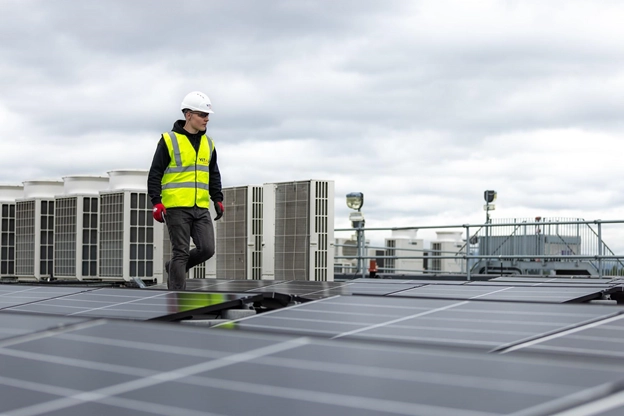
Renewable energy integration is reshaping how commercial spaces operate. A commercial market study reported that roofing firms are expanding their market share in the renewable energy sector by providing solar-ready roofs. Preparing a roof deck for solar panels during regular maintenance avoids expensive retrofitting later.
Planning a clean energy transition requires a clear list of project goals:
- Evaluating current insulation depth to maximize heat retention
- Clearing debris from reflective surfaces to keep sun rejection high
- Checking structural weight limits before adding heavy equipment panels
- Applying durable coatings to protect the base layers from physical wear
Investing in energy-saving roof upkeep provides a clear path to lower overhead and higher asset value. Property managers who stay ahead of maintenance trends protect their operations from rising energy costs and unpredictable weather patterns. Take action now to secure a competitive edge for your property throughout the year.
Smart upgrades pay dividends across multiple operational areas, from utility bills to insurance policy discounts. The numbers show that proactive care pays for itself.



















Comments